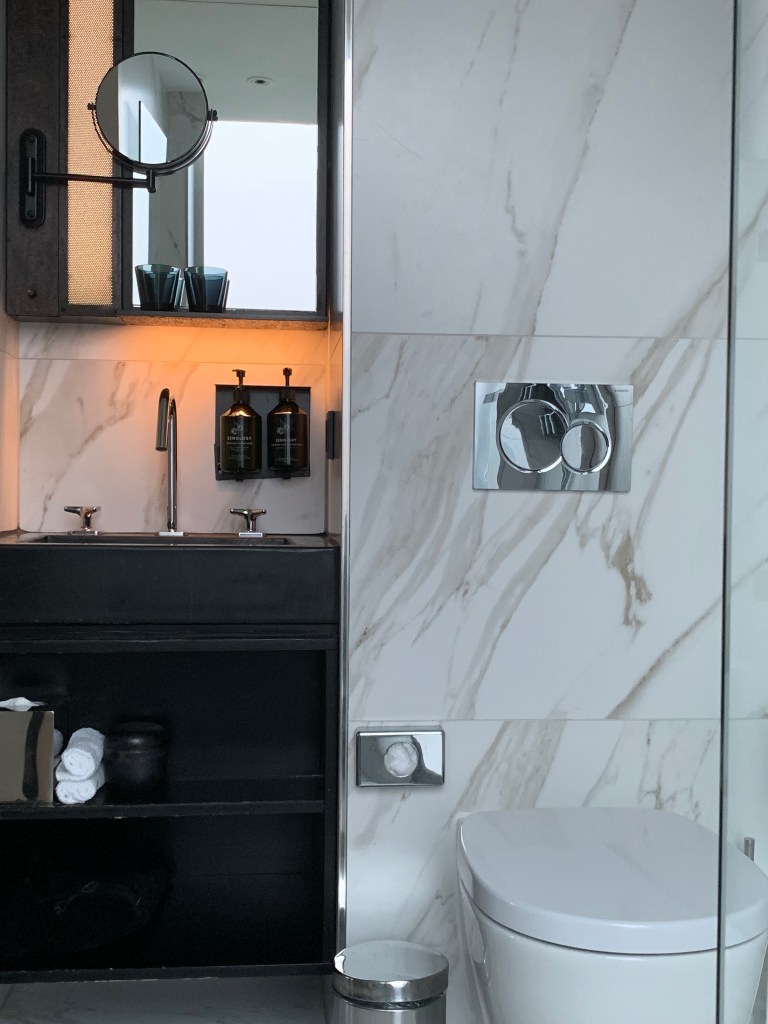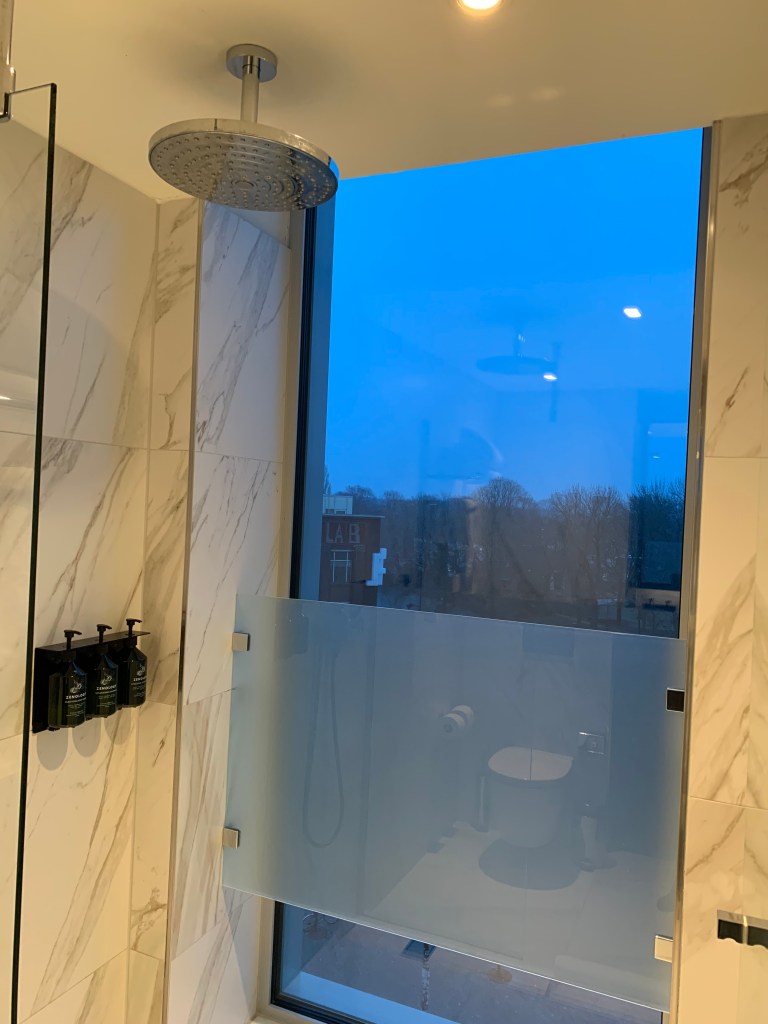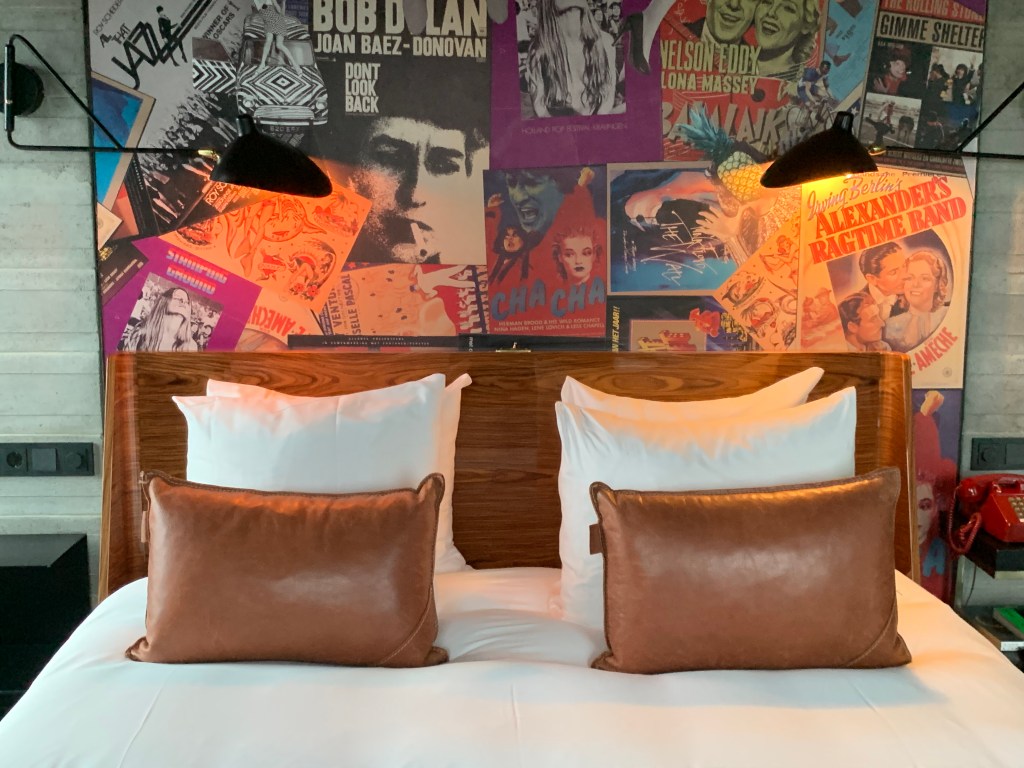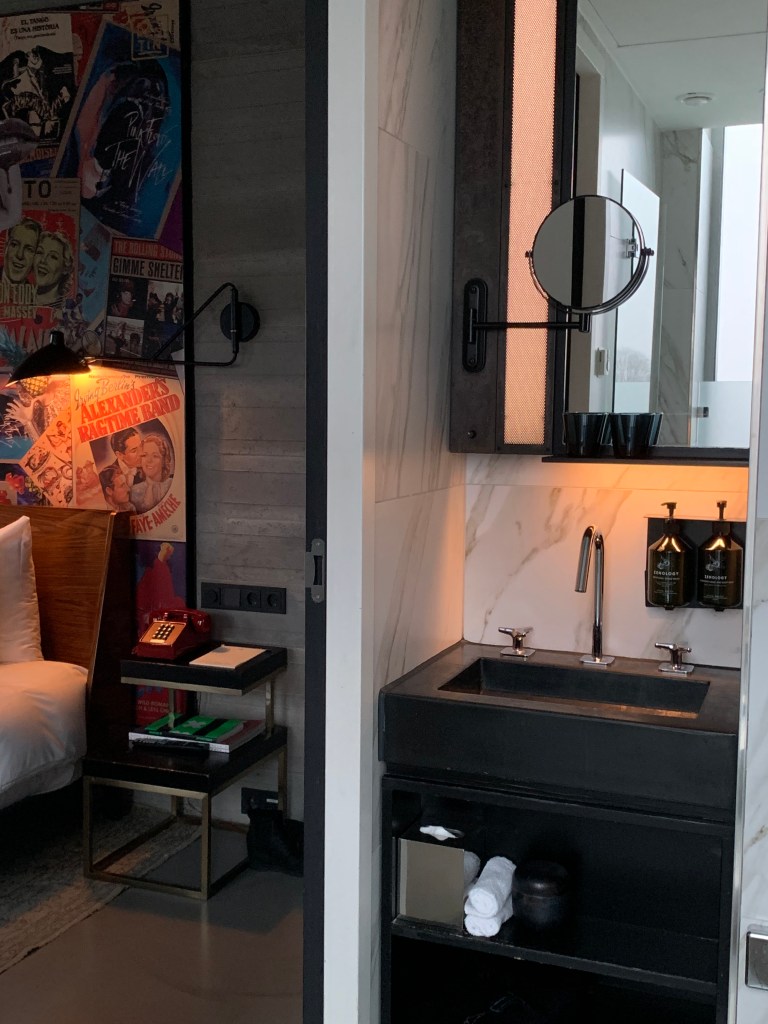
Marylebone, London, UK ~ The Langham

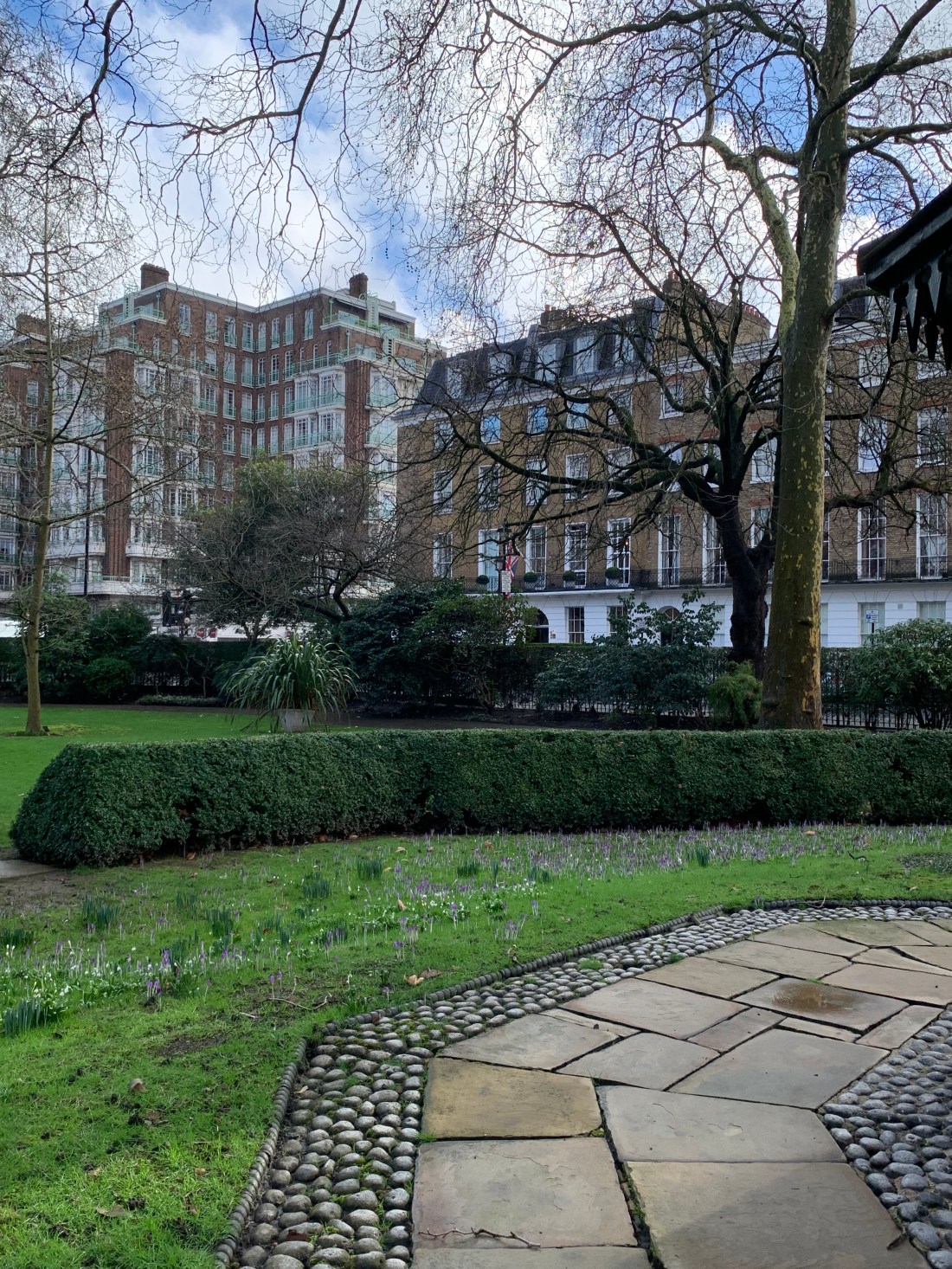
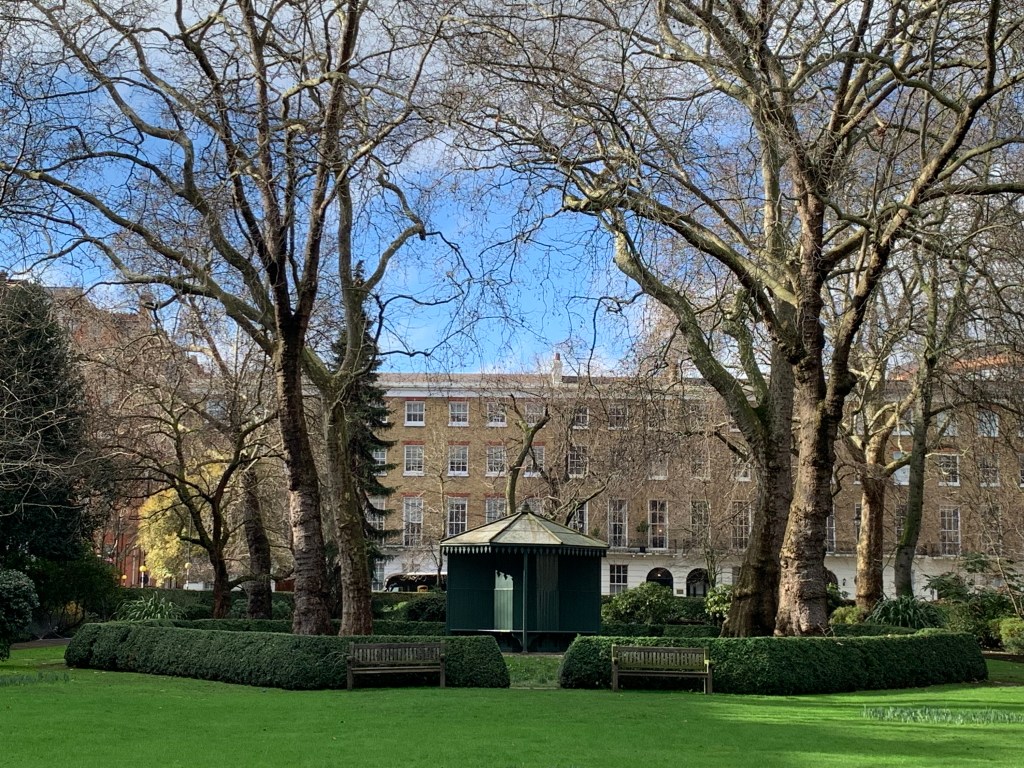
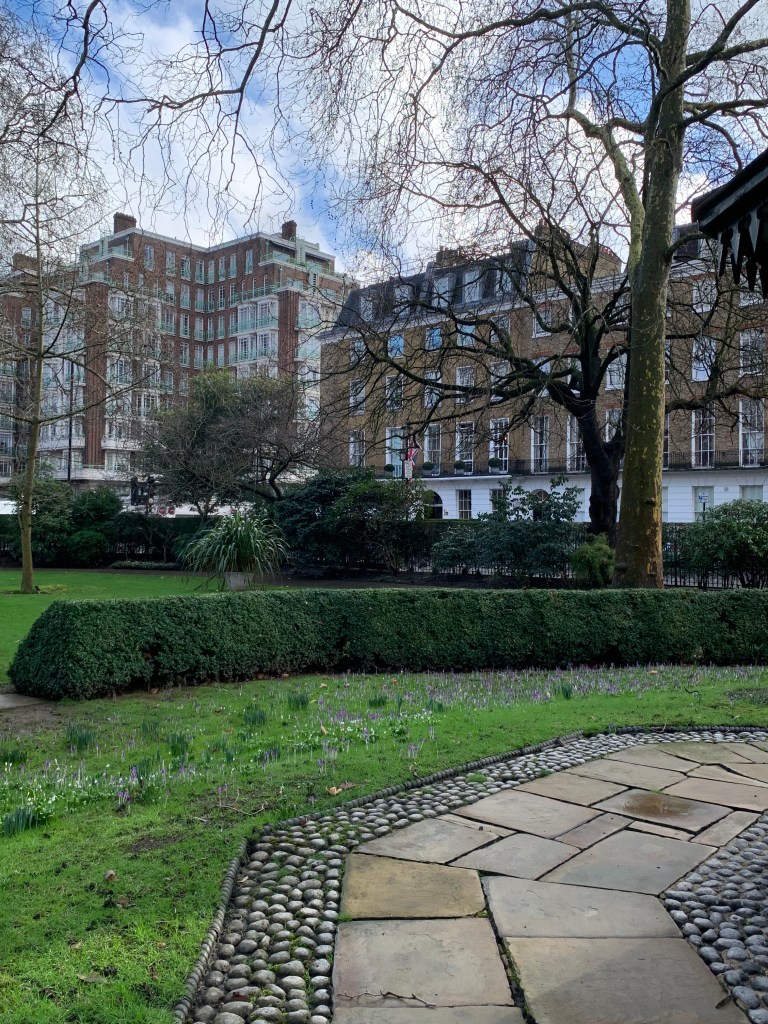
For a stretch of about 15 years, we visited London regularly, and we loved trying hotels in neighborhoods across the city. But our last visit was in 2018, and we had a lot of catching up to do. We know Kensington and Chelsea well and were tempted to return to a new hotel on familiar grounds (The Chelsea Townhouse was top of the list). We also, however, love Marylebone, which is near The Regent’s Park and close to so many of the things we love in the city.

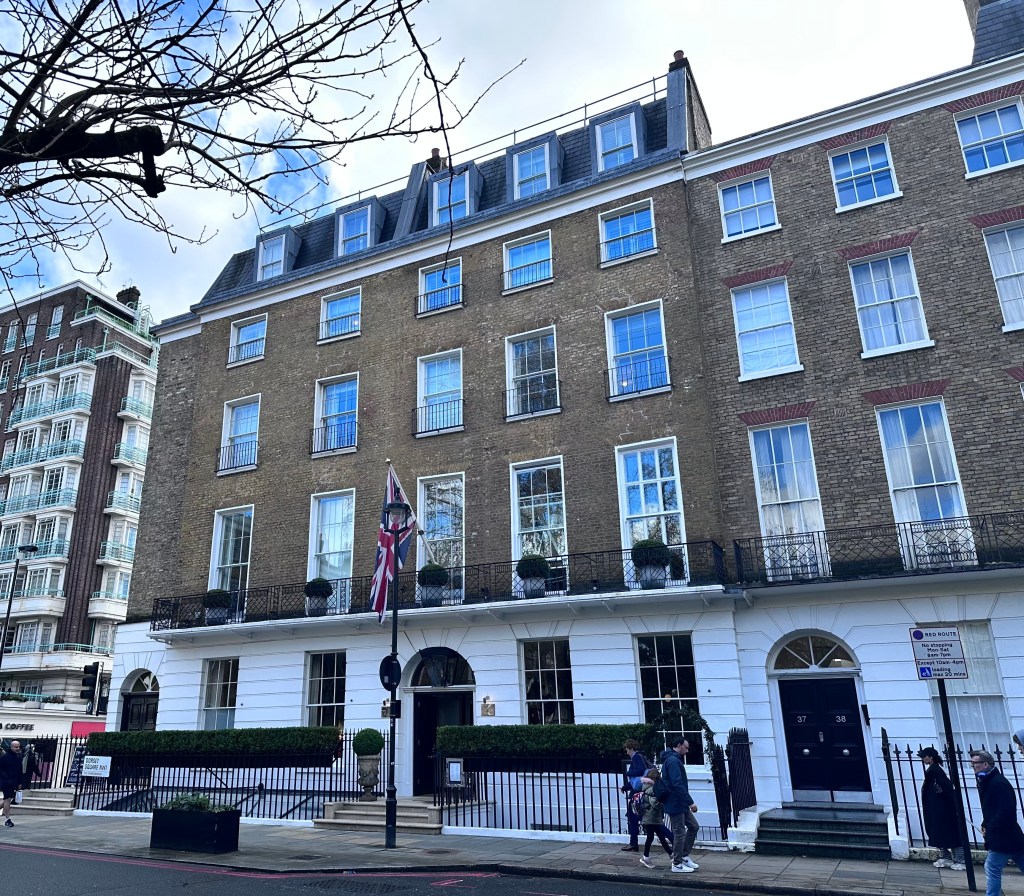
In the very southeast corner of Marylebone, right across the street from the BBC’s Broadcasting House, sits one of London’s first luxury hotels: The Langham. After our terrific experience at The Langham Chicago, we decided to test the Langham brand, booking eight nights at the property where it all began: The Langham London.


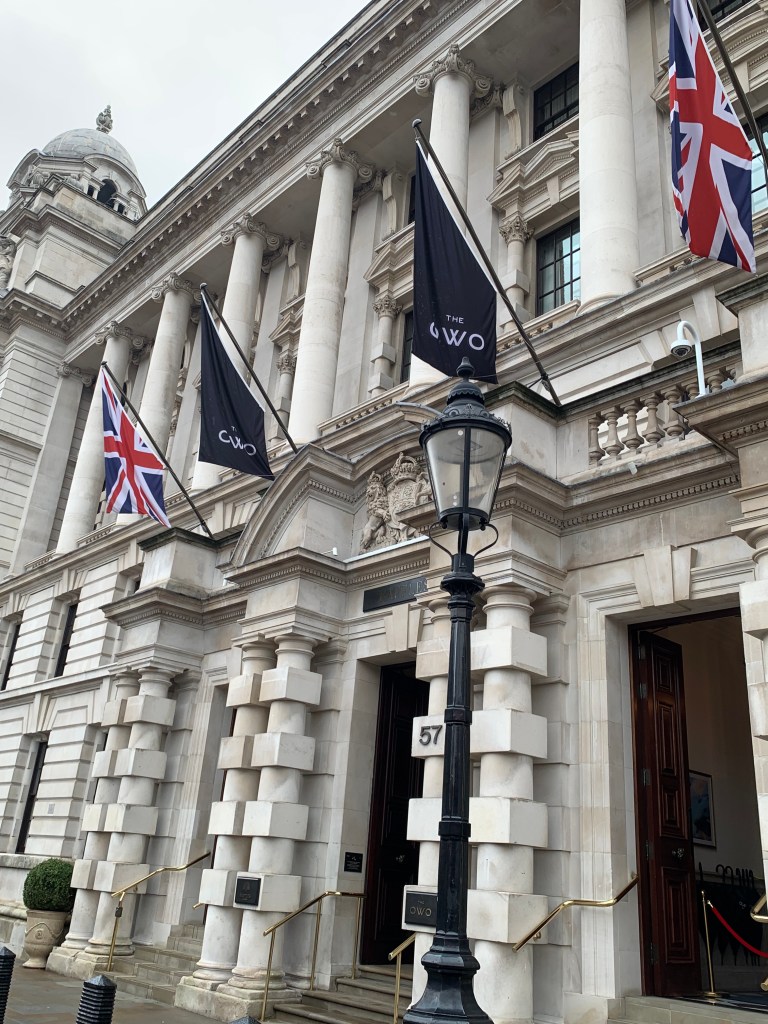
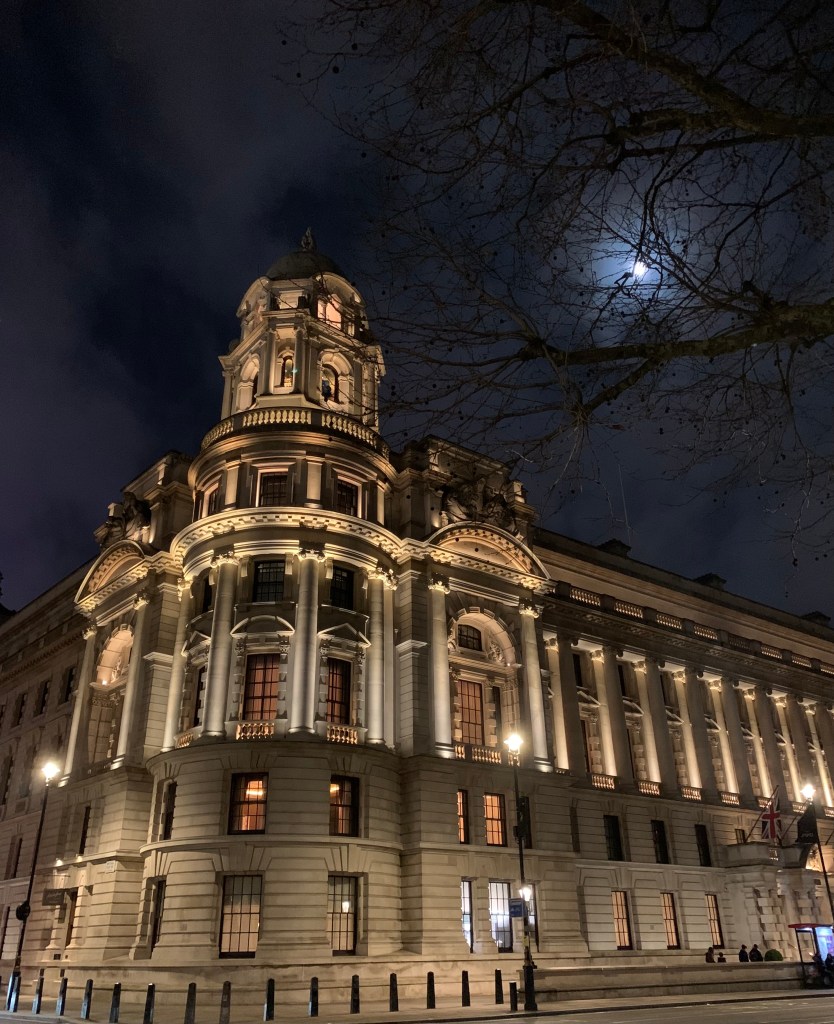
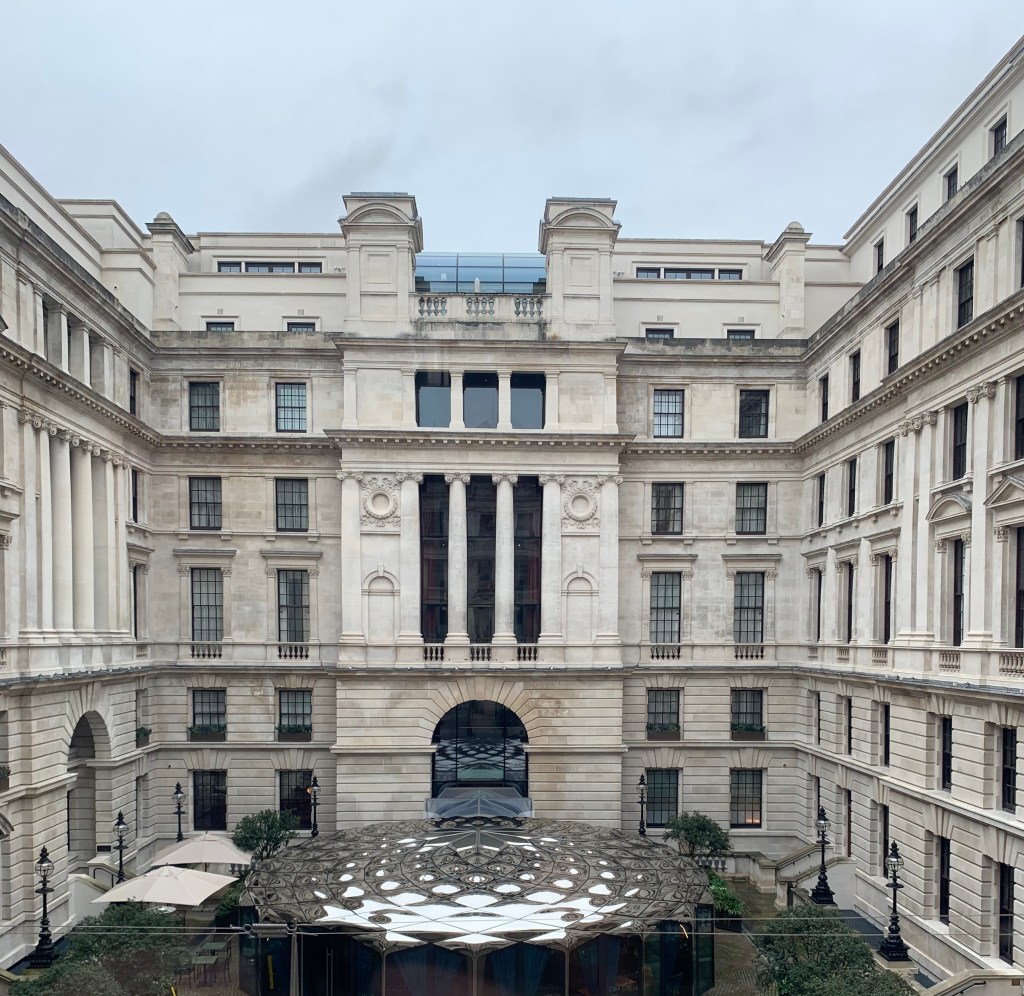
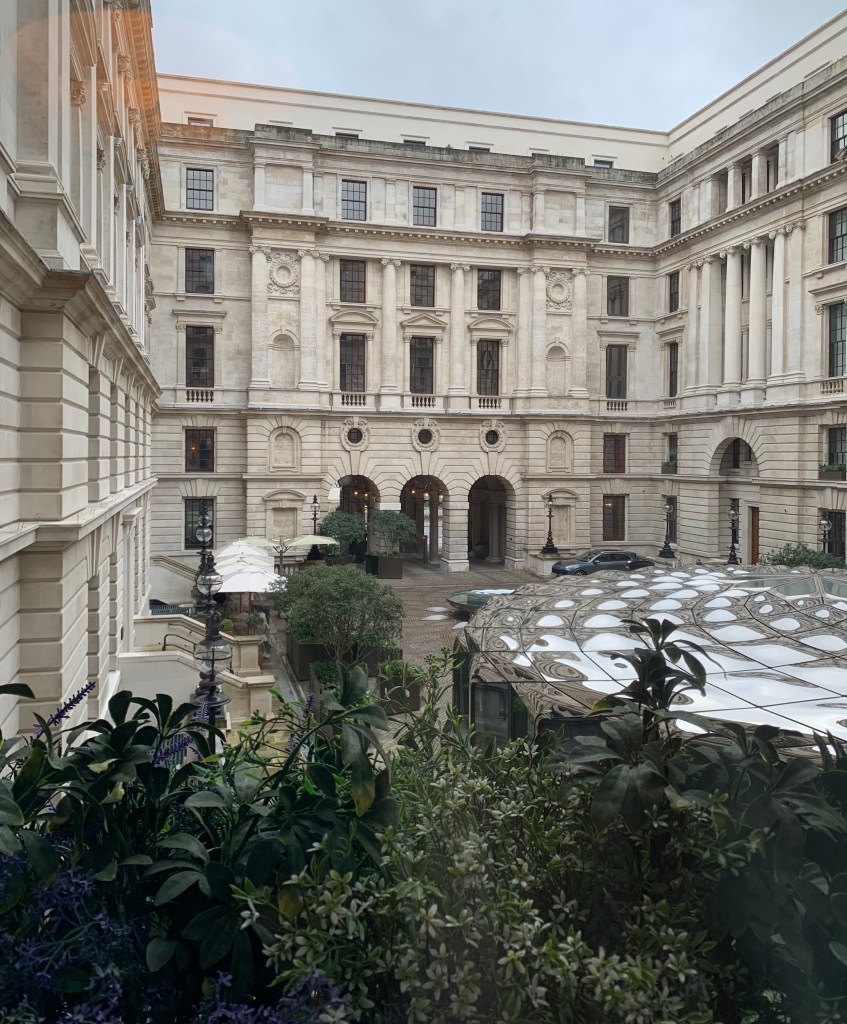
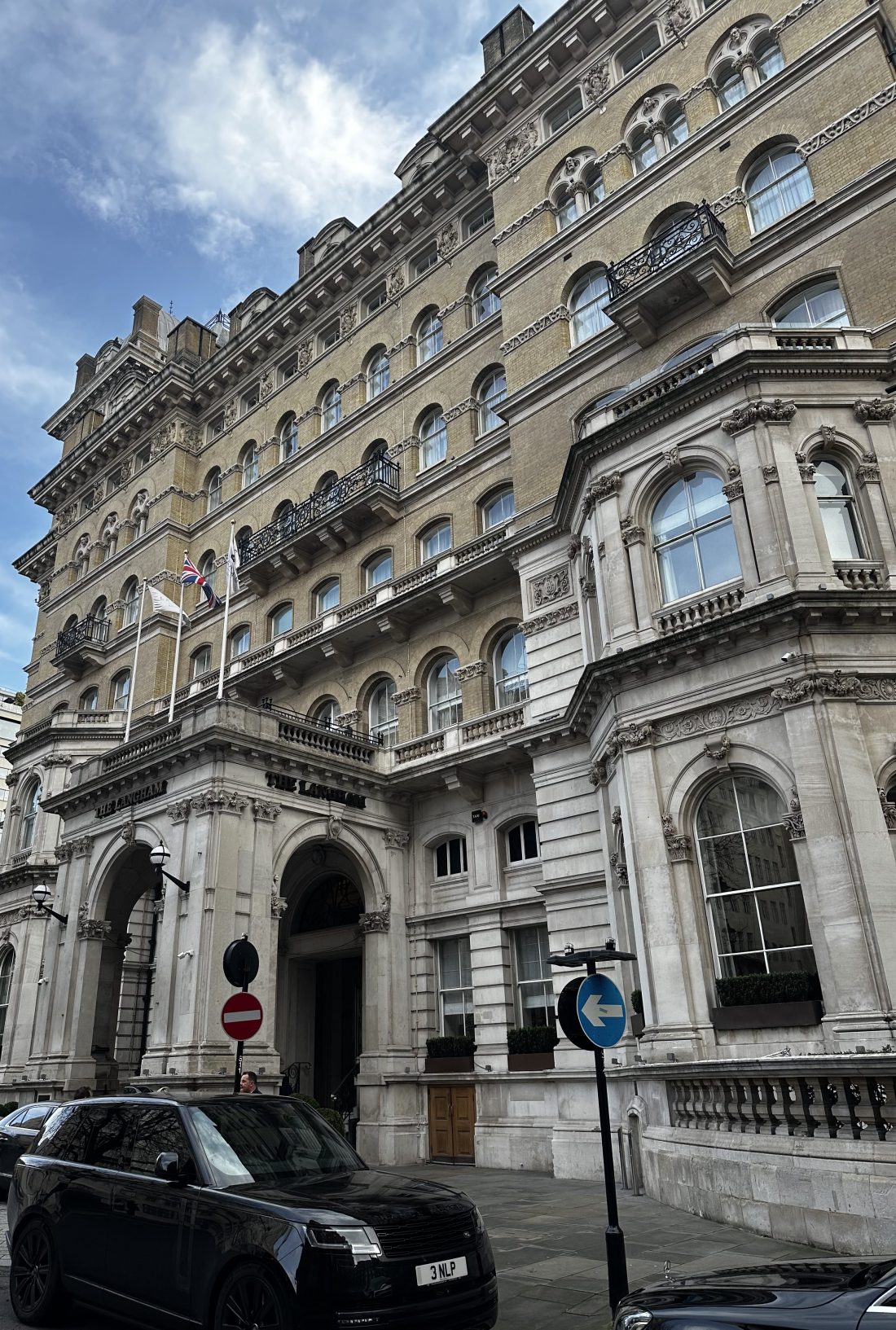
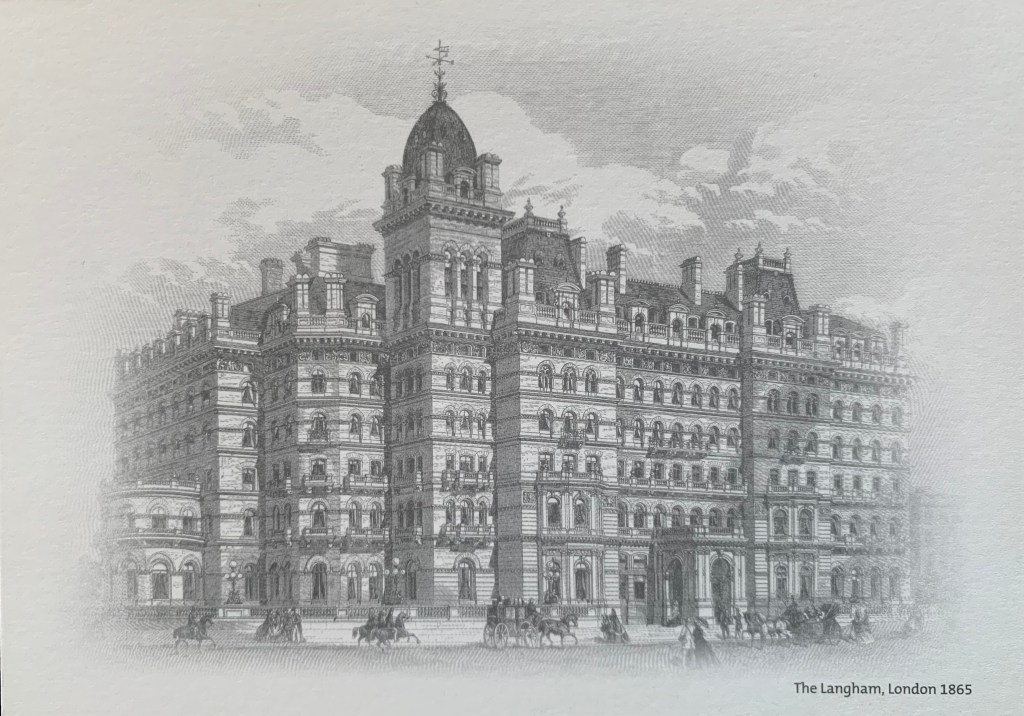
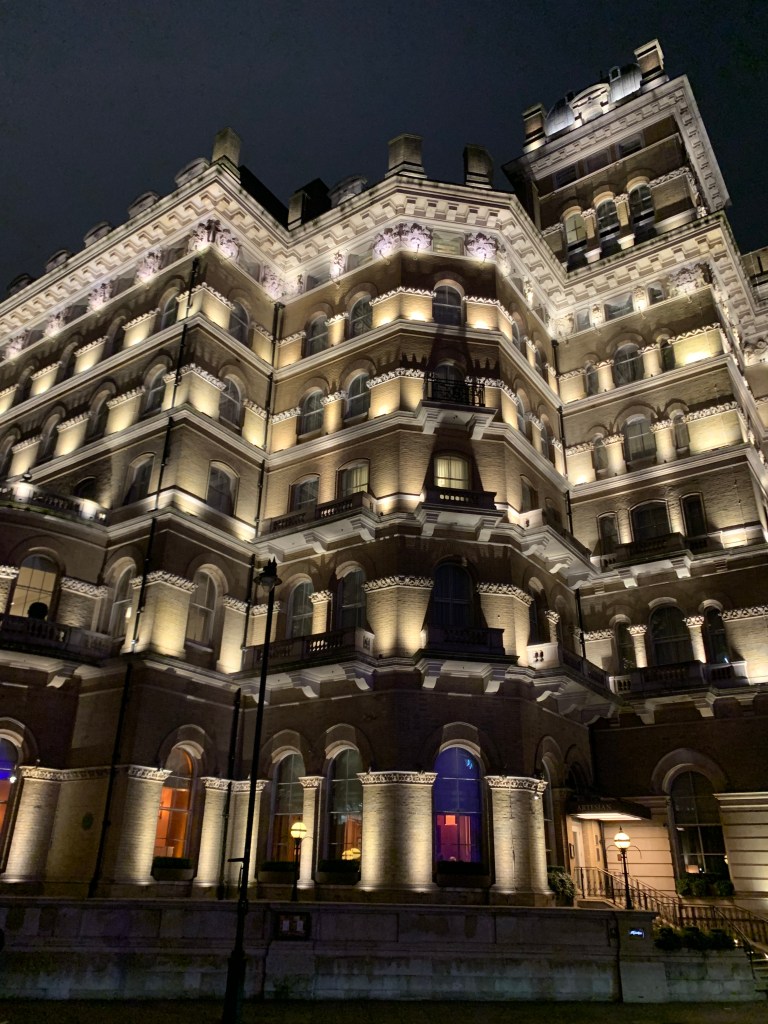
We arrived at Heathrow just after 7 in the morning, and our taxi was pulling up to The Langham by 8:15. The building is described by British Listed Buildings as “heavy Italianate style with some late Medieval details, French pavilion roofs and an east wing with a corner tower.” Put simply, it’s a building to behold – certainly at 8 in the morning, but, as we would later learn, even more beautiful at night.

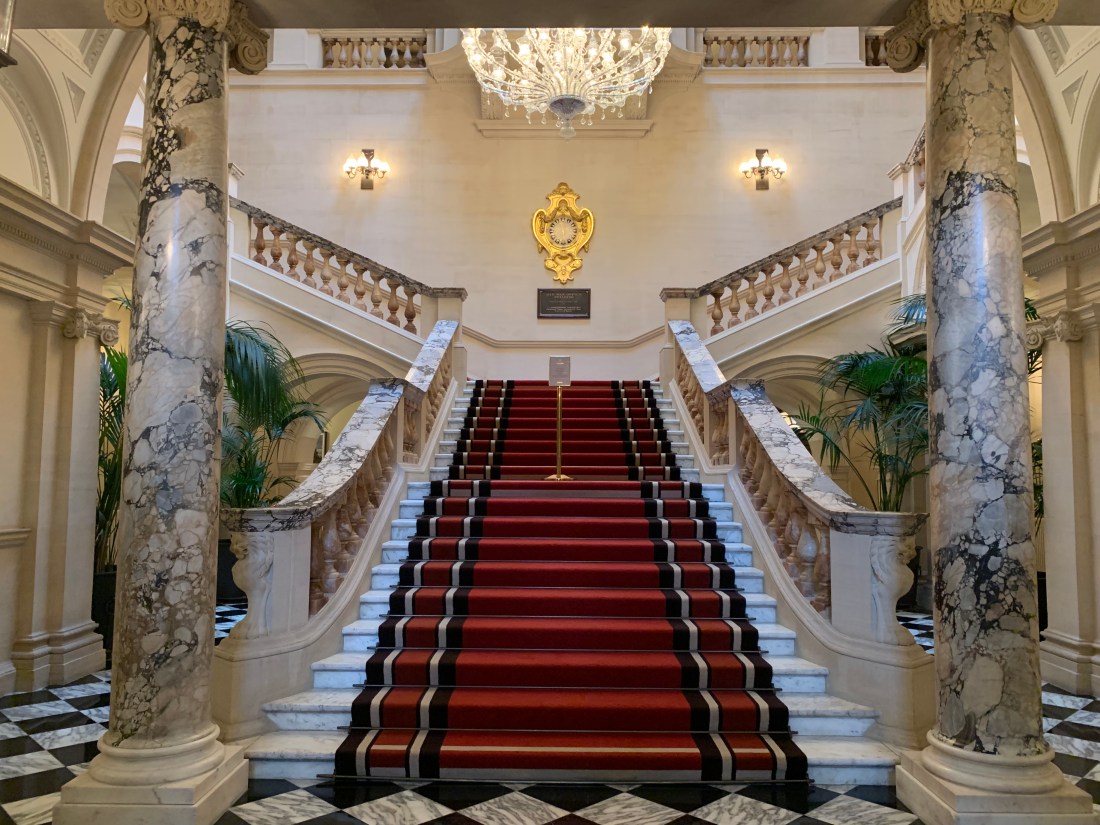
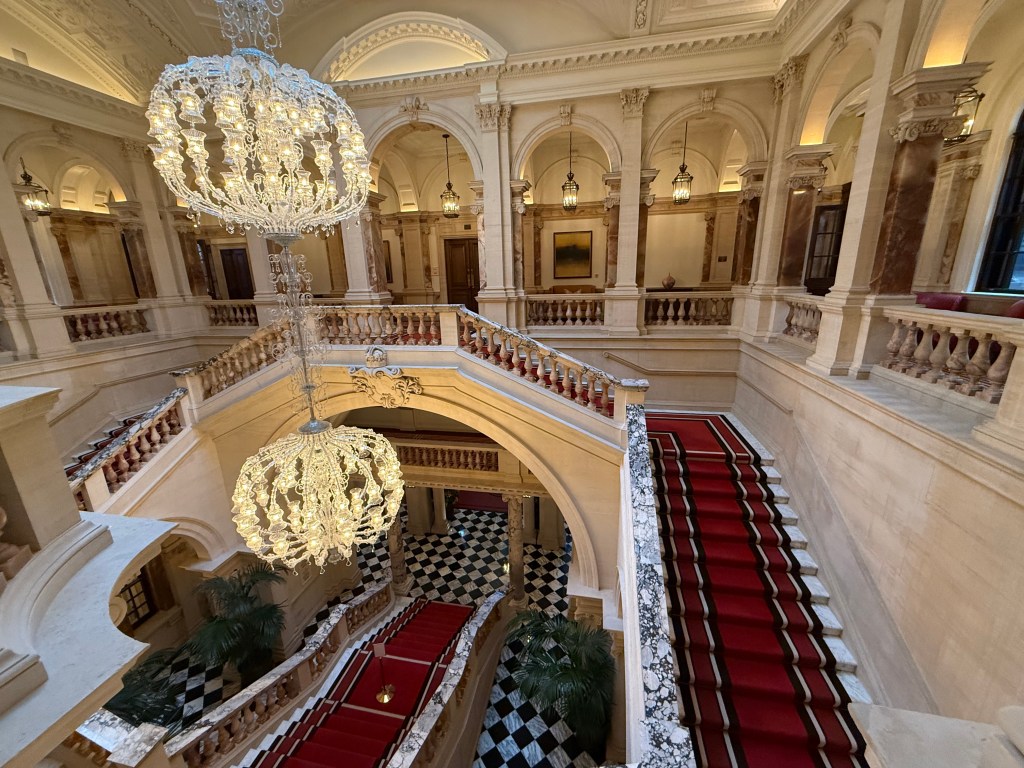
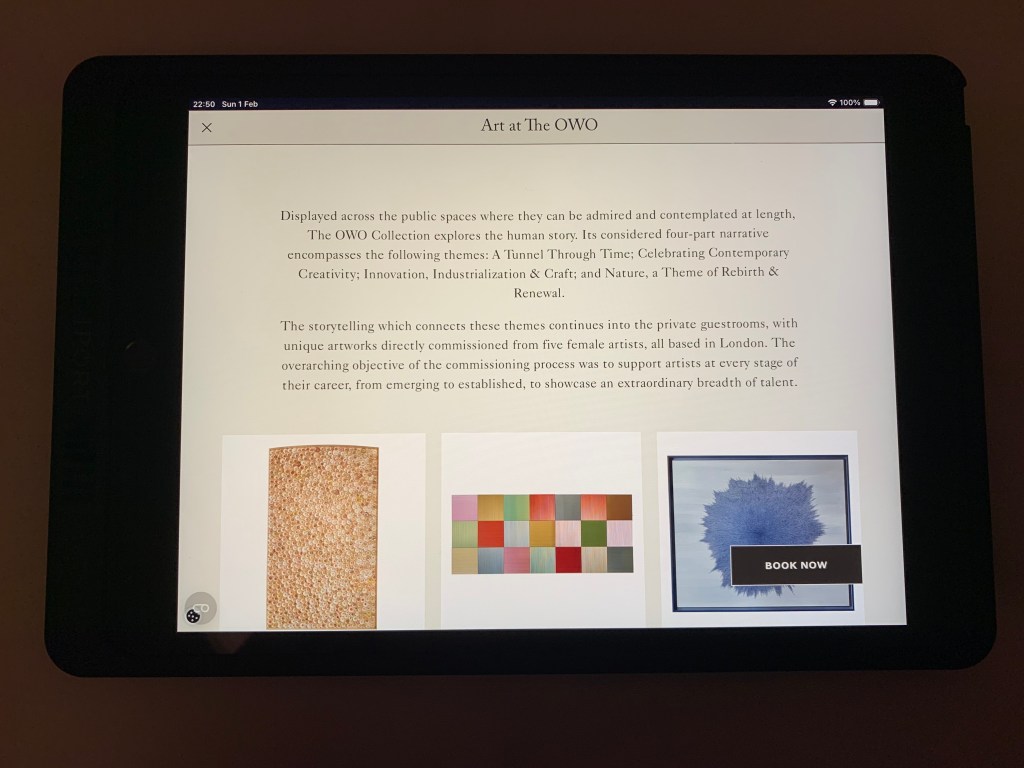
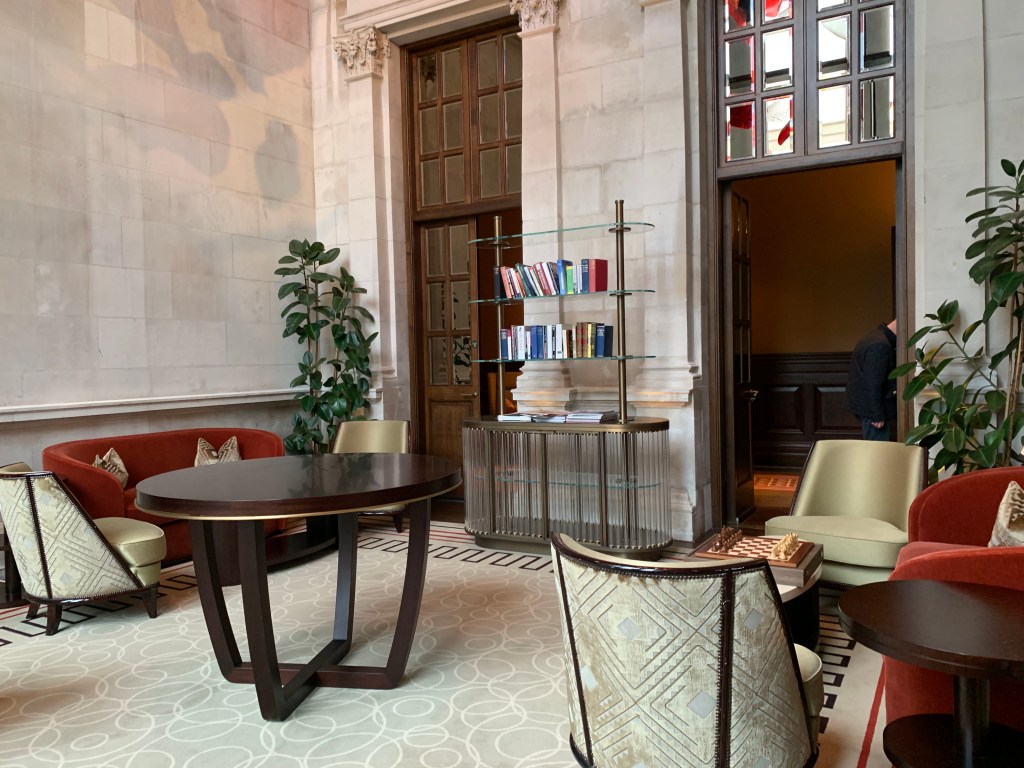
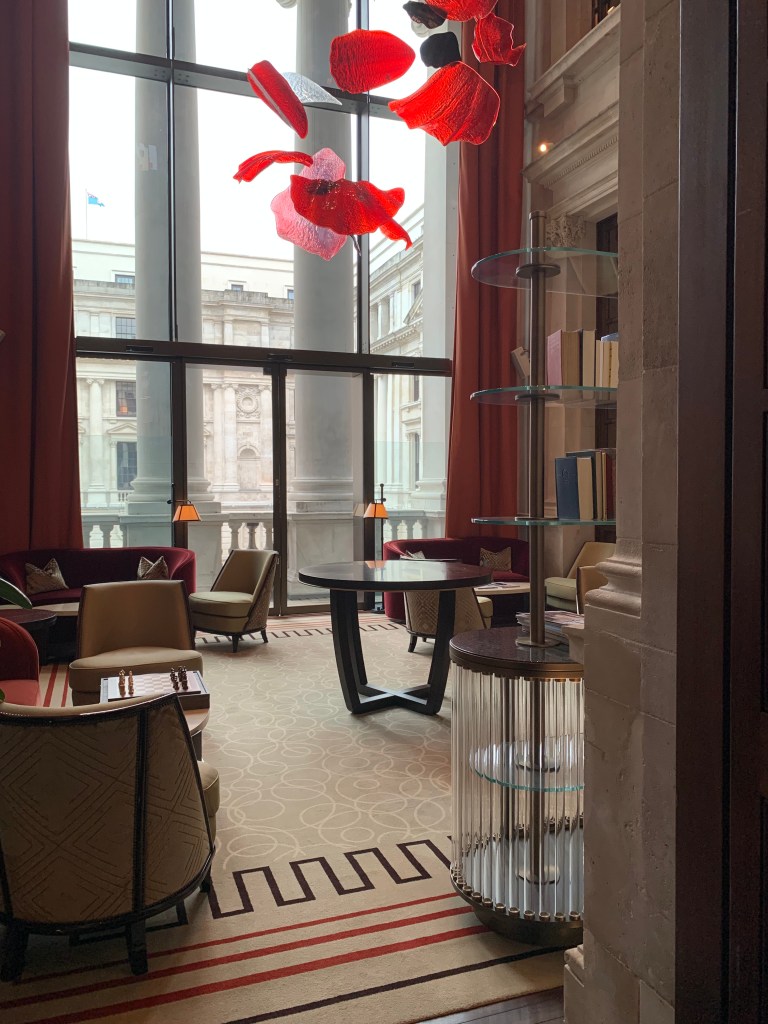
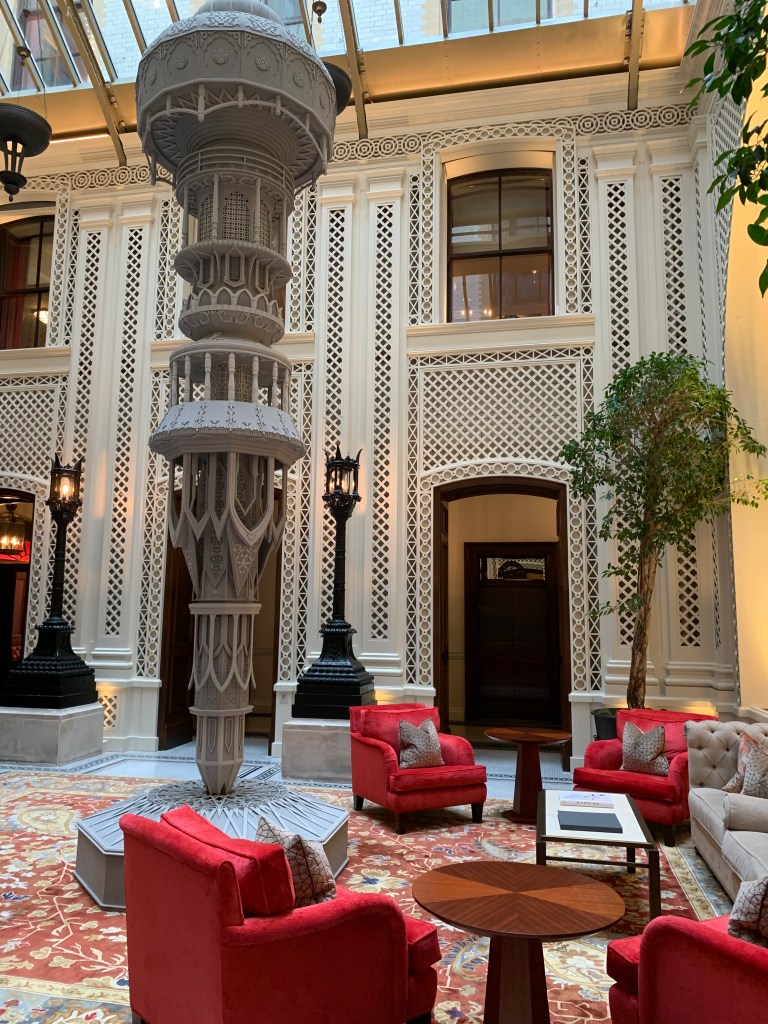
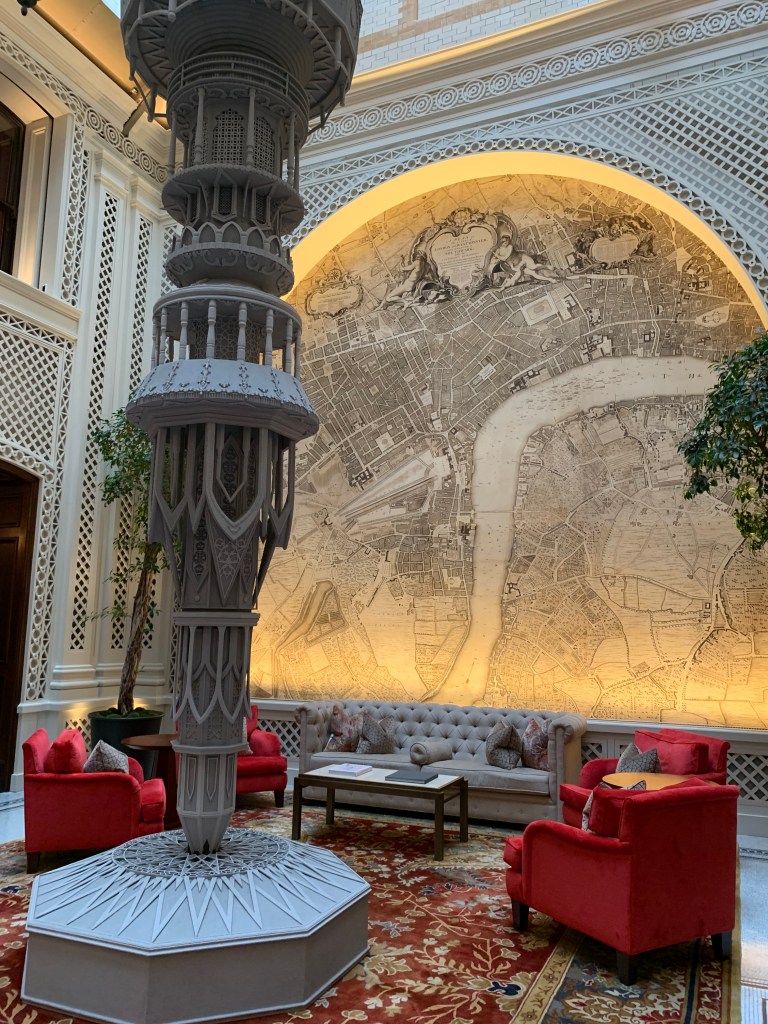
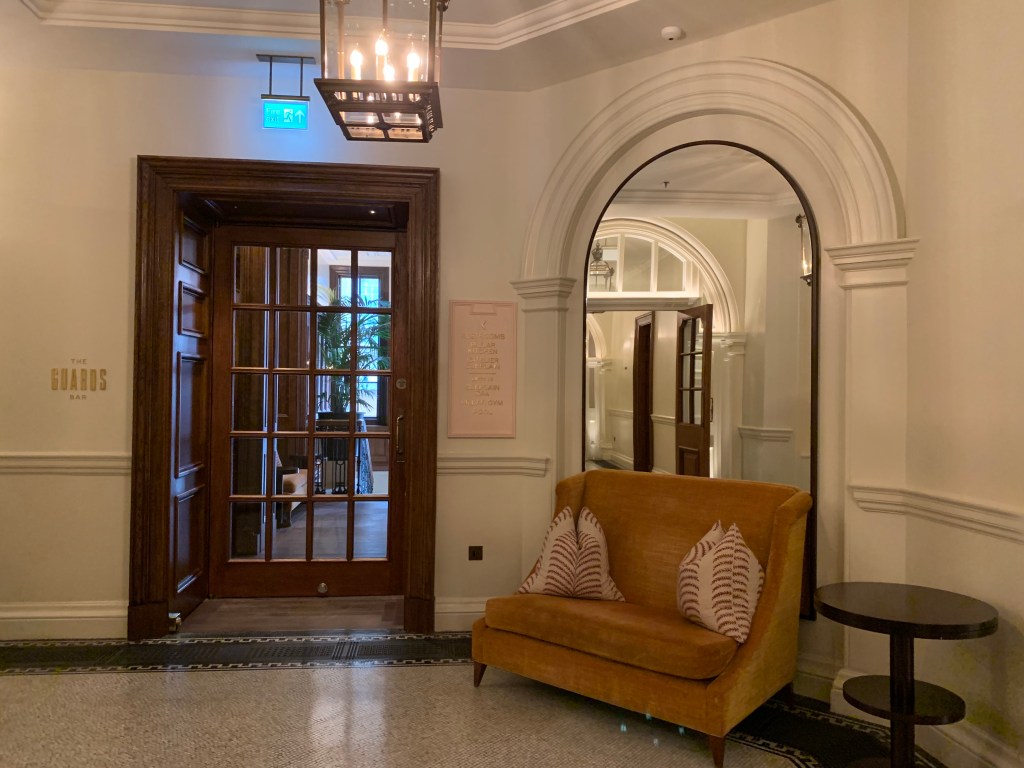
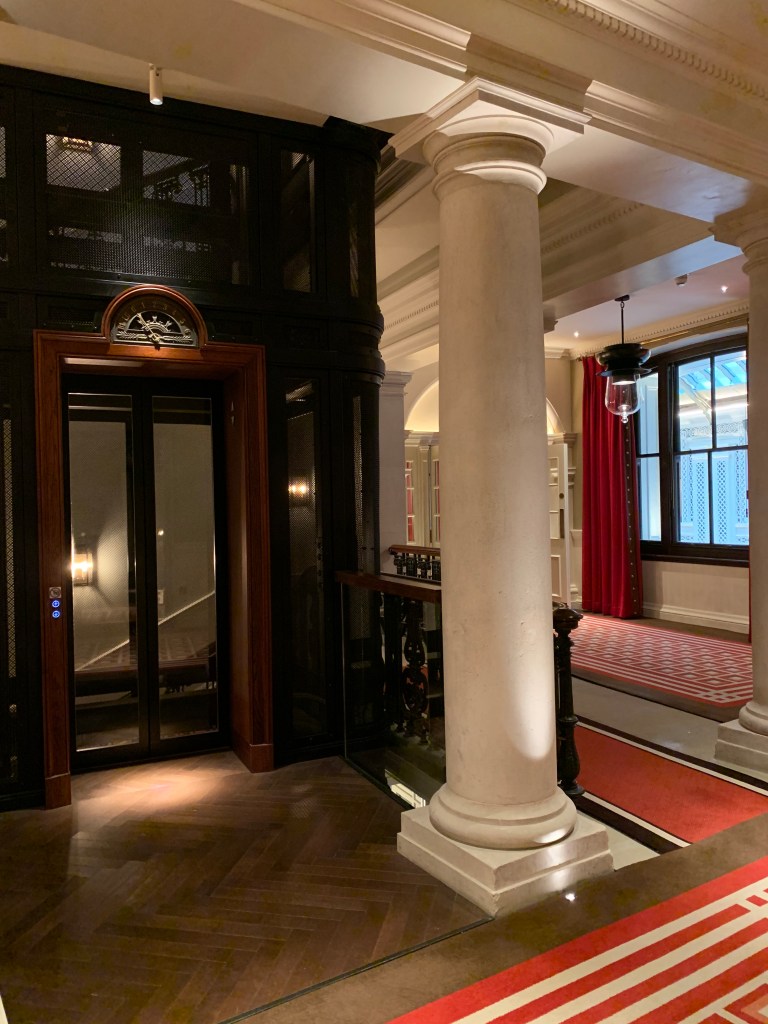
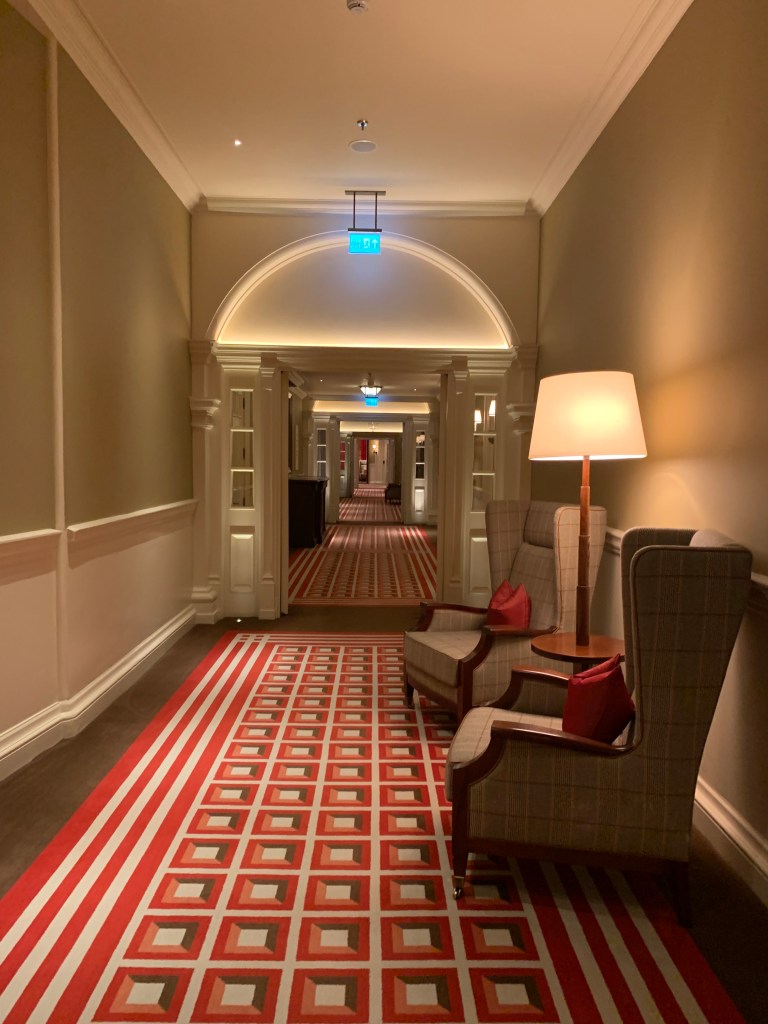
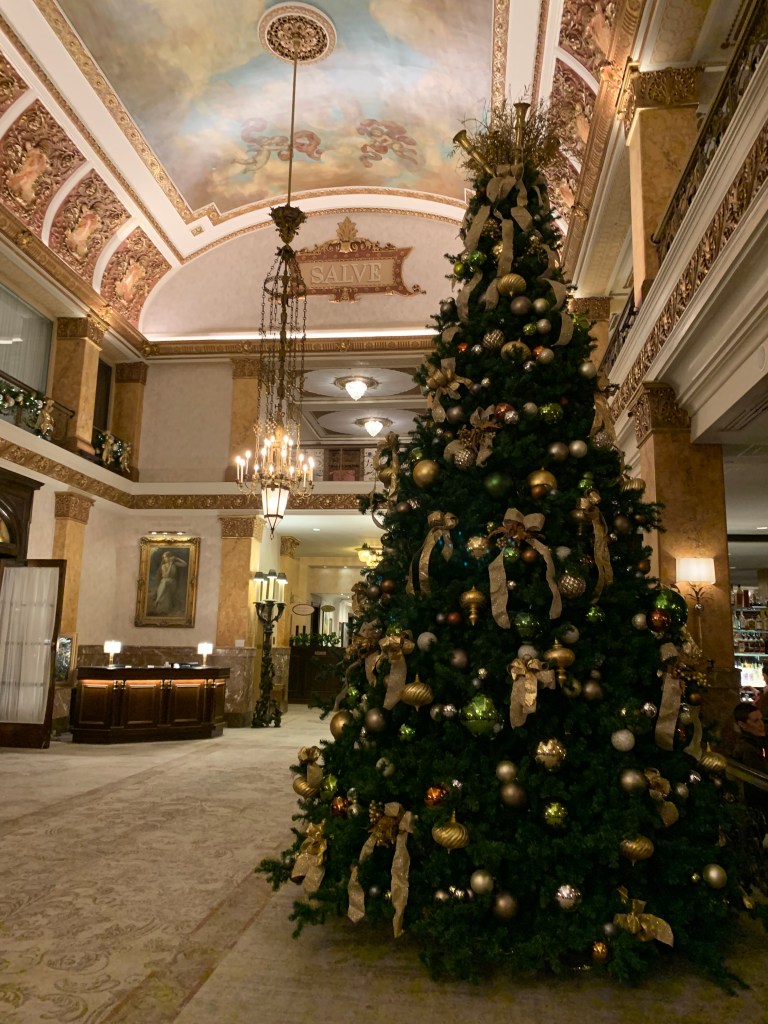
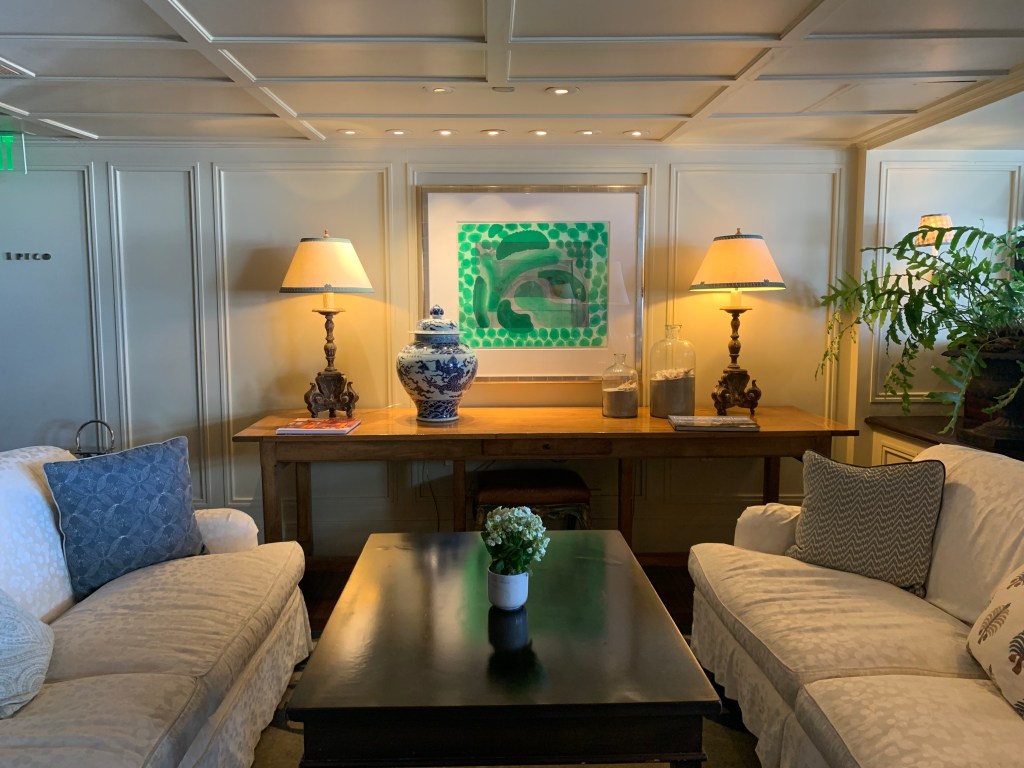
The hotel’s interior is no less dramatic. The central lobby with shining marble floors and pillars supporting a tall ceiling is surrounded by a more intimate seating area with a fireplace; a room off to the side with a fabulous chandelier that houses the registration desk; and the Palm Court restaurant, which is reportedly where the tradition of British afternoon tea began. Because we arrived so early, our room wasn’t ready, but the staff member at reception got us checked in and then escorted us up to The Langham Club where we were invited to have a cappuccino and linger until our room was ready. We knew if we sat too long, jet lag would be the demise of our day, so after getting properly caffeinated, we headed out for a walk. On our way back out of the hotel – and feeling slightly less foggy – we took note of other beautiful common spaces, including the landings on each floor, each of which had artwork worth spending a little time with.


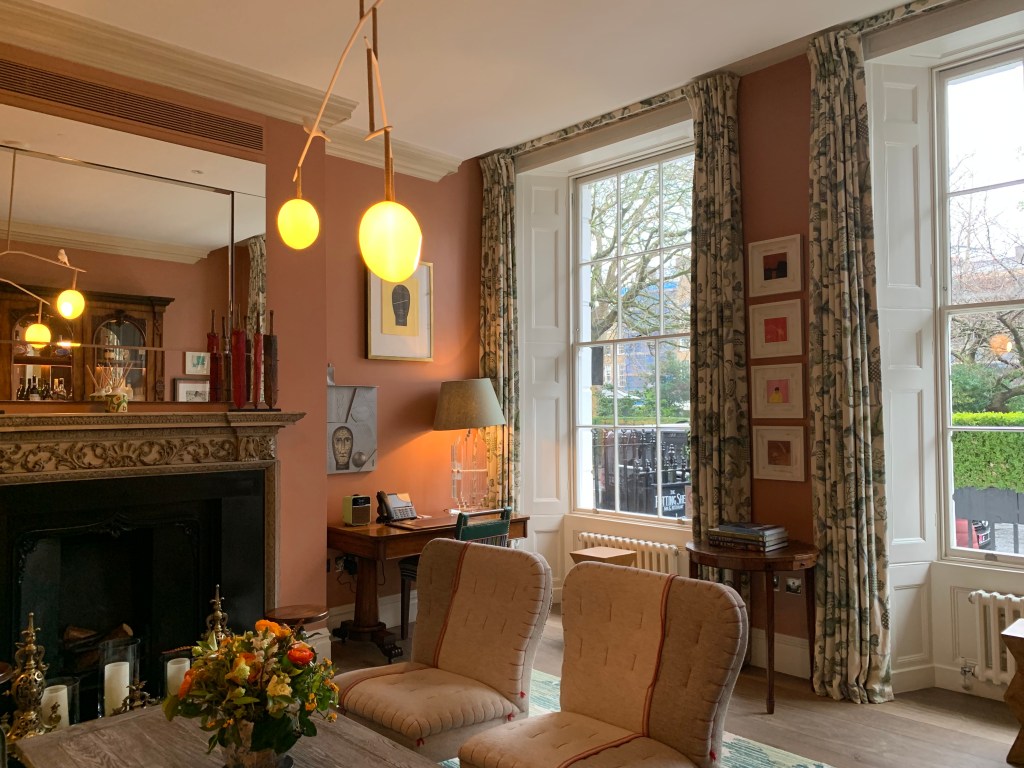
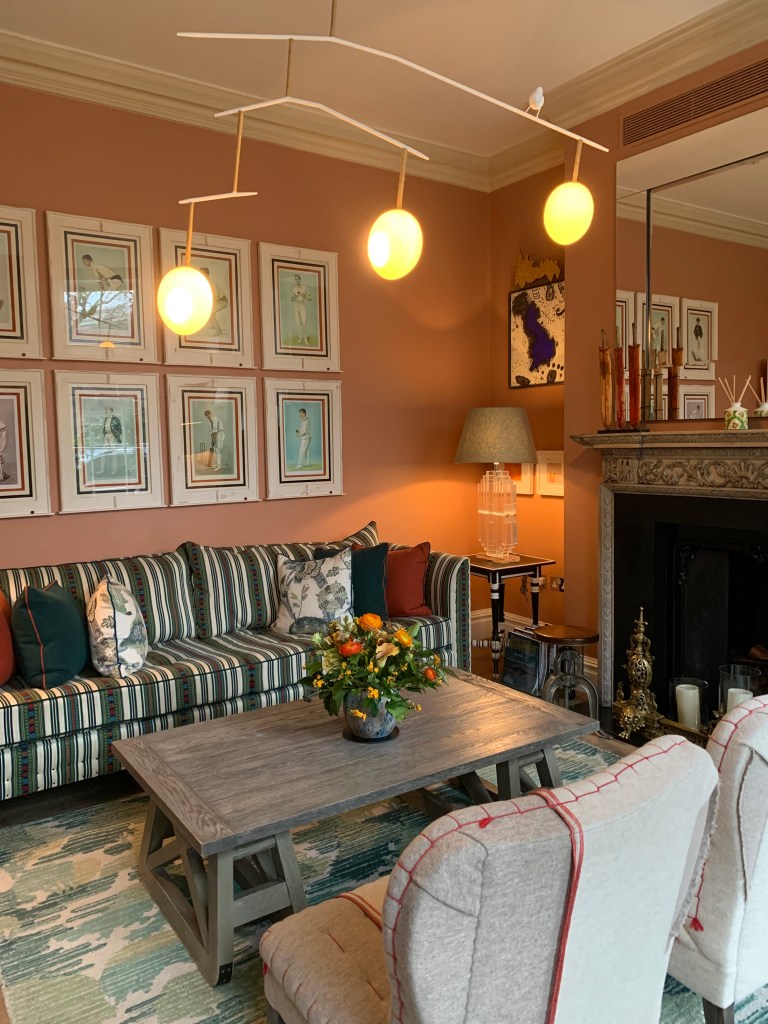
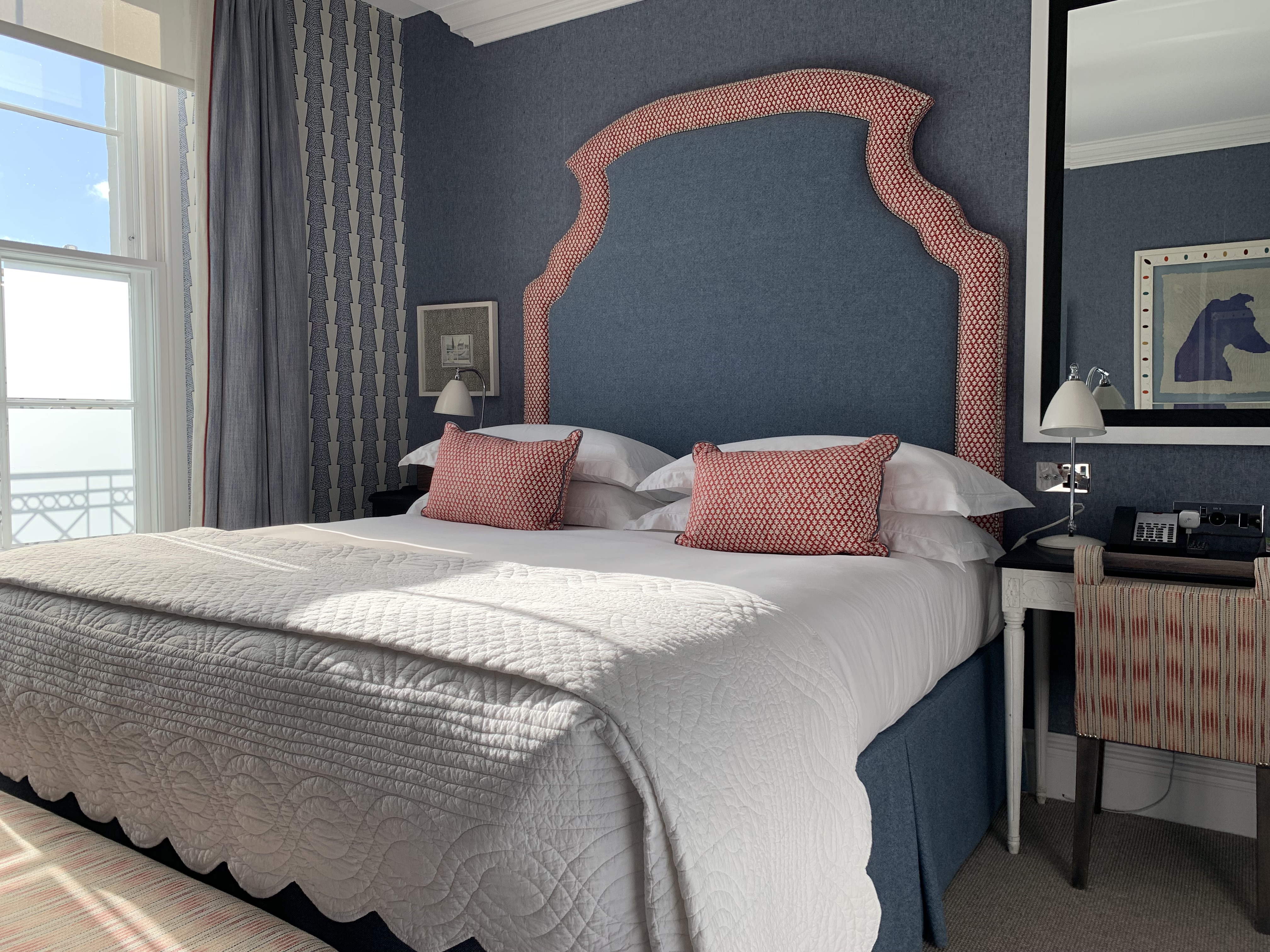
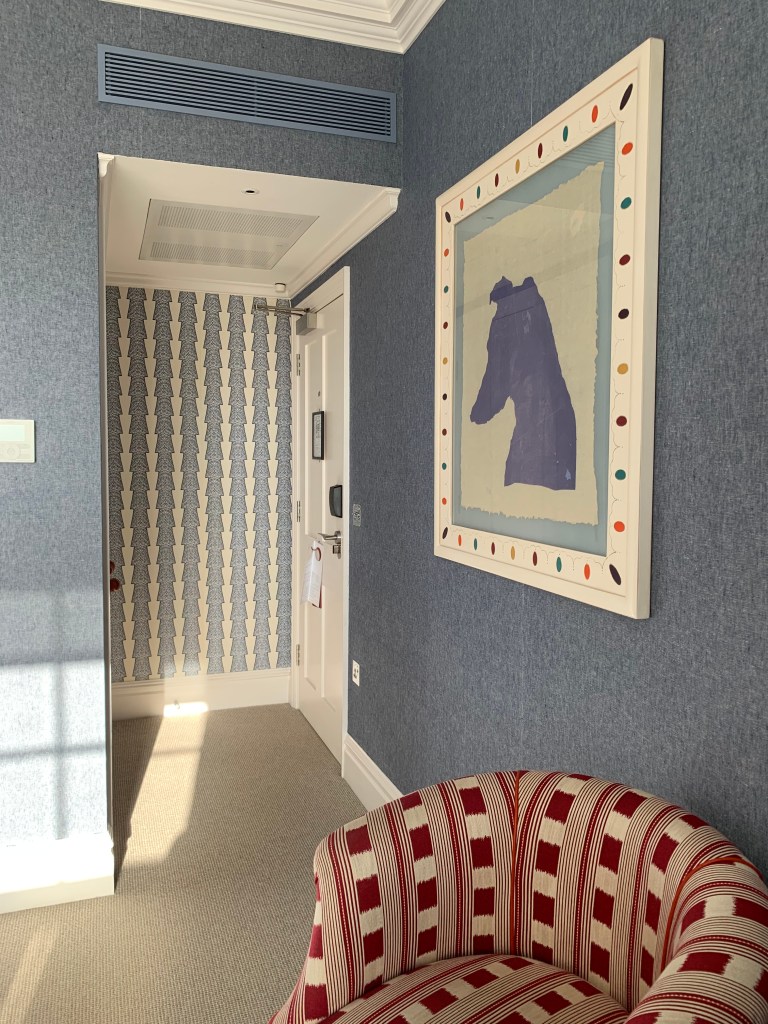
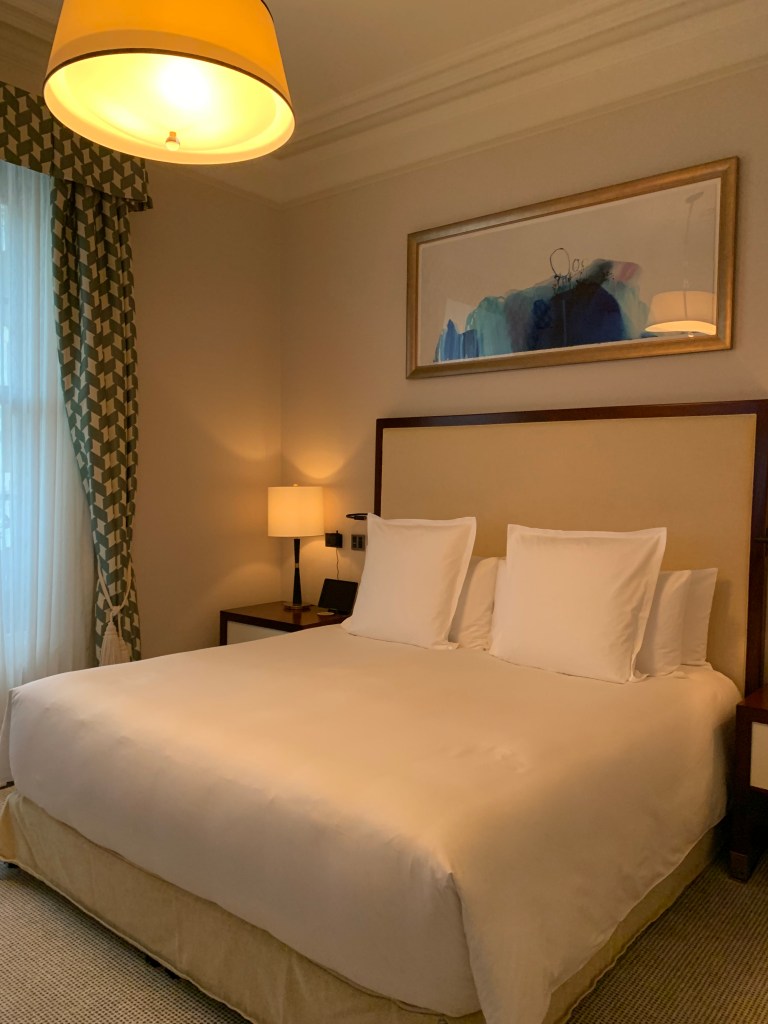
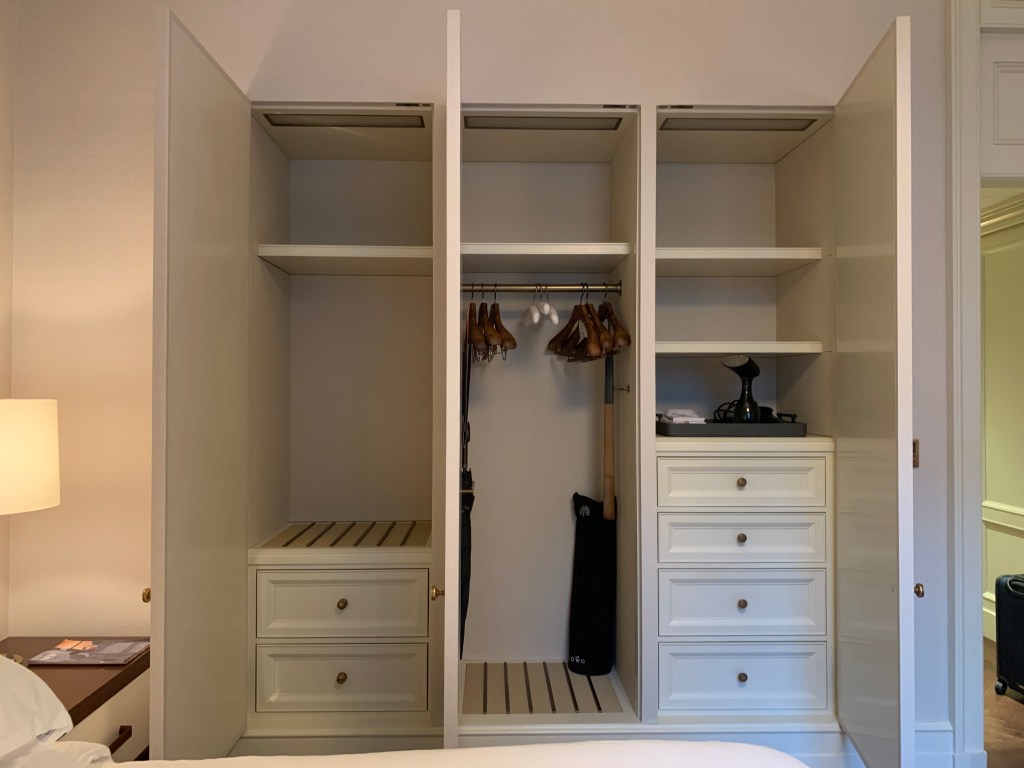
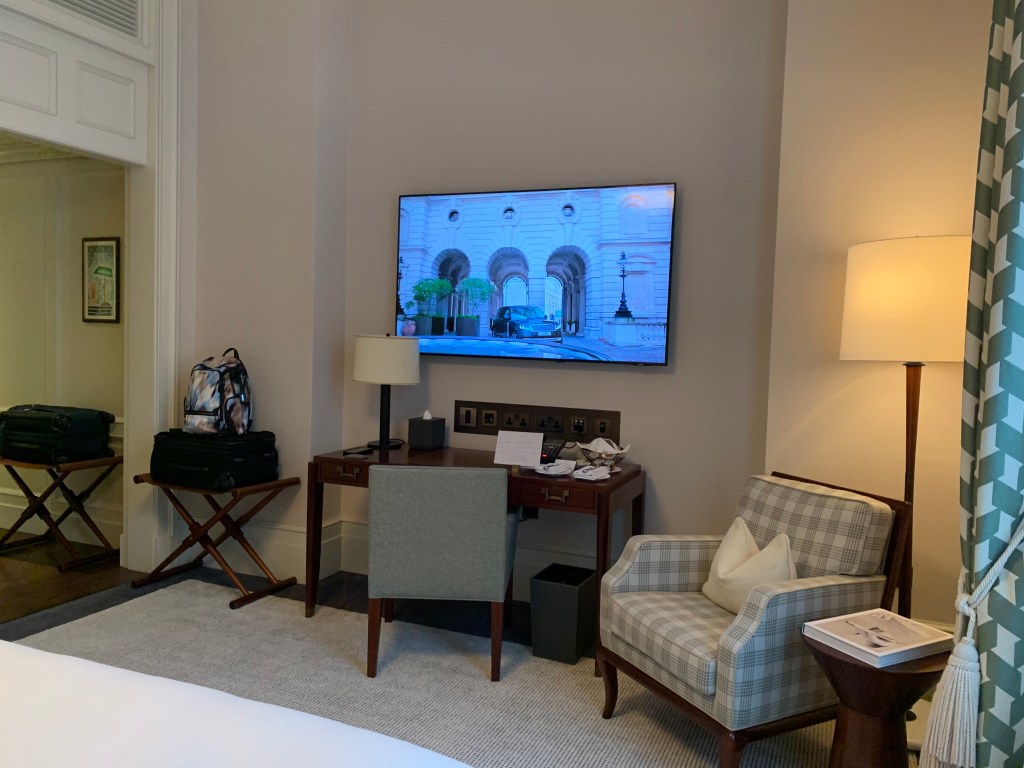
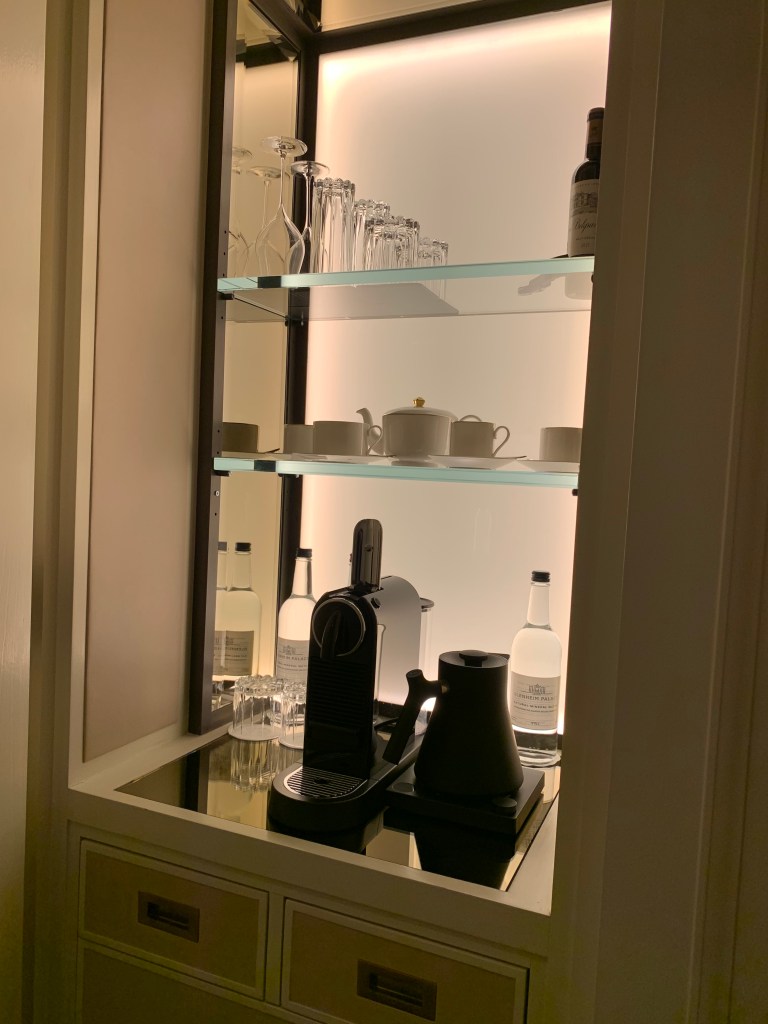
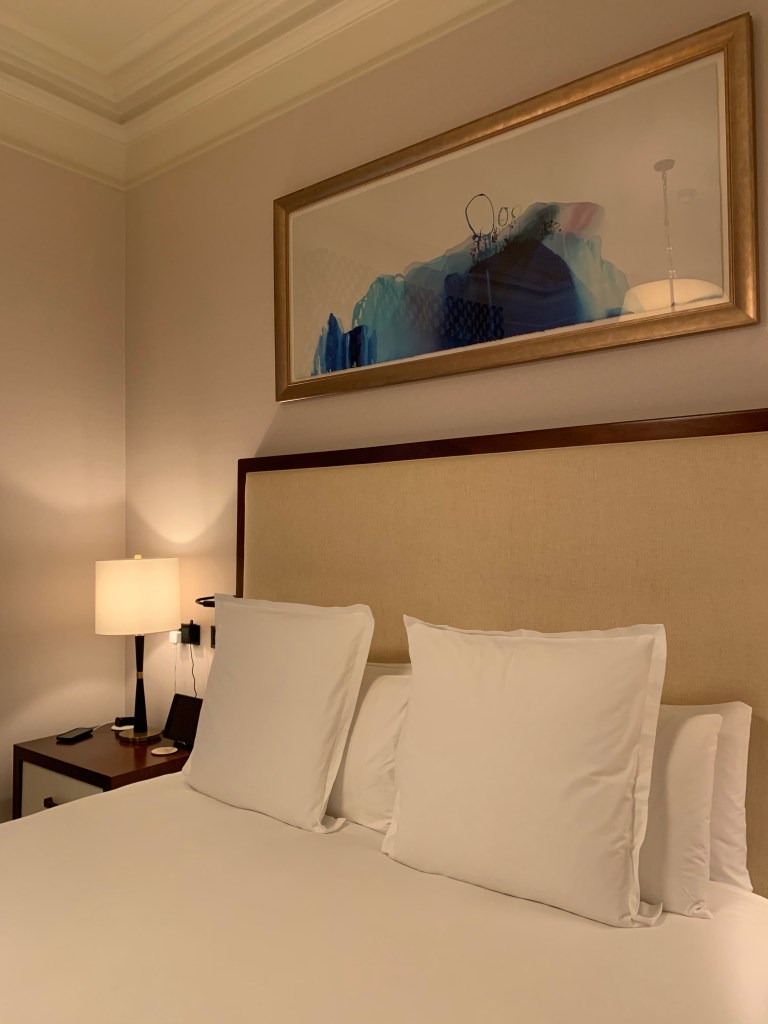
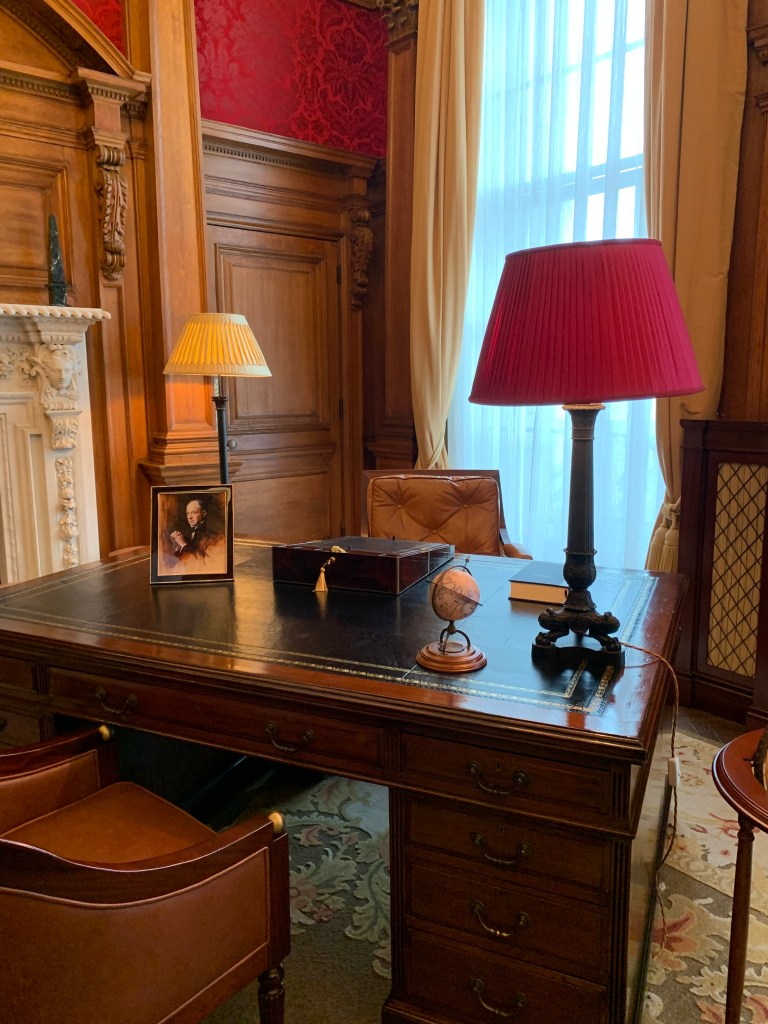
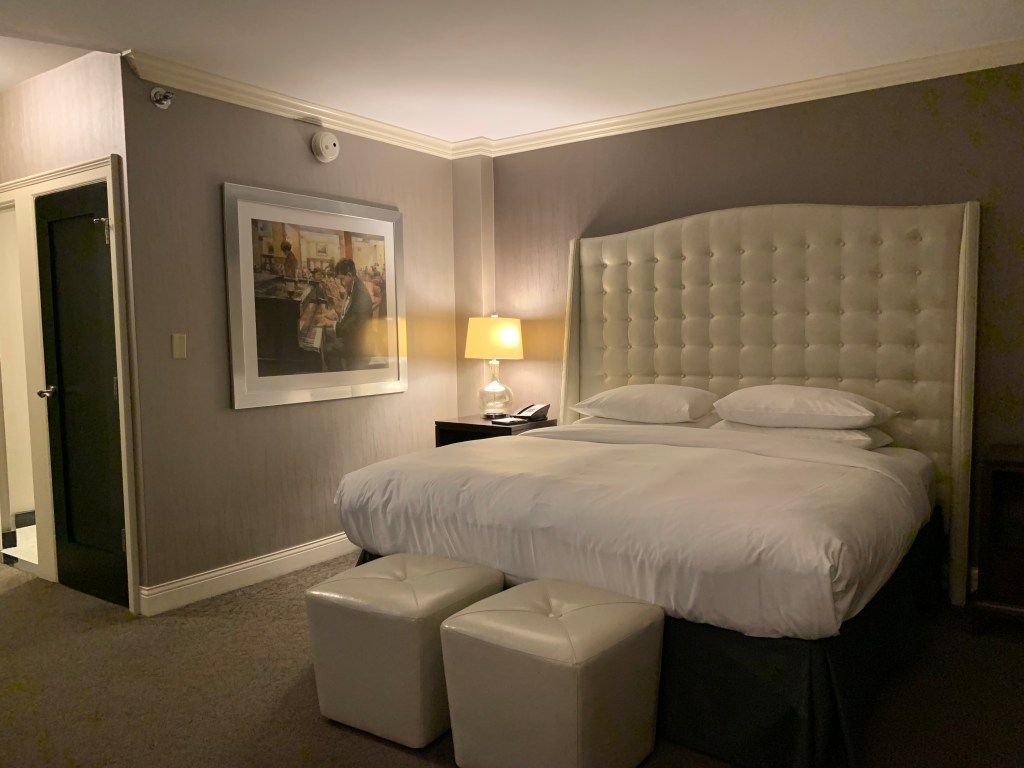
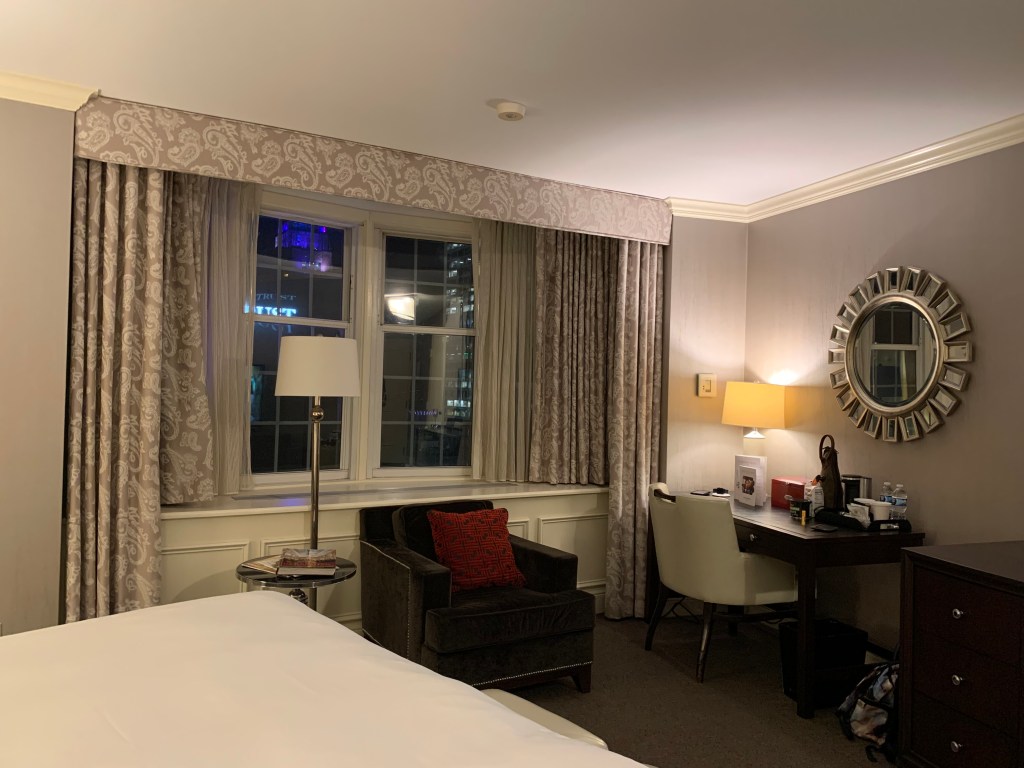
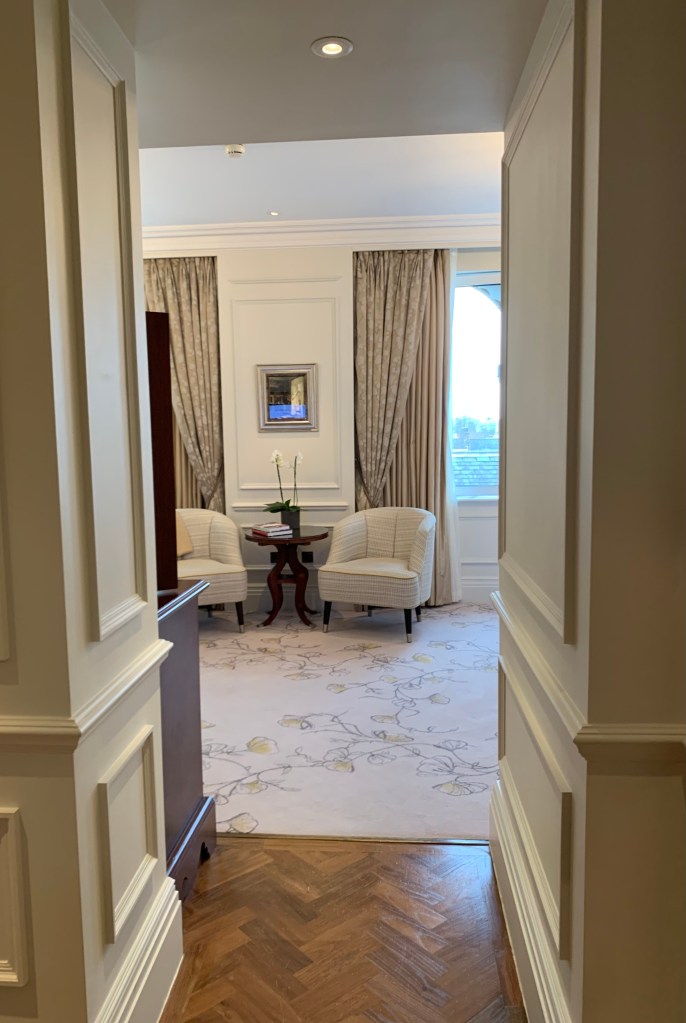
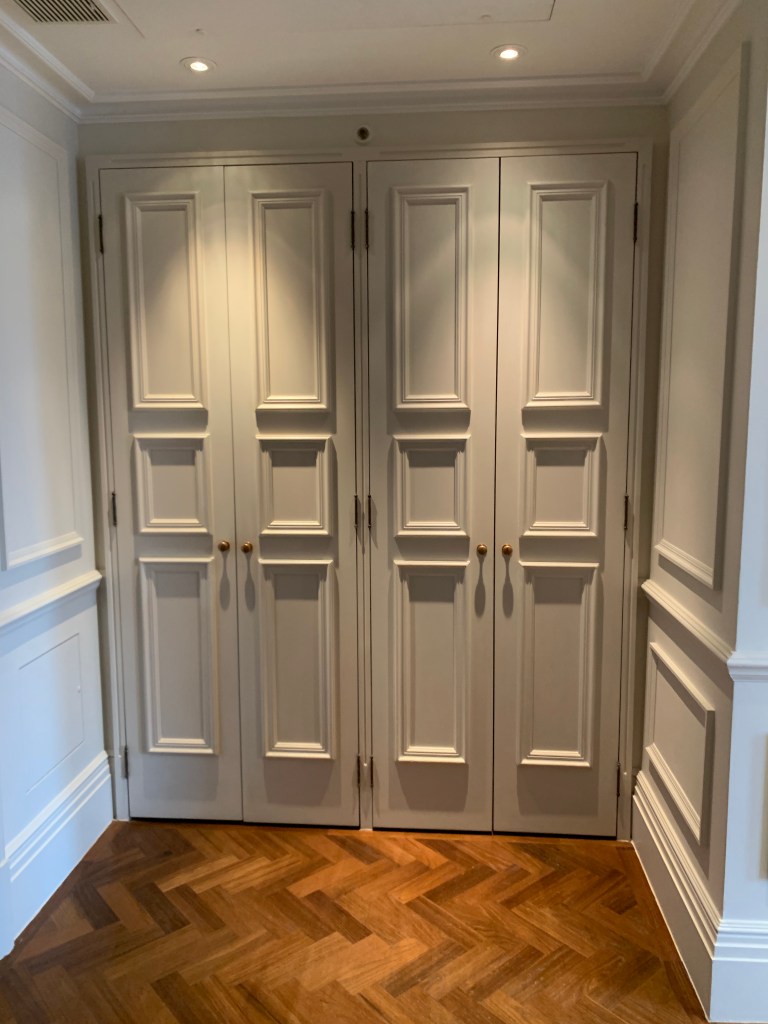
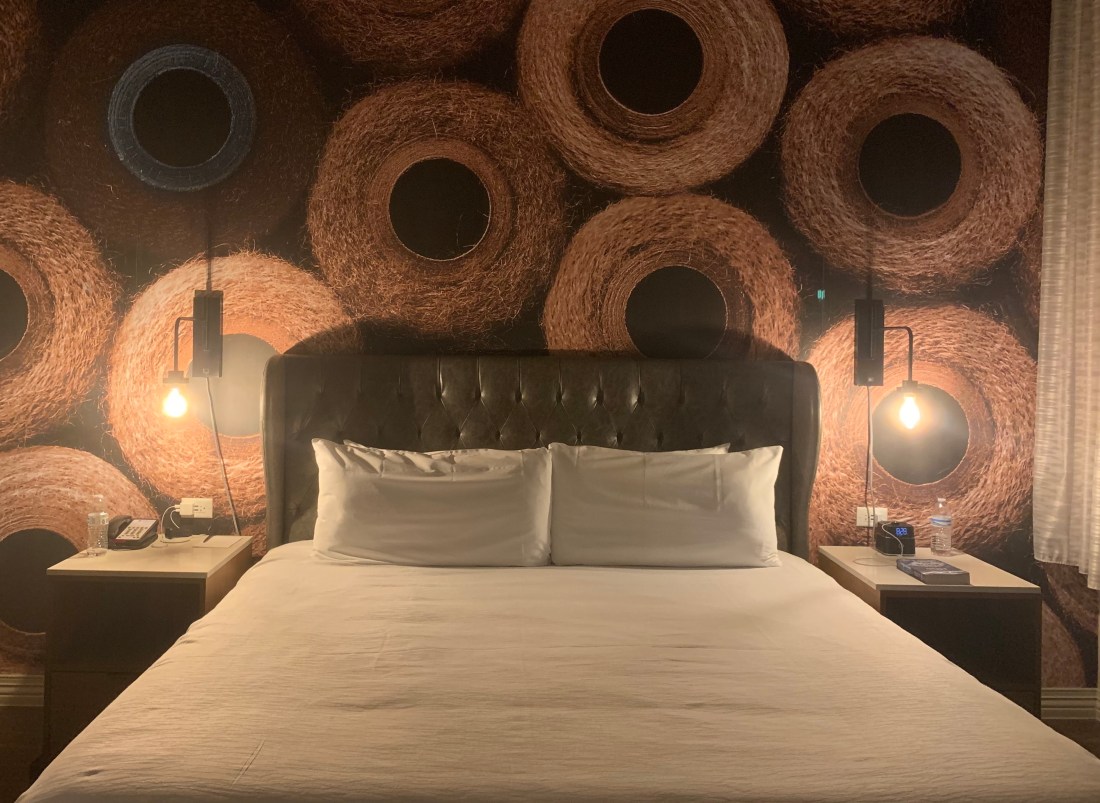
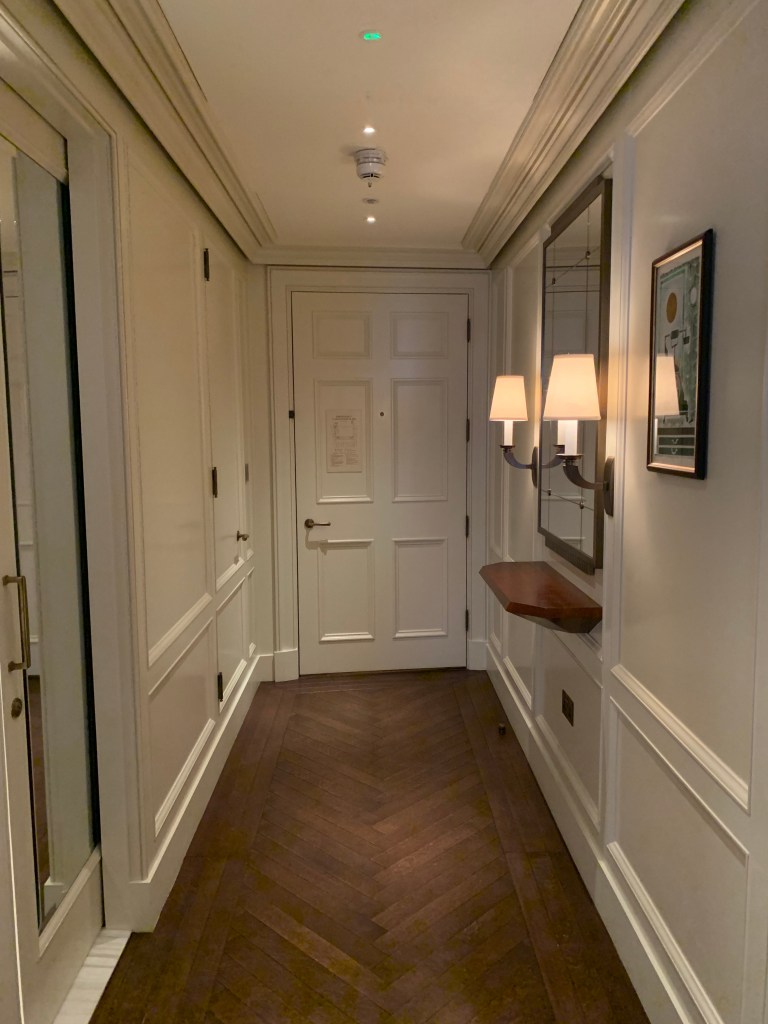
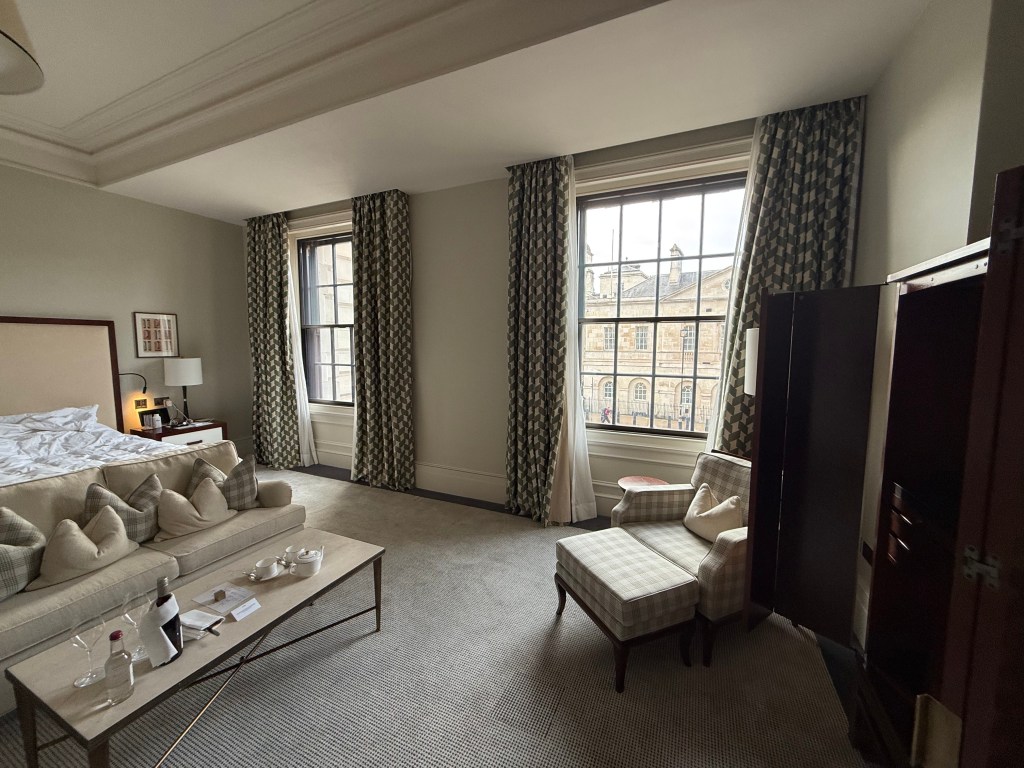
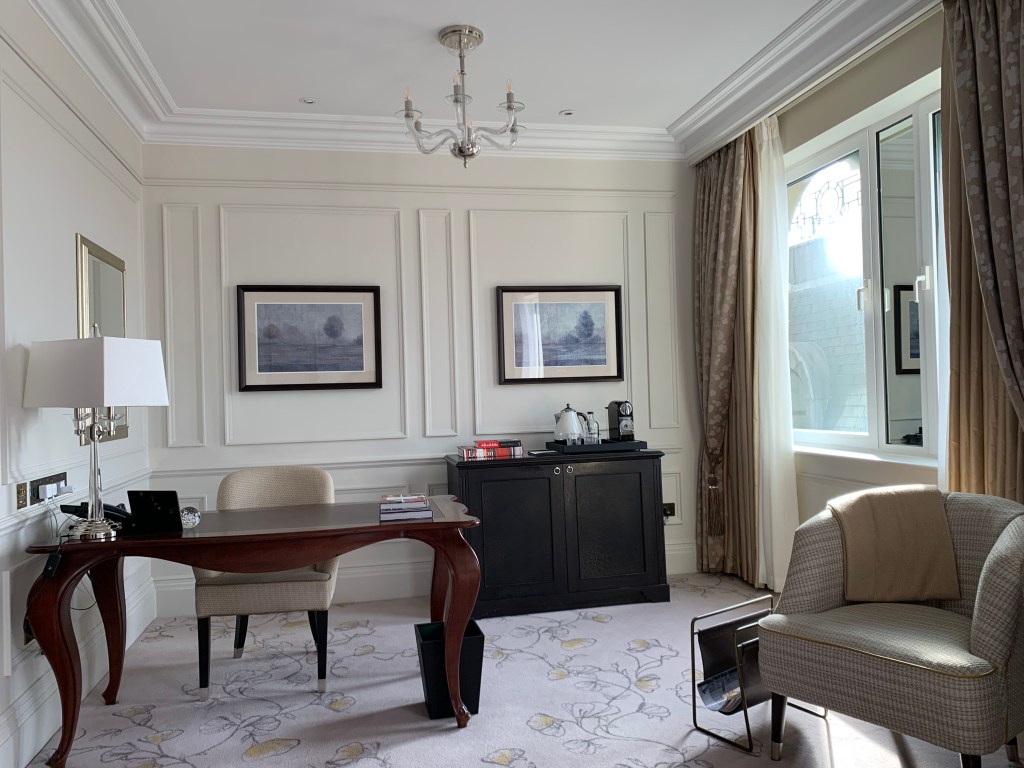
Within 45 minutes, we received word that our room was ready, so we returned to the club to pick up our key. We entered our room on the 4th floor to find sun streaming in through two large windows. A parquet-floored entry foyer with two closets to the left and the bathroom to the right led into a large room with a king-sized bed, a seating area, a coffee bar and an ample work space with a desk that faced into the room. While our tastes tend toward the modern, we had to admit that the traditional room was lovely. Books about London, a live orchid, paintings that looked to be more than simple prints, and a framed picture of the hotel’s chefs in 1907 along with a glass paperweight on the desk gave the room a distinct personality. As we were settling in, a bowl of fruit and box of chocolates arrived (the fruit would be resupplied throughout our stay).

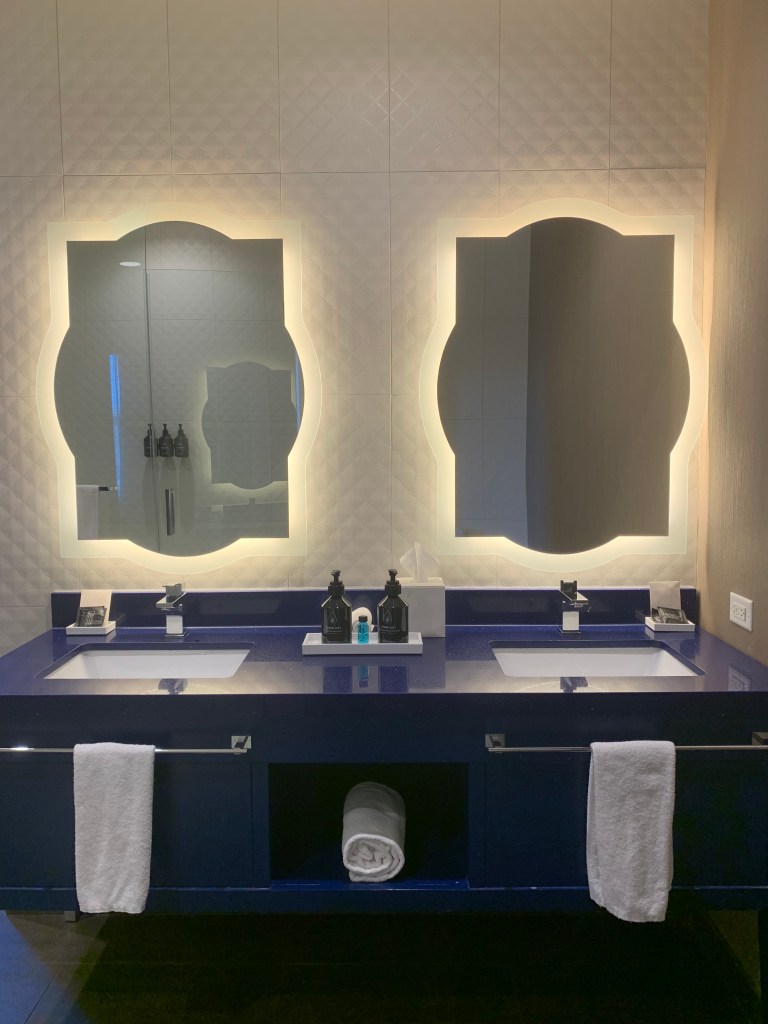
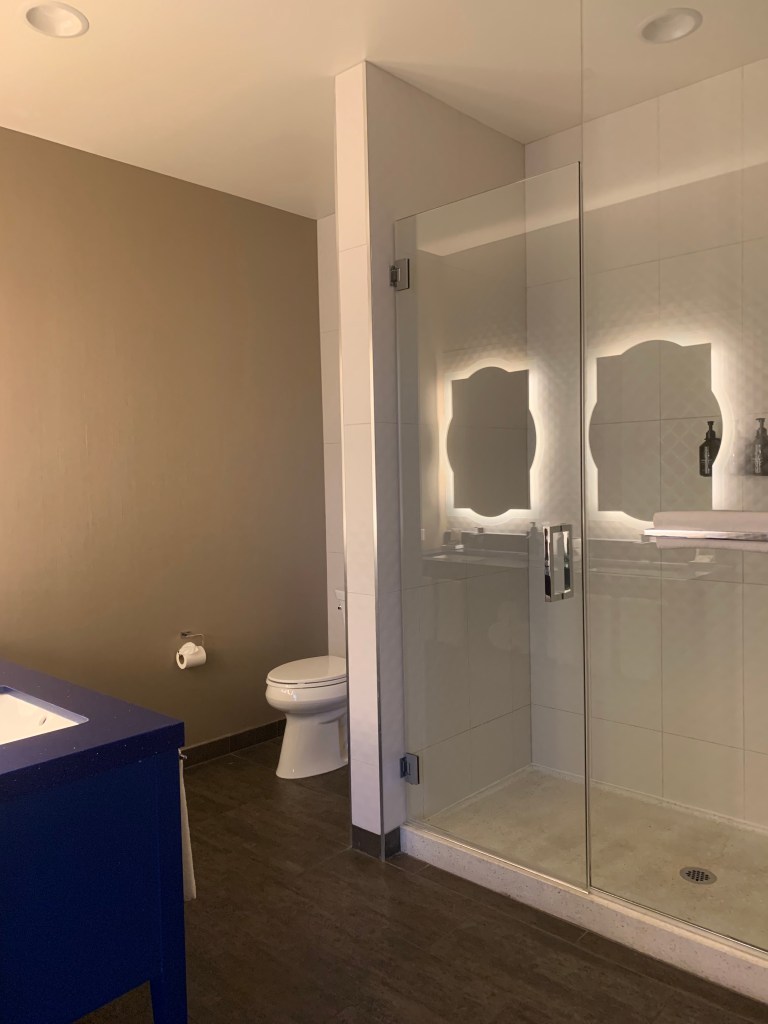
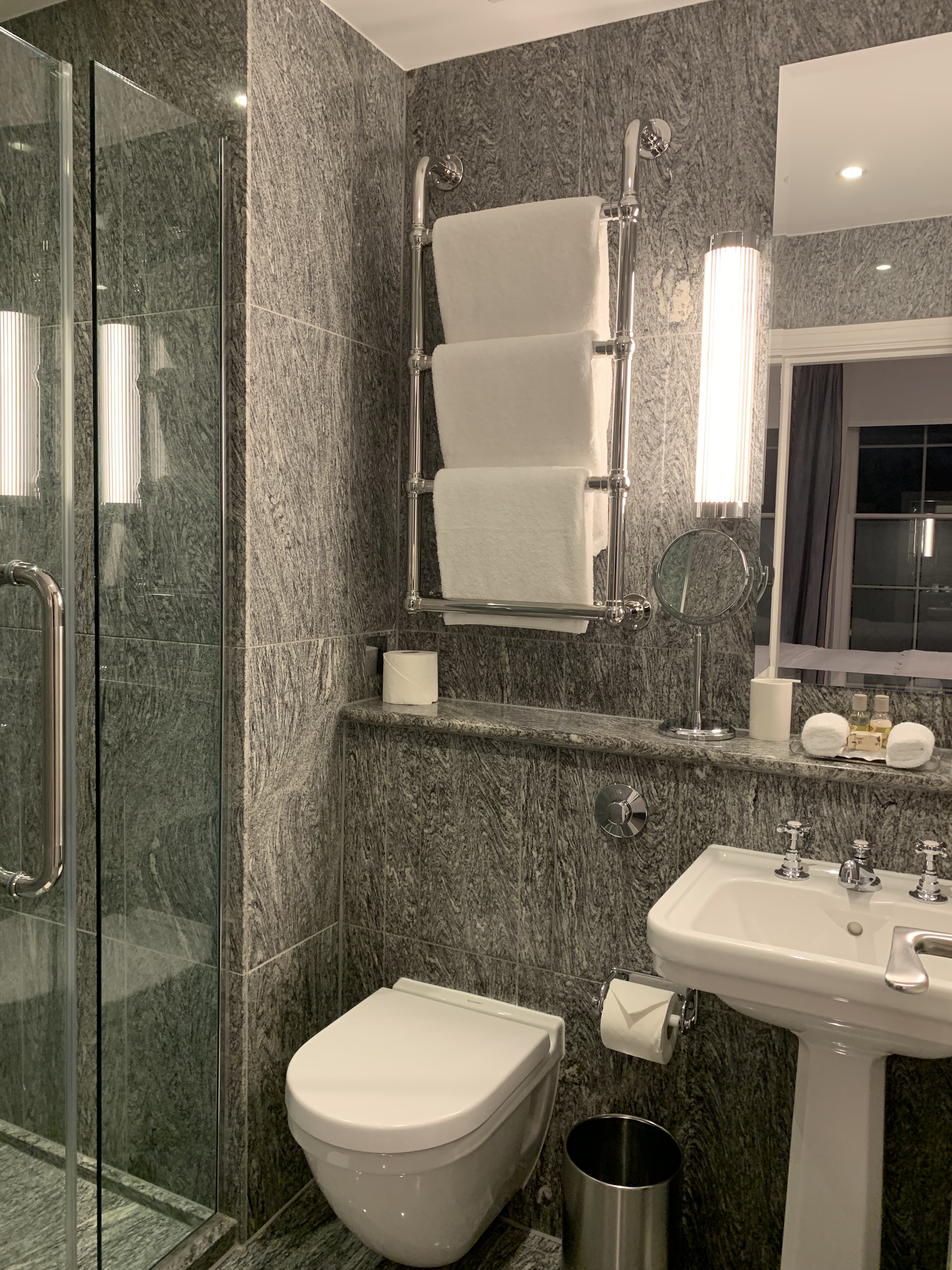
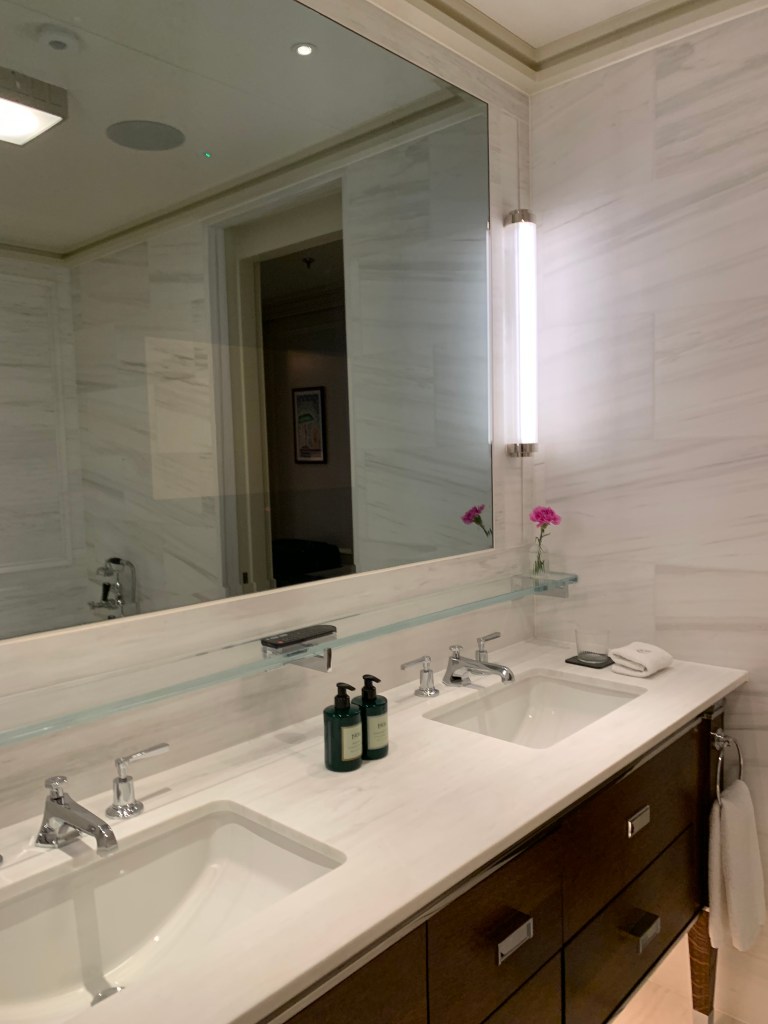
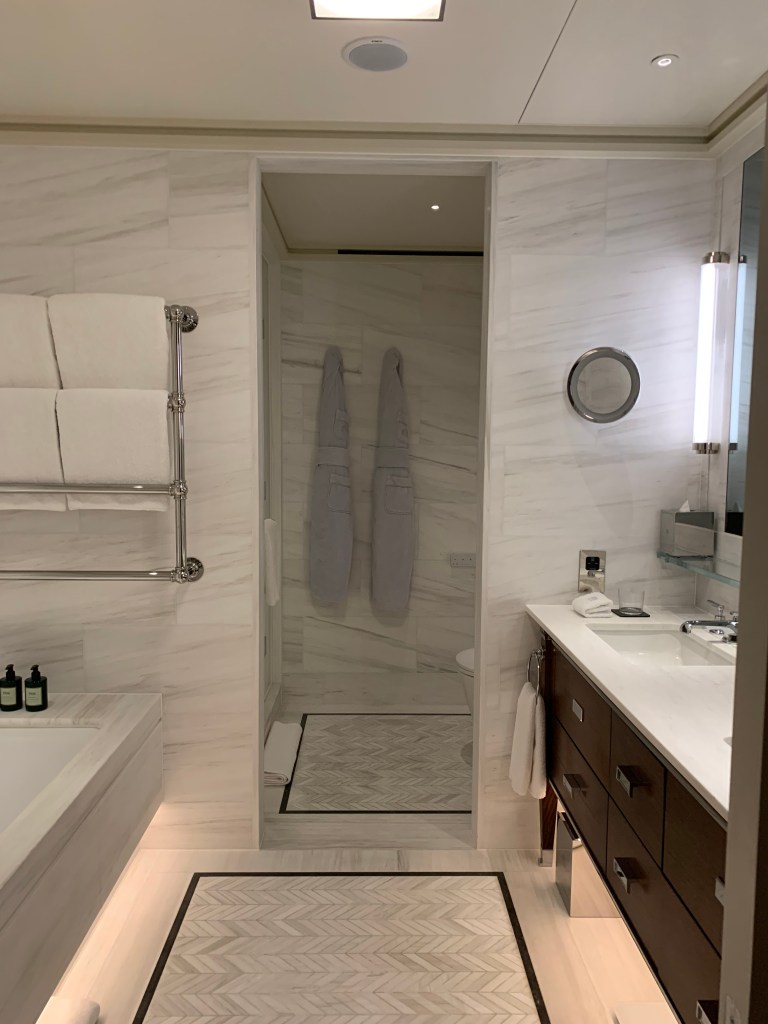
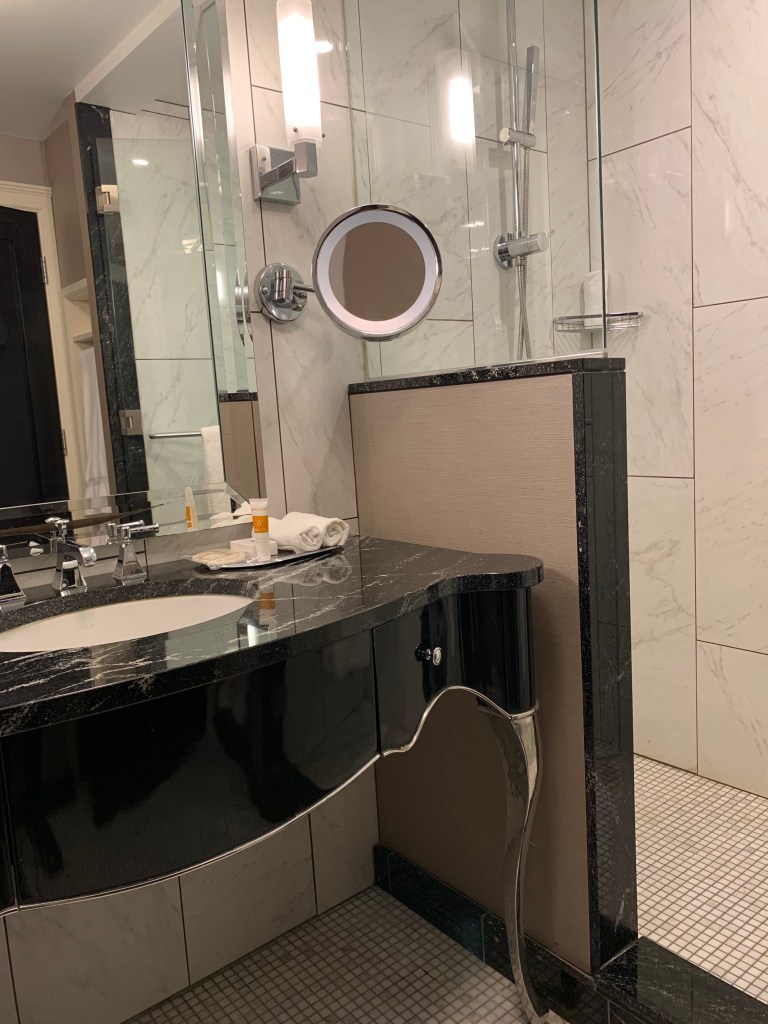
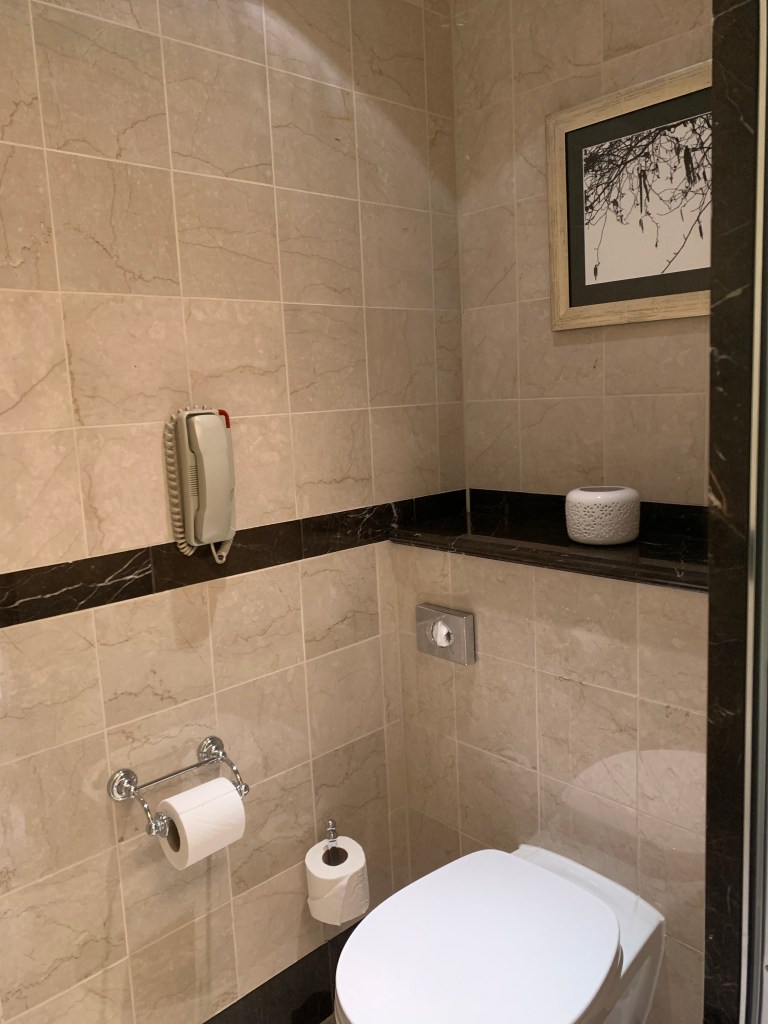
The elegant bathroom included a deep tub, a separate water closet and a shower with some of the most amazing water pressure we’ve experienced in a hotel. Langham’s signature color is pink, and the color appears throughout the hotel, but the effect is not overly feminine. The delicate pink is balanced by dark woods and marbles, both of which featured in the bathroom. We loved the hotel’s bath products with their ginger flower signature scent, and the bamboo shoot on the vanity brought life to the space.

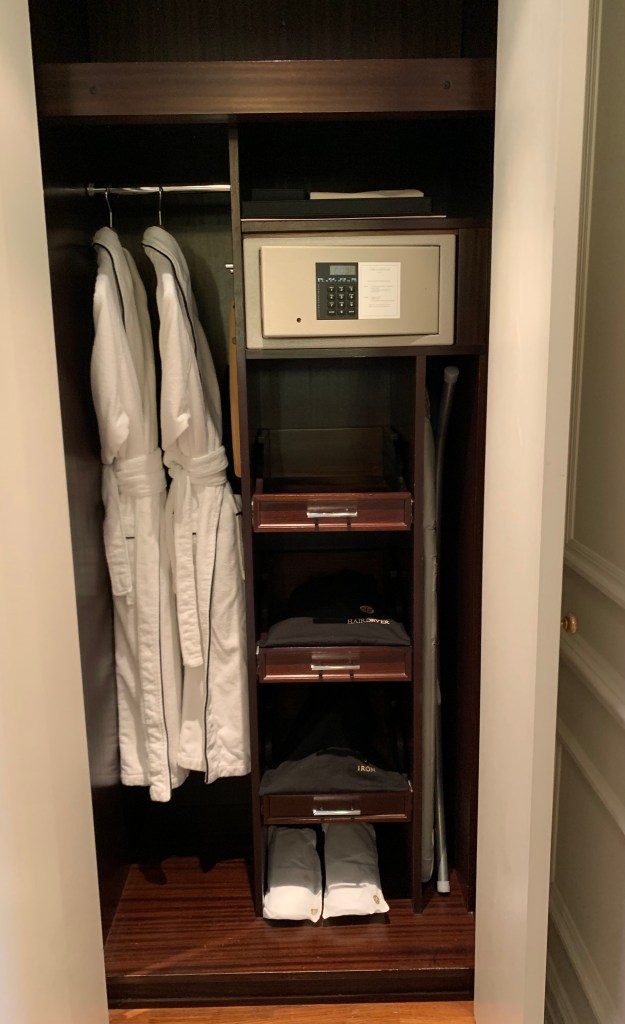
We used and appreciated all of the room’s amenities. From the multiple choices of china for our coffee to the fluffy Frette robes with slippers properly sized for each of us (the first time the small-footed of us had slippers that fit), we felt pampered. We loved that we could open the windows to sleep with fresh air coming in, and the storage allowed us to tuck all of our personal belongings out of sight.


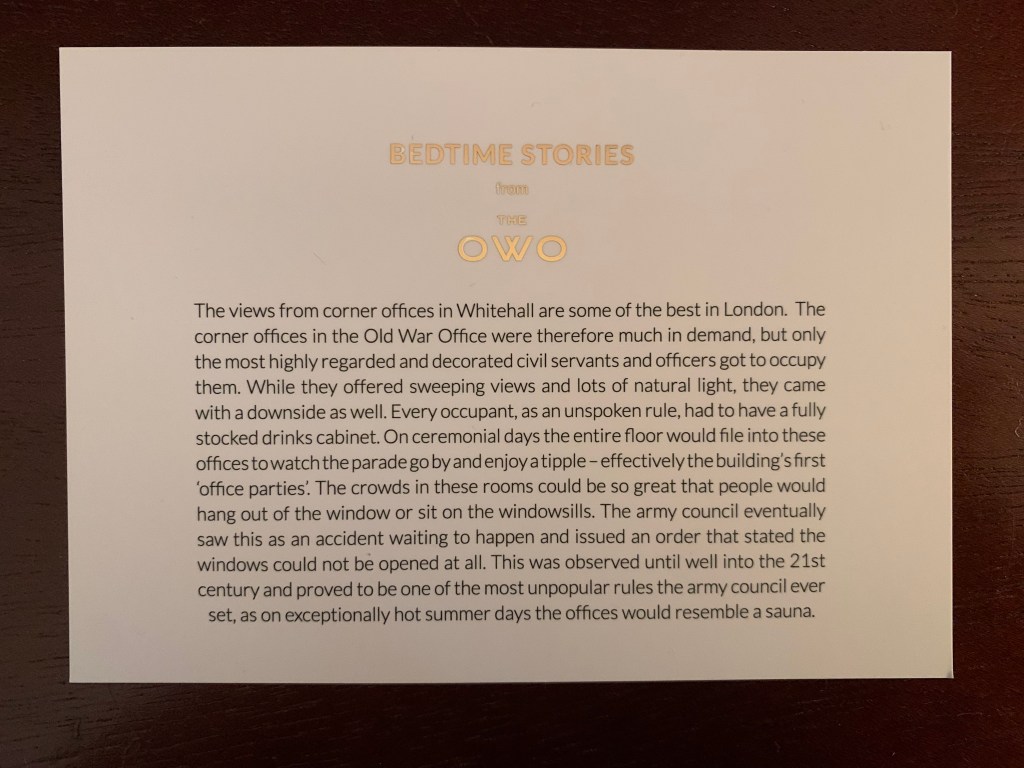
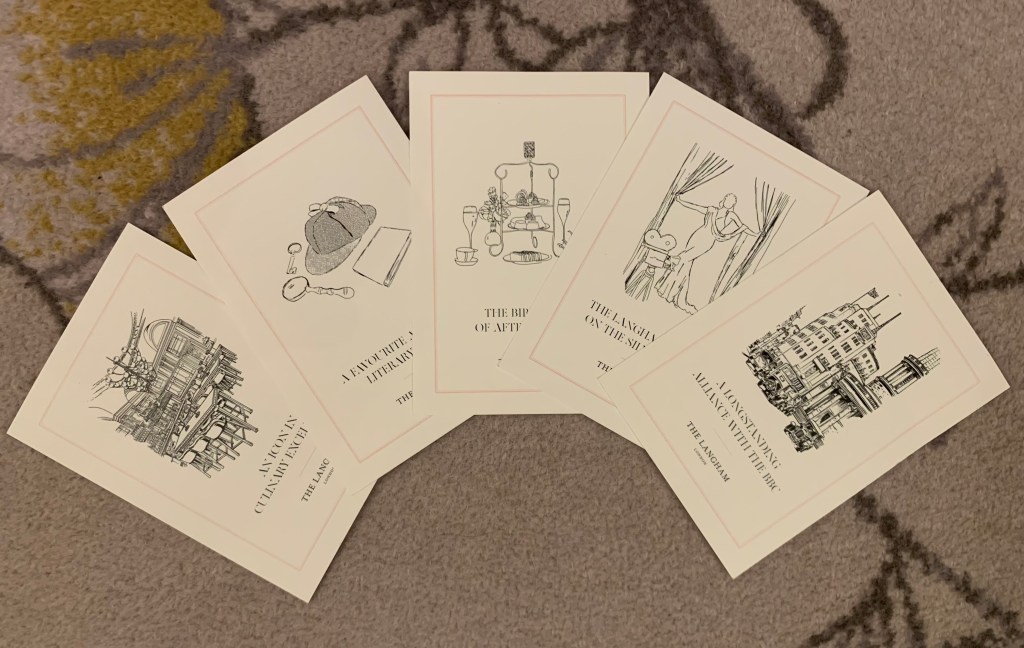
A hotel itself is just part of the experience, and we have come to appreciate top-notch service when we encounter it. The Langham’s service felt flawless to us, and everyone we encountered was a pro. Our room was serviced multiple times during the day, but we were never interrupted. We had breakfast each morning in the hotel, and by the time we returned, the housekeepers had come and gone. Turn-down service was done when we left for dinner, whatever time that was. One of our favorite nightly rituals became anticipating the linen postcard with a story about The Langham that was left on our pillow each evening. We learned, among other things, about The Langham’s longstanding alliance with the BBC, about Langham appearances on the silver screen, and about the literary icons who frequented The Langham.

During our stay, the concierge team secured last-minute reservations at Trishna, a lauded (and quite small) neighborhood restaurant; porters held umbrellas over our heads as we got into taxis, and staff in the club learned our coffee preferences after the first day.


One of the best things about London is its eating and drinking establishments; it really is an embarrassment of riches. And some of those riches are right in The Langham. The room we chose included access to The Langham Club. When we booked the room, we thought the club might be a convenient place to get a cup of coffee before heading out on the day’s adventures. We’ll admit that we didn’t have high expectations. That perception was misplaced. The club – open throughout the day with a changing menu of food and drinks – became our living room. The promise of a coffee gets us out of bed each morning, and the coffee was delicious. Of course, the pastries, salmon and caviar, and eggs cooked to order didn’t hurt. In the club, we could also connect with a staff member who offered concierge-level services, and when we popped in during the evening, champagne flowed liberally.

During our stay, we also patronized the hotel’s pub – The Wigmore – twice; we had a drink in the Palm Court one evening and breakfast one morning; and we also visited the hotel’s bar, Artesian, and had a lovely conversation with our Polish server who talked to us about drinking Zubrowka vodka as a young person. (We’ll admit that we’ve had our fair share of this particular vodka, which we discovered at our neighborhood Russian restaurant). Each of our experiences at the hotel was well worth using as one of our limited London eating and drinking opportunities.


The Langham London

If you’re a regular reader of our blog, you’ll know that we tend to choose smaller, independent properties when we travel, and we certainly aren’t loyalists to any brand. But we both must admit that our two experiences at The Langham have made us think about where we might visit next because it has a Langham hotel. Can two wonderful experiences become three?

The Langham Chicago

We don’t imagine we’ll ever become exclusive to a particular hotel brand, but it’s fun to see how a brand can be expressed in different places. The Chicago and London Langham hotels are two very different properties, but they share things that we appreciate and that we would seek out. Stay tuned for where we next discover a Langham hotel.


  • The Langham London
  • 8-night stay: February 21 – March 1, 2025
  • Executive Club Room, #405

Back to HOTELLING home

Nisswa, Minnesota, USA ~ Nature Link Resort

In the days following the new year, most people in our part of the world are on a bit of a holiday hangover and slowly returning to “normal” life. But we have a January 5 birthday in our house, and it’s actually a perfect time to get out of our neighborhood, which suddenly seems very lonely after all of the holiday happenings.

In the cold and dark days of a Minnesota winter, it might make the most sense to head south, but this year, we did the opposite, booking a few nights at Nature Link, a resort in central Minnesota that had been on our list for a few years.


Nature Link is in the Brainerd Lakes area, and although the area is a popular destination and a place where many friends have cabins, we had never spent time there, opting instead typically to head to the North Shore of Lake Superior when we want to get into nature. We can’t even remember exactly how we found Nature Link – it was likely just a Google search of resorts near Nisswa, MN – but what we saw online was intriguing: modern, tastefully finished cabins on a smaller, off-the-beaten-path lake with an aesthetic that emphasizes slowing down and spending time with nature near the water and among the woods.

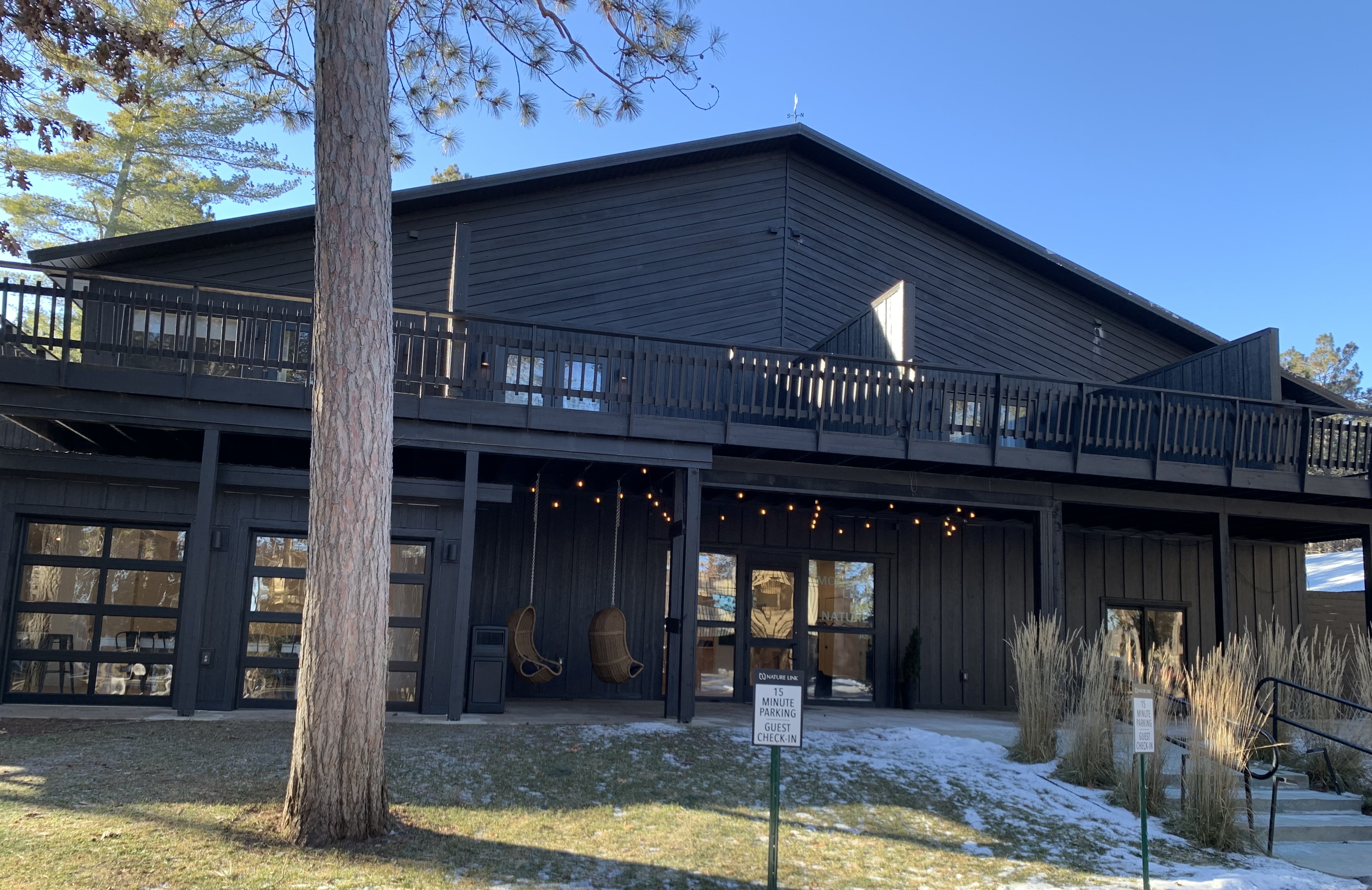
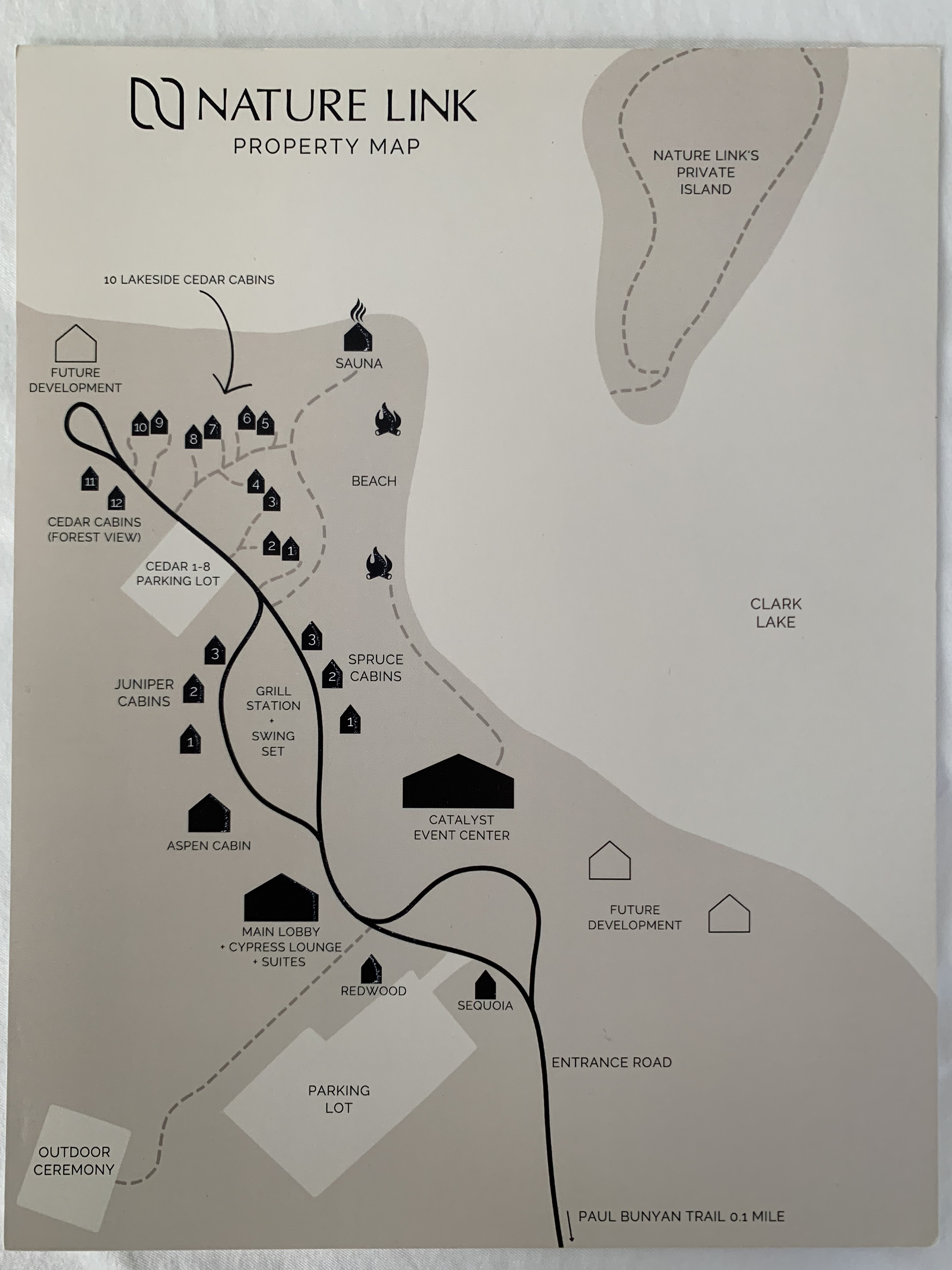
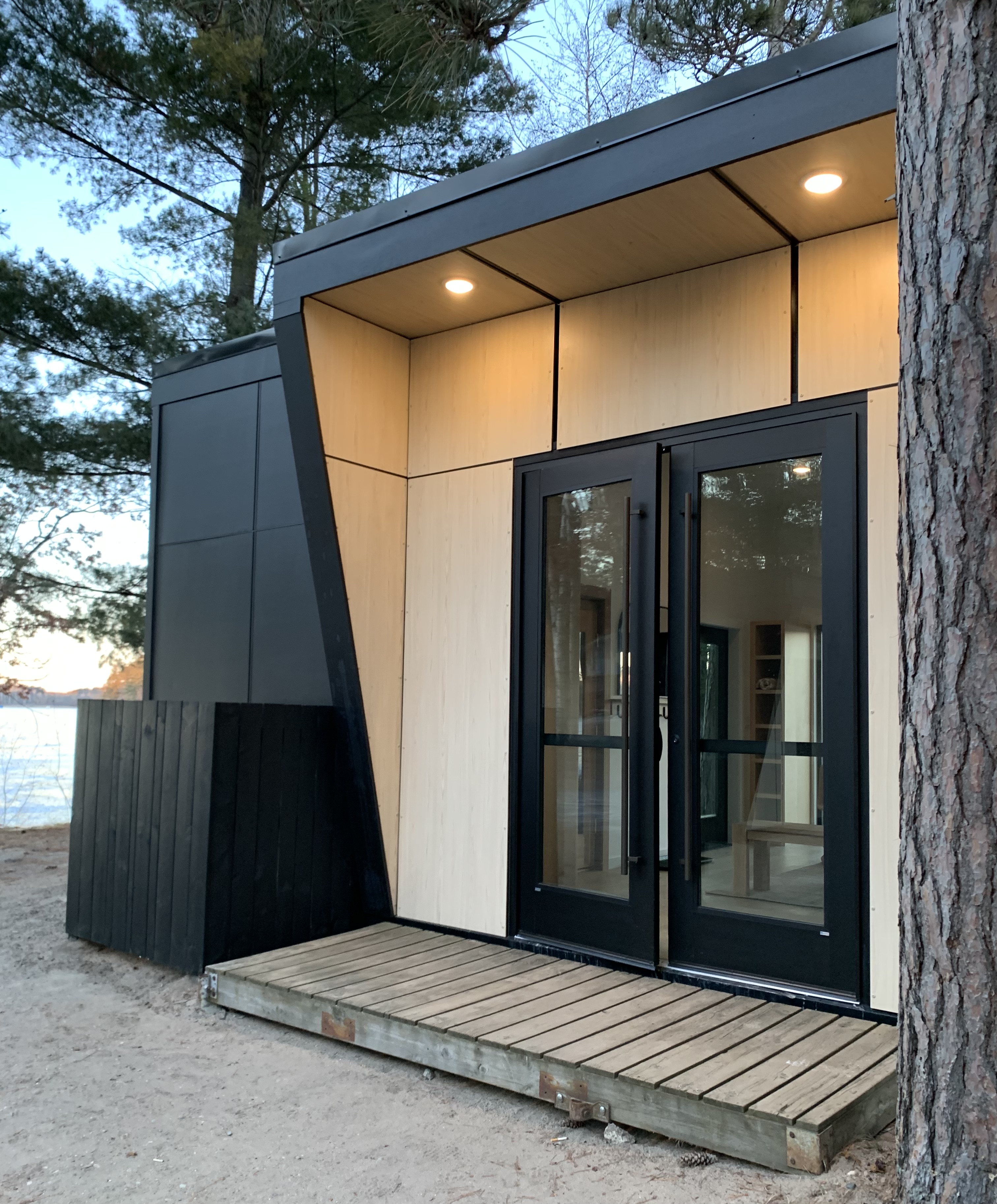
Summers are clearly the more popular time for resorts like this, but winters draw anglers for ice fishing, cross-country skiers and snowshoers, snowmobilers, and people like us who just want a little escape from the city. On the weekend we visited, there was no snow (a hardship for the local economy), but it was very cold, below zero. We love to get outside in the winter, and we did manage a walk into the town of Nisswa along the Paul Bunyan trail, which adjoins the resort. But the cold temps and lack of snow turned out to be a good excuse to either stay inside by the fire, looking out from our big windows to the forest, or to take the short trek to the newly finished sauna where we watched the sun move across the frozen lake.

Apparently, we weren’t the only ones who wanted this kind of weekend. When we first arrived at Nature Link on a Friday afternoon, we thought we might be two of only a few guests, but by the time we headed to dinner on Friday evening, lights were on in nearly all of the resort’s 20 or so cabins and suites.


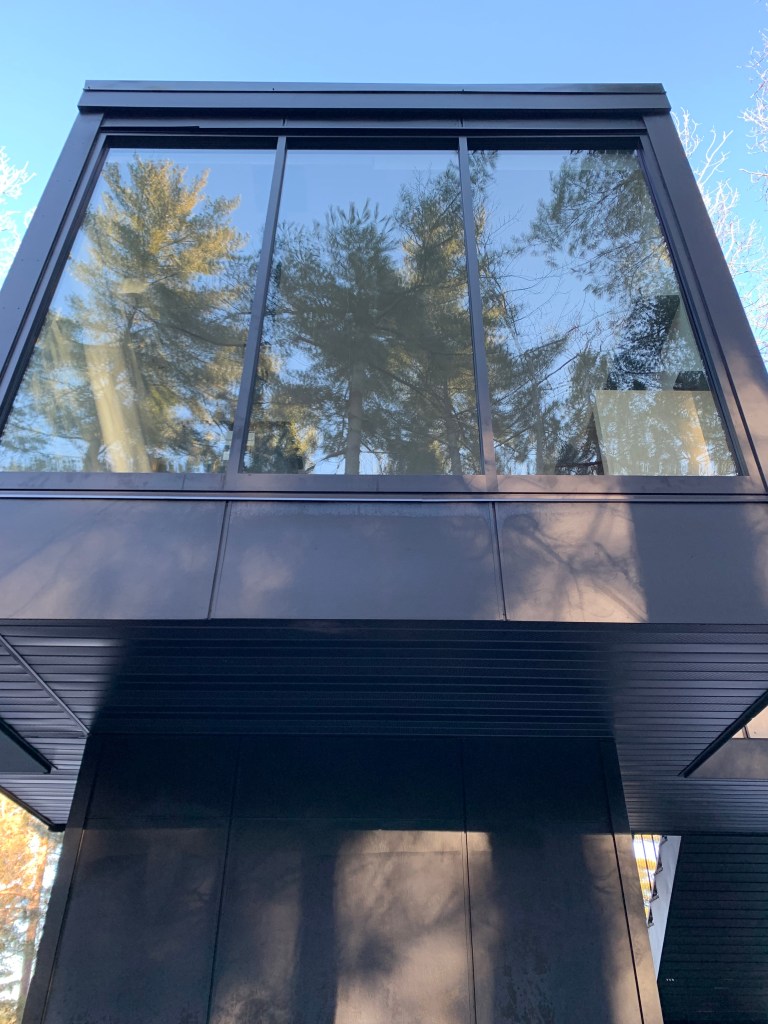
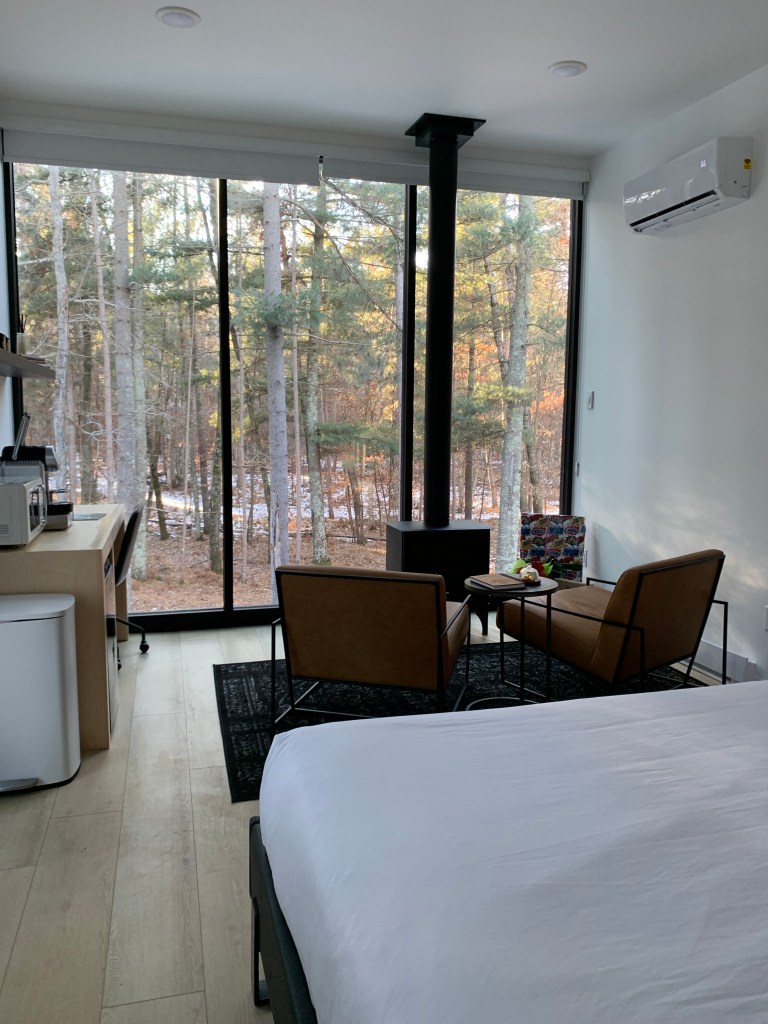
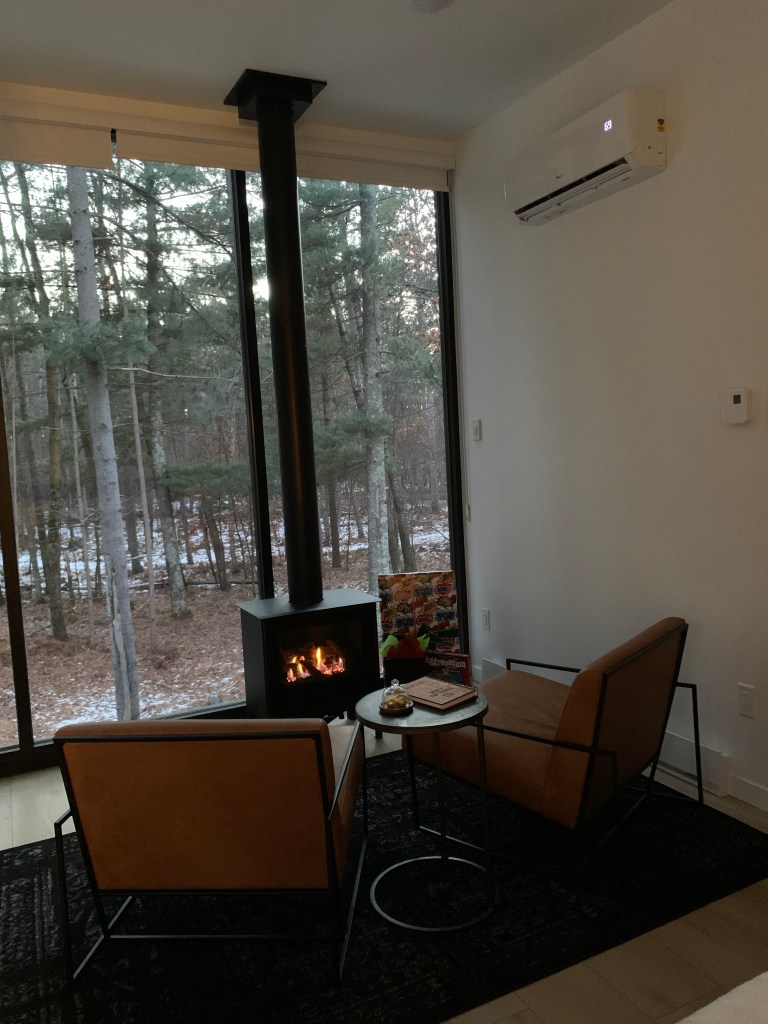
When we made our booking, we had a choice between a cabin looking out on Clark Lake or an elevated cabin facing into the forest. The treehouse experience sounded intriguing, so we chose that one, not knowing exactly what to expect. Upon arrival, we were directed to Cedar Cabin #11 – a stand-alone structure and one of two with this particular design – jutting up from ground level with access via an external staircase. Inside, a massive picture window looked out to the woods; it really did feel like a luxurious treehouse.
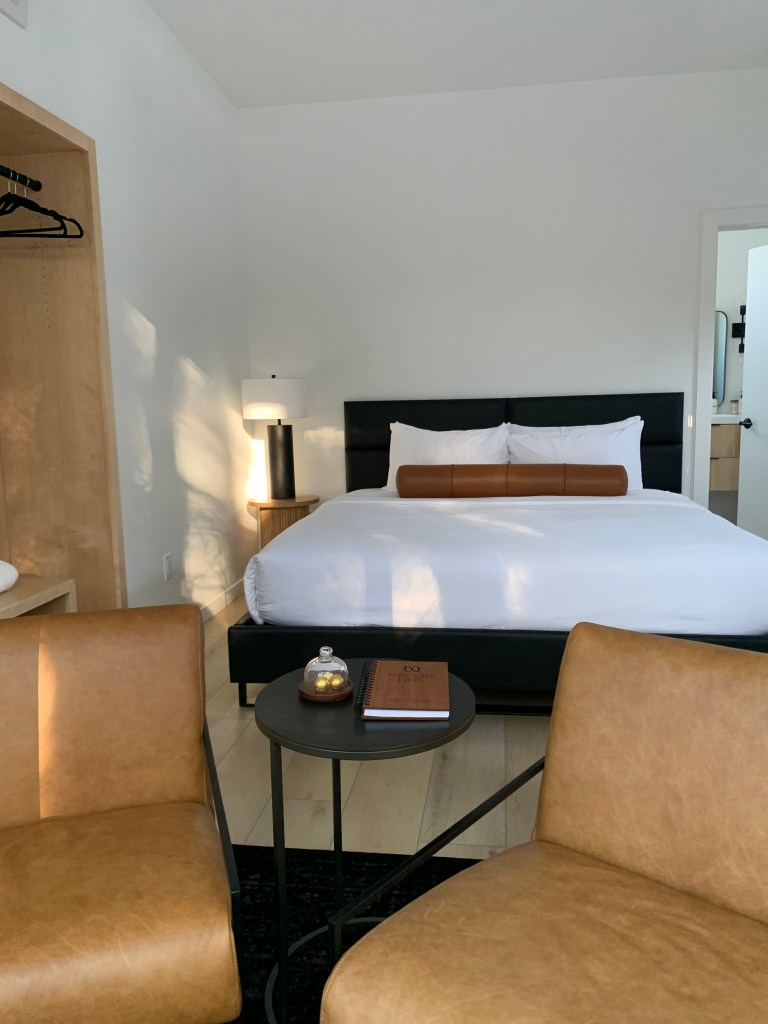
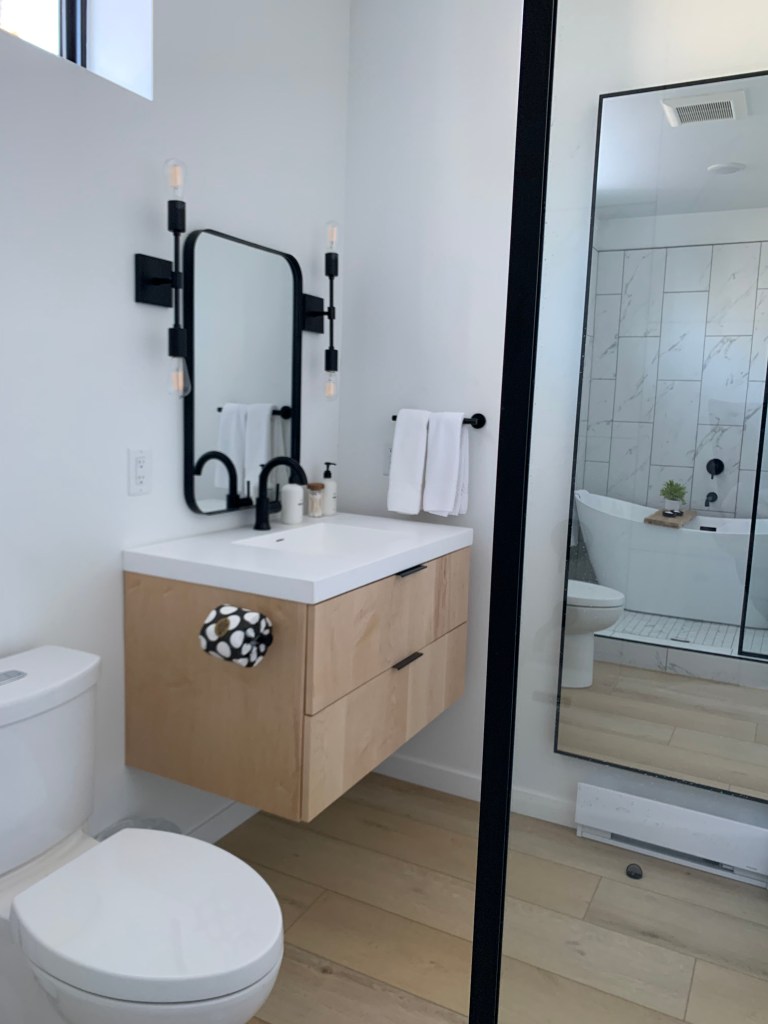
Inside, we found a gas fireplace, two leather chairs oriented toward the windows, a king-sized bed, and a nicely finished bathroom with a shower and deep soaking tub. The cabin also included a big Nespresso machine and a small refrigerator and microwave, along with some fun features: a deck of cards, tasty chocolates, a few books. There are no TVs in the cabins, which we welcomed, but the solid WiFi made sure we could stay connected with the outside world if needed.

The design and the quality of the furnishings and finishes exceeded our expectations. This is not your typical rustic cabin. We’ll note that Nature Link is only a few years old, and maintaining the standards will surely take constant work. In addition to guests, who can be hard on a property, the outside elements are relentless. On the days we stayed, the difference in the outside and inside temperatures was causing a fair amount of condensation on the window frames, and even though it was winter, we still tracked sand inside whenever we entered (the resort helpfully leaves a broom in the cabin). We hope the simple design and relatively rugged materials of the cabins lead to easier upkeep. In addition, because the resort is new, it’s still under development, and, although it was hard to tell in the winter, the landscape looks to be in recovery from some of that development.

One more note about the Cedar cabins: They are set up like a hotel room, and Nature Link doesn’t have a restaurant, so guests need to venture off property to eat. There are lots of options close by – more than we could explore on our long weekend – so this wasn’t an issue. But visitors to Nature Link who want to cook should book one of the bigger cabins with a full kitchen.


Without snow, many winter activities were out of the question, but that turned out to be just fine; it meant we could truly take it slow. Between short bursts of energy to walk around the property, visit the sauna, or explore Nisswa, we mostly just settled down near the fire and gazed out to the forest (or played the classic board game Aggravation). On our second day, we were entranced by a pileated woodpecker knocking away at a nearby tree and later watched as a herd of deer moved slowly across our view, feeding on the nibbles below the brush.

We’re curious how the resort feels in the summer when the whole area is brimming with people; we’ve heard the whole Brainerd Lakes region can be a pretty lively scene. We’re guessing that folks looking for something on the quieter side choose Nature Link; in summer, the resort provides bikes, kayaks, and hammocks for guests. And the resort has a private island that guests are encouraged to explore. All of this sounds terrific and right up our alley. We hope to return during summer to see more of what Nature Link has to offer, but it might just be that the quiet of winter is when the resort really shines.


Back to HOTELLING home

Milan, Italy ~ Senato Hotel Milano

In a fashionable and sophisticated city like Milan, the experience of searching for a hotel is an embarrassment of riches. Beyond international chains like the Mandarin Oriental and Four Seasons, Milan hosts dozens of smaller independent hotels that, in our exploration, looked promising. In the end – and following the advice of Condé Nast and its “best boutique hotel” designation – we chose Senato Hotel Milano.

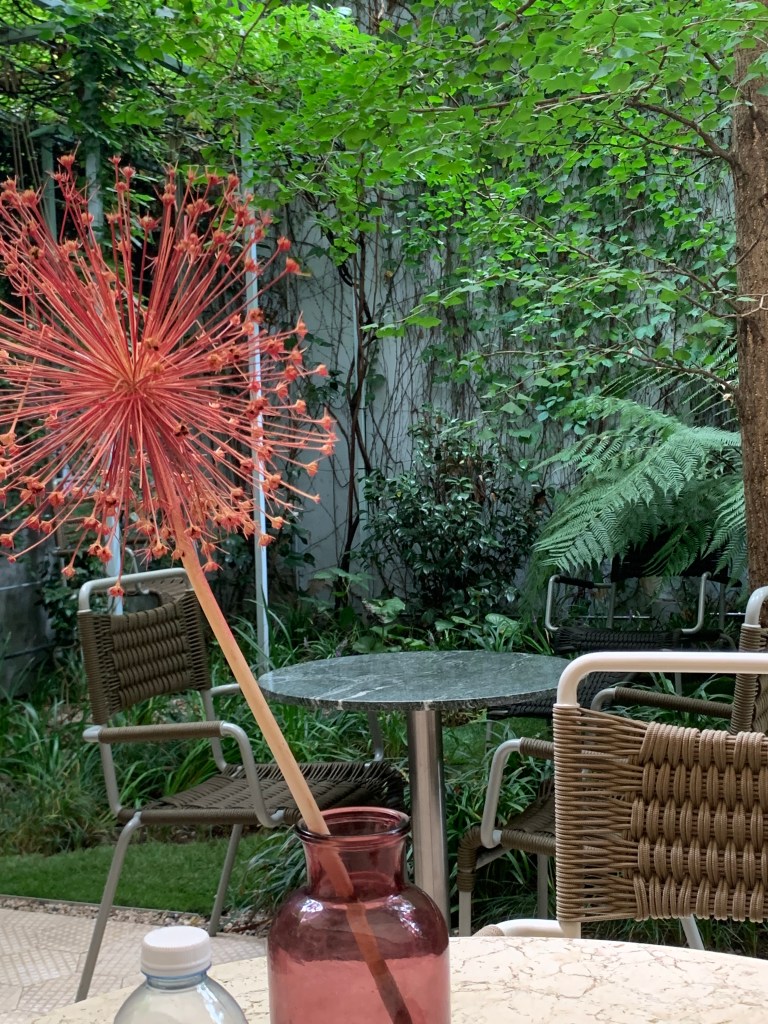
Senato Hotel is the former home of the Ranza family, who converted their neo-classical residence on Via Senato into a hotel and now operate the 43-room property. We arrived via taxi from Milan’s central train station and stepped from the almost-always bustling street (Via Senato is one of the roads that rings central Milan) into a tranquil lobby that adjoins the central courtyard, the expanse of which is covered by a shallow reflecting pool. Because we were quite early and our room wasn’t ready, we settled into the garden space of the café for a cappuccino and the “salad everyone loves” (we loved it too) before checking into our room. On our way back to the registration desk, we paused to admire the tillandsia collection, which is tended by Milan-based gardener-landscape duo Bonanomi Benatti.
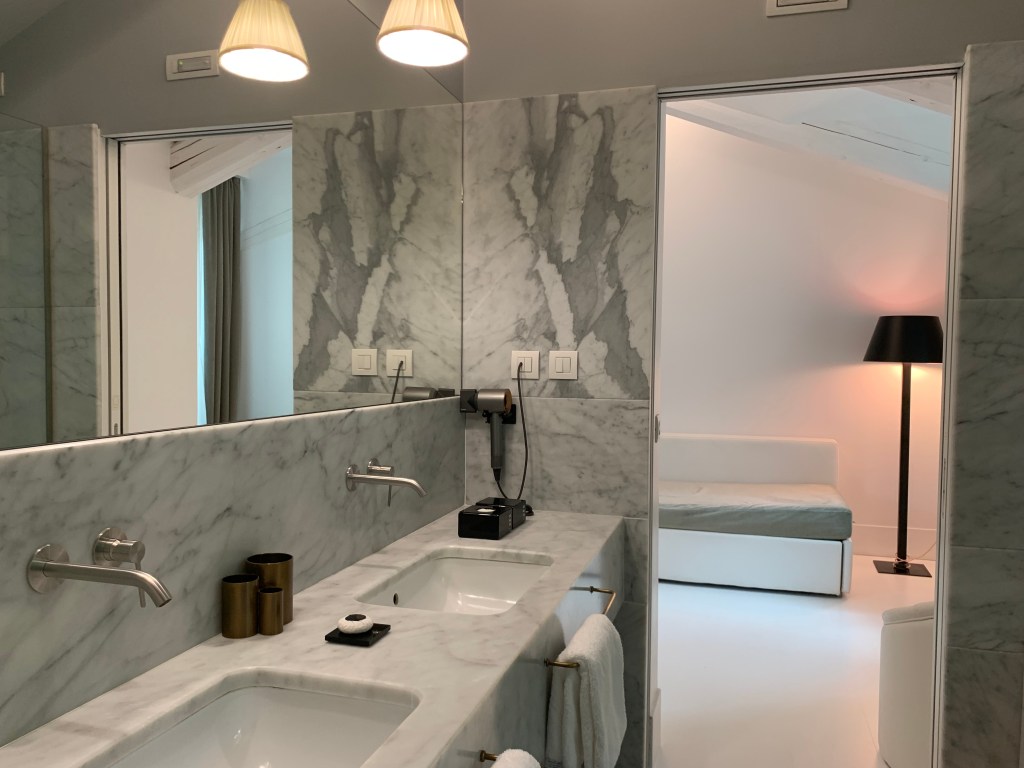
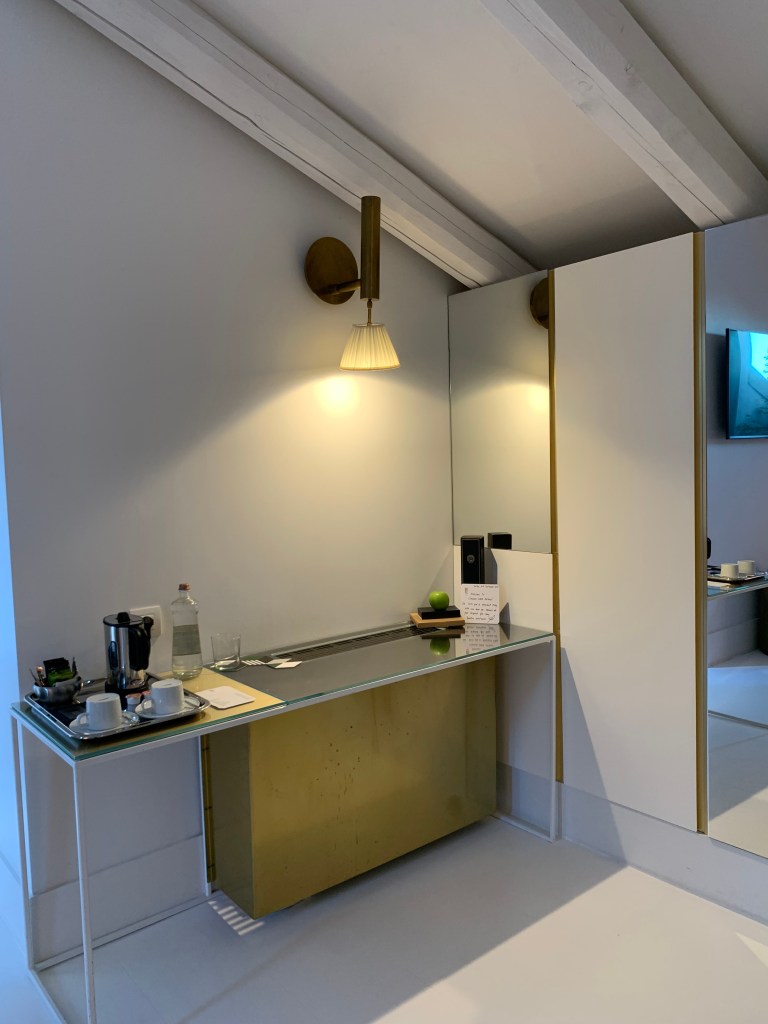
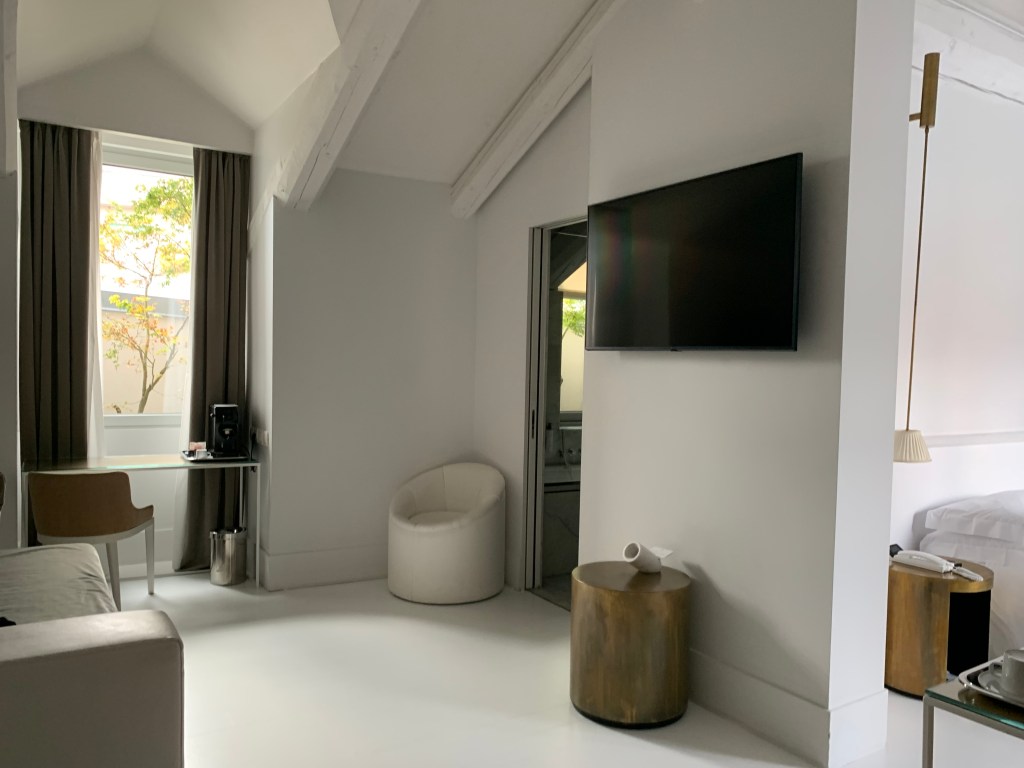
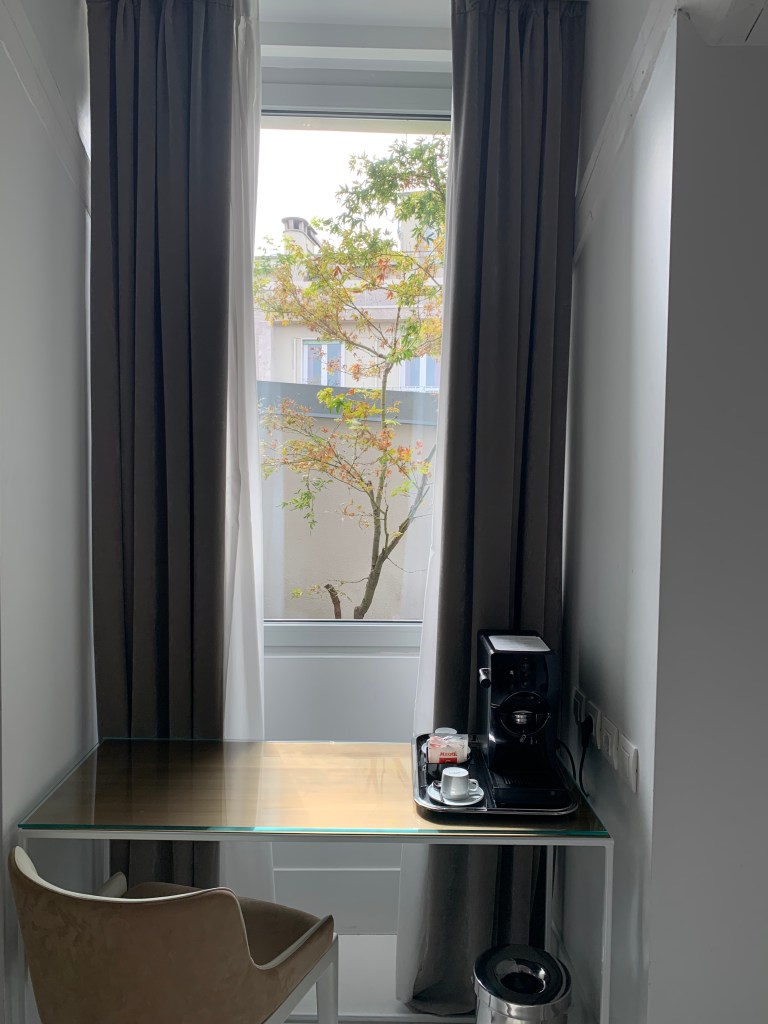
As we exited the elevator on the top floor, we were greeted by a skylit corridor with angled roof beams and only one other room besides ours. We felt a little like we had been given a passkey to a secret attic chamber. Our room at the end of the hall – the Senato Junior Suite –  was really three rooms: a living space with daybed, desk, coffee and tea bar, and large closets; a bedroom with a big terrace, and a beautiful Carrara marble bathroom with a separate water closet.

In our suite, the white floors, walls, and beamed ceilings served as a neutral and cheery palette to highlight the custom-designed furnishings made by Milanese craftspeople and well-chosen lighting and accessories. The room felt clean and uncluttered, and we appreciated that every surface wasn’t covered with something. This allowed the architectural elements of the room to shine, and we loved that the structure of the building was incorporated into the room’s design. (Side note: On this holiday, we had an unplanned overnight in Amsterdam, and were able to stay in one of our very favorite hotels, The Dylan. The room at The Dylan was also on the hotel’s top floor and featured attic-like ceiling lines with exposed beams. Both Senato and The Dylan do a fabulous job of capitalizing on a building’s architecture.)

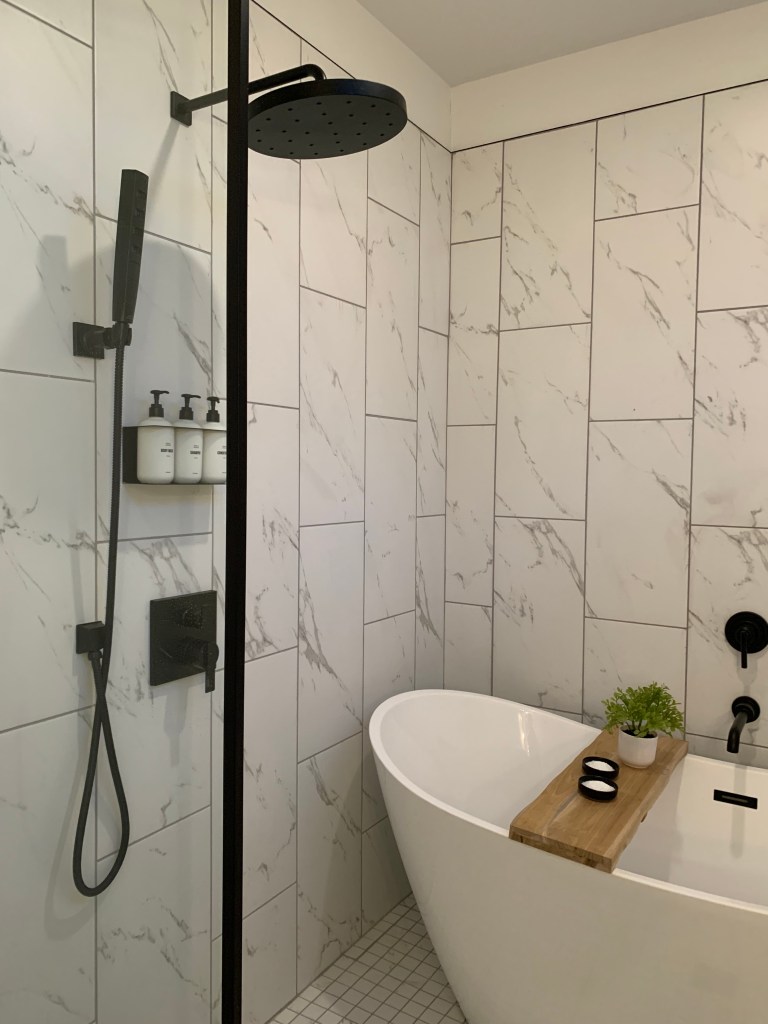
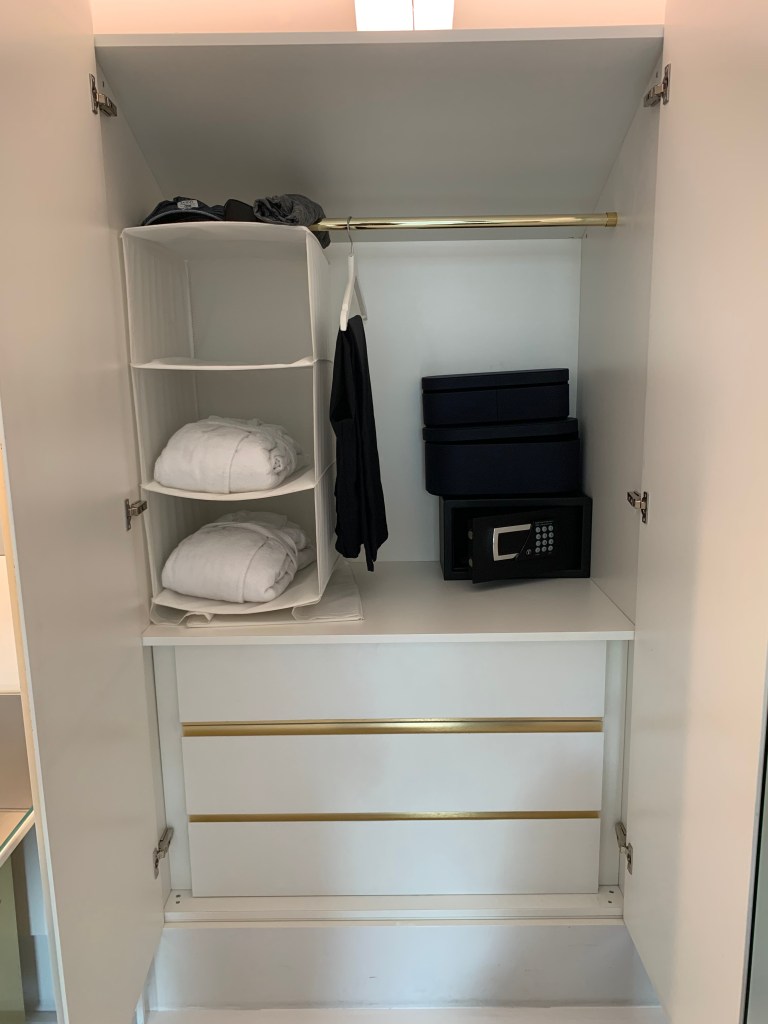
When we’re staying somewhere for more than one night, we like to unpack and stow away our luggage, which is never more than two carry-ons and a backpack. The large closets in our suite featured drawers, shelves, and hanging space that allowed us to put our clothes and our bags behind closed doors. In the bathroom, a long vanity with two sinks provided room for both of us, and we appreciated the separate water closet with toilet, bidet, and free-standing sink. The bedroom – also simple but beautiful – was oriented toward the terrace and the courtyard; we loved sleeping with the doors open and couldn’t hear any of the activity down below.

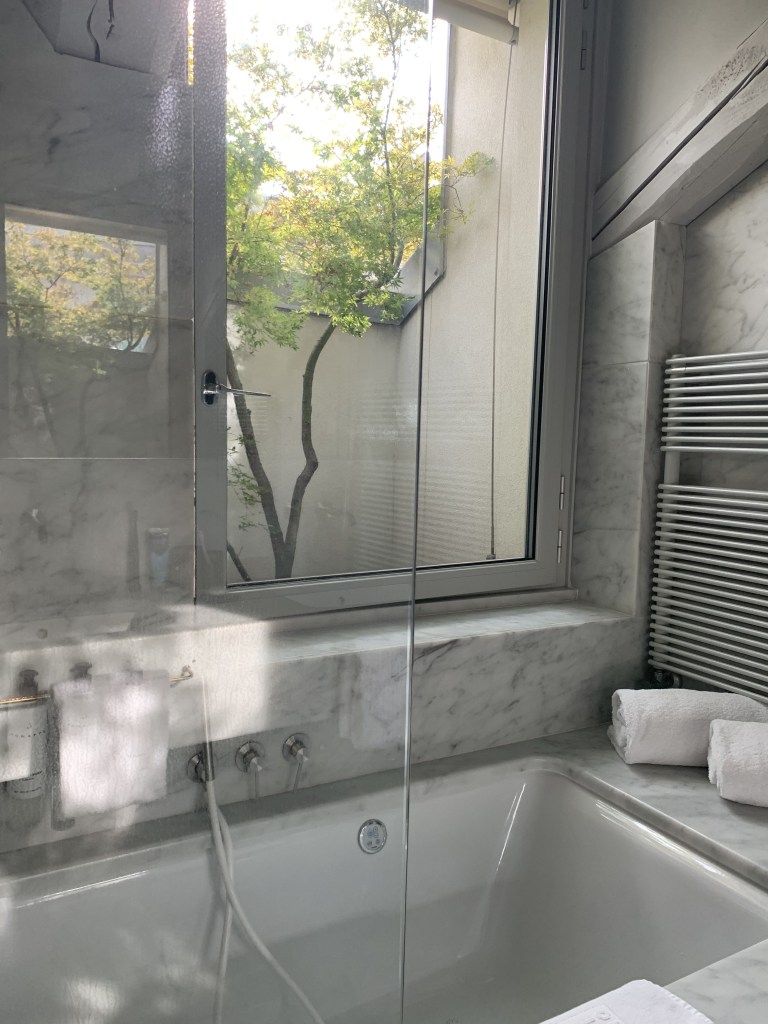
Our room featured two dormer windows oriented toward Via Senato: one in the living room and the second adjoining the jacuzzi tub and shower. The particular location of the windows in relationship to the rest of the building was the topic of some debate because we couldn’t see them from the street, but we eventually concluded, based on the footprint of the 5th floor, that they were likely set back from the rest of the building. Both of these windows were encased in short walls, and a lovely little tree – perhaps a maple or plumb – was planted outside each one.

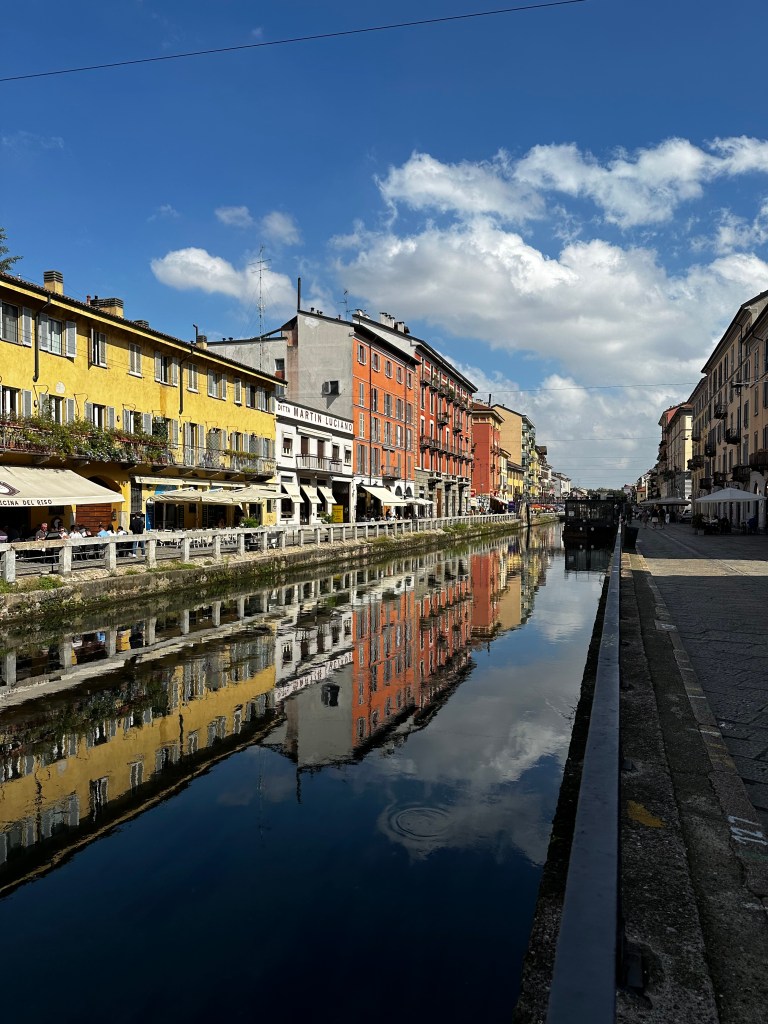
When we were at the hotel in early October, the trees were just beginning to change color for autumn. Taking a bath or shower in a rooftop room with a view out to a live tree made our suite feel like a sanctuary. We will note that neither these windows facing the street nor the glass doors to the terrace afforded any kind of panoramic view, but that didn’t bother us; after all, a view is what the terrace of the Duomo is for!

Our second favorite feature of the Senato suite was a marble sculpture that served as a speaker for playing music from our iPhones. The OVO amplifier worked so well that we were tempted to bring one home, and the hotel shop sells them, but carrying home something made of Carrara seemed a little weightier than what we had in mind.

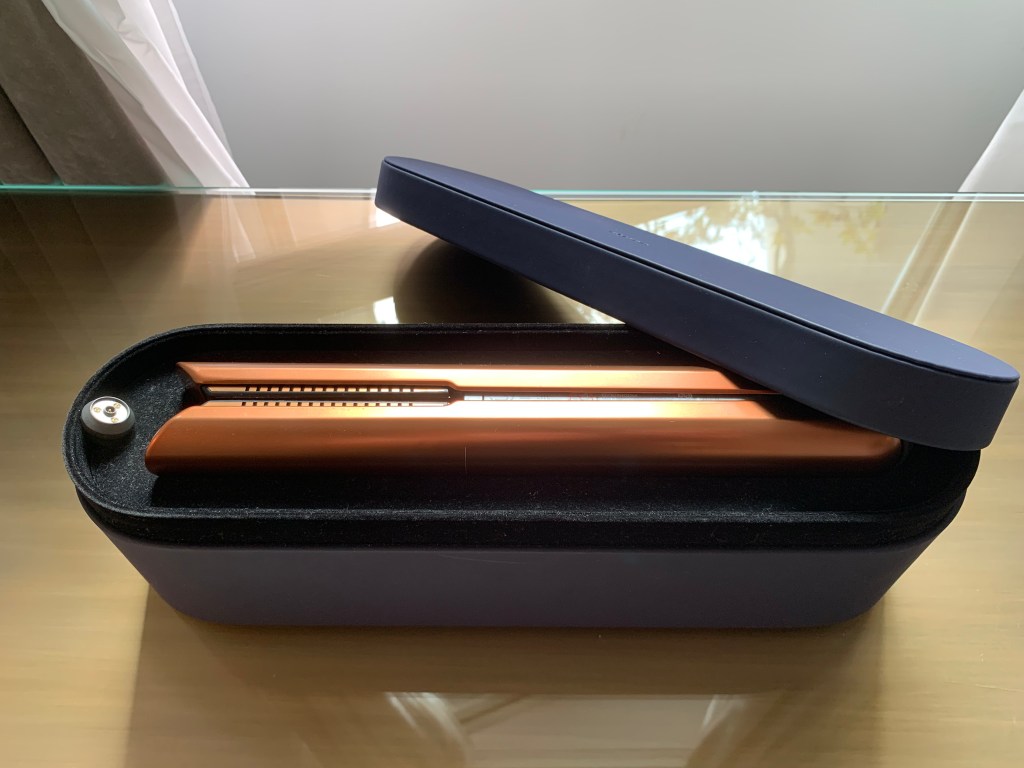
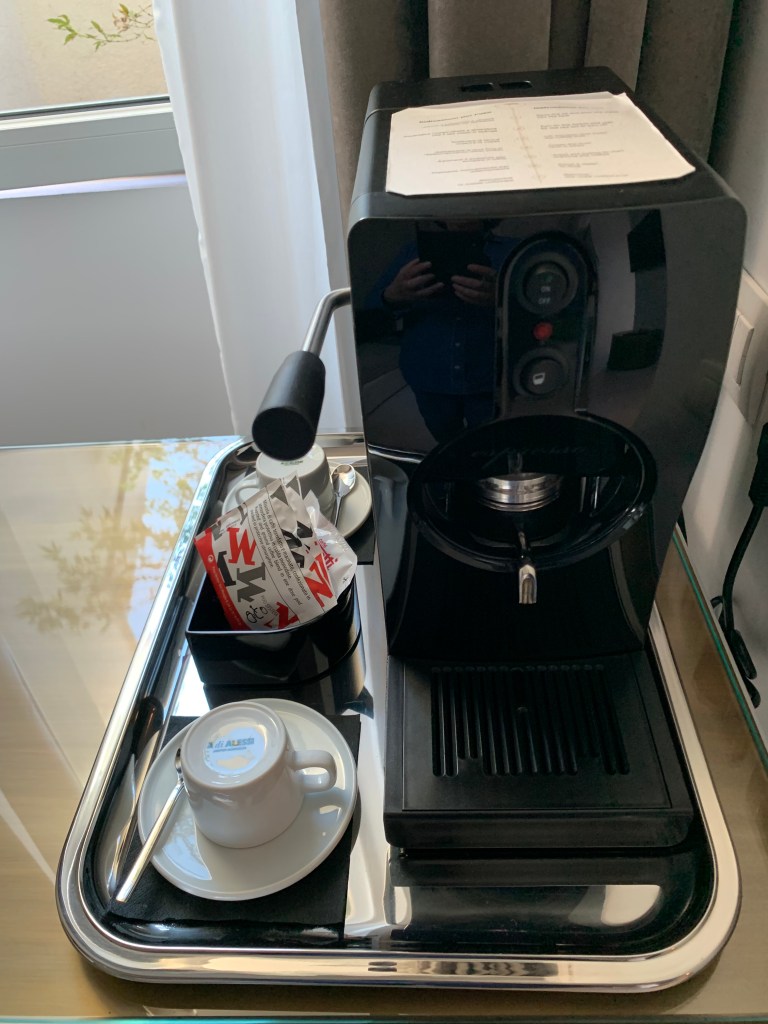
Following the theme of design and function, we both loved the espresso machine that allowed for a customized espresso shot. And for one of us, the Dyson hair dryer and hair straightener – the equipment our hair stylist uses – felt luxurious and came in very handy on the days it rained.  

We arrived in Milan after a short stay in Como at a vacation apartment that we found on the Plum Guide. While that experience was worth trying, we looked forward to checking into a hotel, and we were hopeful that our experience at Senato would match our expectations. It did; we loved everything about Senato. From the central location that provided easy access to all of Milan’s charm to the understated calm of our top floor oasis, everything worked. The Ranza family can certainly count us among its fans, and we can’t wait to return to get to know the hotel and Milan a little better.

Back to HOTELLING home

Santa Monica, California, USA ~ Shutters on the Beach

This weekend trip to Santa Monica served as a condensed re-do for a Southern California vacation we had planned the year before but had to cancel last-minute. For that longer holiday, we had chosen Santa Monica Proper, which is still on our list (it looks terrific), but because we had only one full day in California, we wanted to be closer to the ocean. Shutters on the Beach – as the name implies – is directly on Santa Monica beach and very close to its famous pier, so we figured it would give us the quintessential LA experience. It ended up being a California hotel in Cape-Cod clothing, a combination that worked just right for what we wanted.


Our flight arrived at LAX at 10:30 in the morning, and we were at the hotel by 11:15. (Worth noting: For any visitors to LA trying to fit maximum fun with minimum time in a car, Santa Monica is a good choice.) With such an early arrival, we were prepared to drop our bags and return later for check-in, but the hotel had a “partial ocean view” room ready to go. After getting a helpful explanation from the staff member at the front desk about the difference between “partial ocean view” and “ocean view” – an explanation that included a hand-drawn diagram and his personal assessment of both choices – we decided to go for the room that was ready so we could get settled and get on with our weekend.


The route to our room took us from the street-side lobby – a space we didn’t appreciate right away but later understood why it’s called the “living room” – up one elevator to the pool level on the third floor, down a corridor, into a second elevator, up to the sixth floor, and then around the corner to our room on the opposite side of the horseshoe. Upon exiting the first elevator, we stepped into an inside/outside space with – you guessed it – shutters separating the in from the out. At that time of day, the shutters were wide open, and a cool breeze coming in from the ocean blew through the corridor. When we left the second elevator, we were happy to see that its hallways were the same with guest rooms on one side and shutters to the outside on the other.

It didn’t take long for the shutters in the hotel – literally counting every one we encountered – to become a bit of a game for us. We discovered that navigating through the hotel was best done via stairs whenever possible, and those stairs led to many combinations of spaces divided by shutters. Reading this may lead you to think that the hotel took the shutters theme a little too far, but it seemed to work both from an aesthetic sense and a practical one. The shutters provided multiple options depending on the day’s weather: shade without stuffiness, air flow without wind and heat, and the perfect level of darkness for sleeping in without sleeping all day. It felt as though a member of staff – invisible to guests – was in the background constantly adjusting the shutters to match the current conditions.


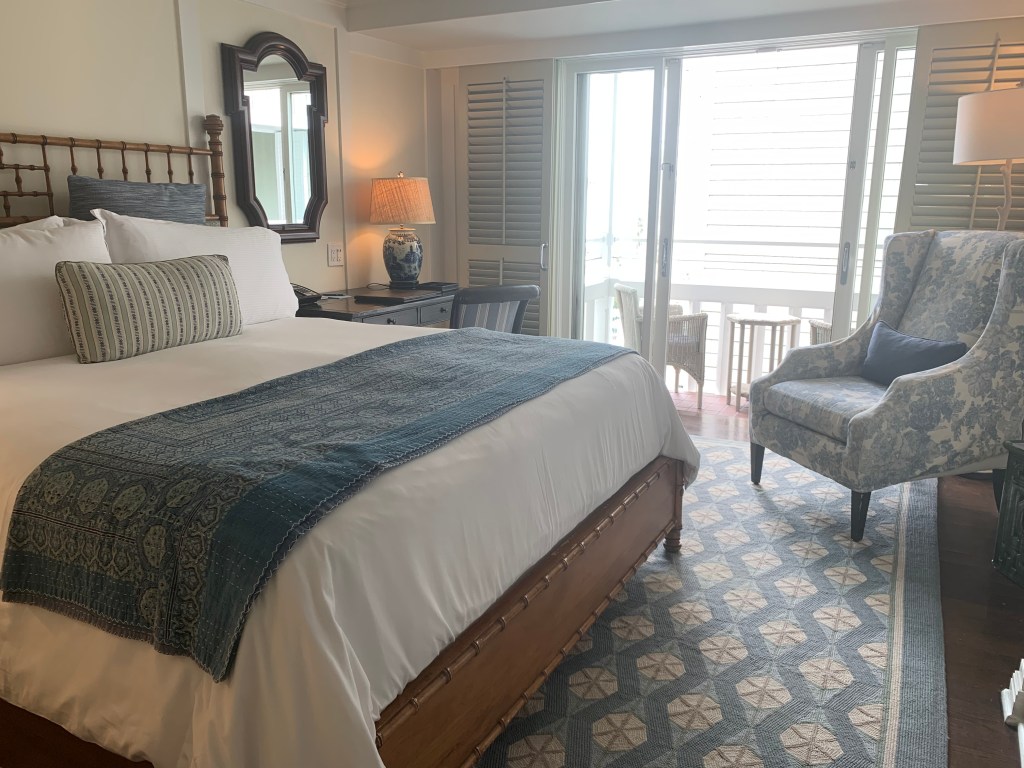
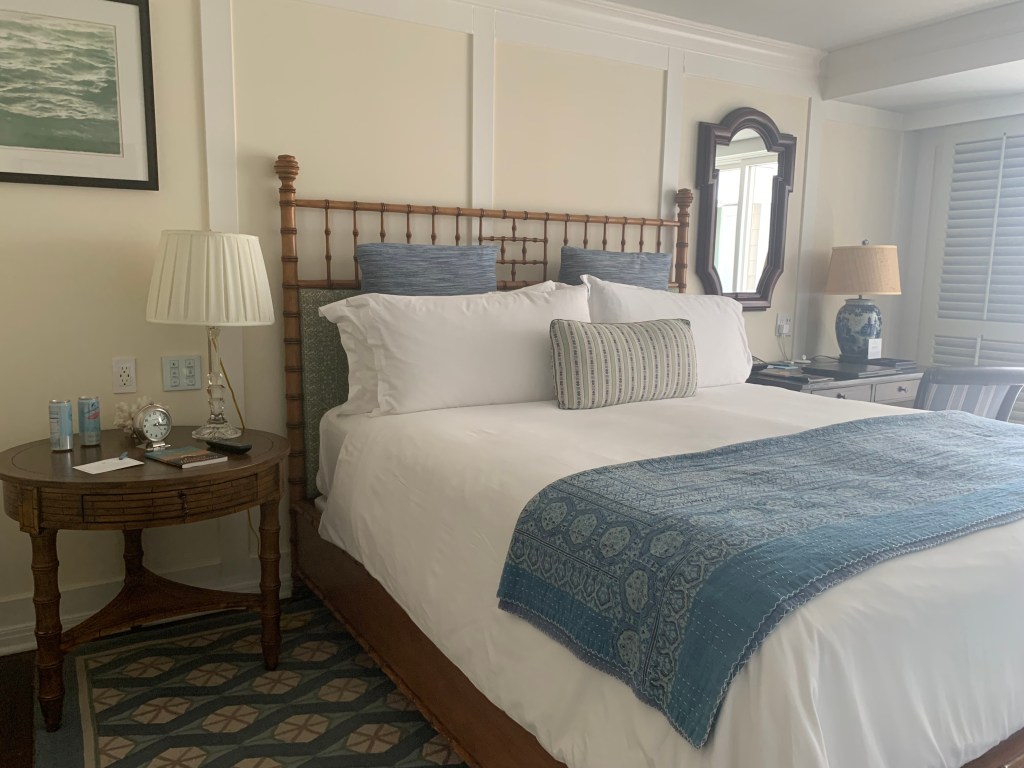
The hotel’s website advertises it as “an acclaimed Santa Monica beach hotel” that “recalls the quintessential cottages of Cape Cod.” We’ve never spent time in one of these cottages, but the guest room and common spaces did make us feel like we were staying at the home of friends…in all the best ways. Shutters features nearly 200 rooms and suites, so it isn’t a small property – certainly not a cottage – but the design and décor were personal and intimate. Our partial ocean view room on the 6th floor had a perfectly lovely view of the ocean from its sliding doors and balcony. (A second note: Santa Monica beach is quite wide; an ocean view room is still a good distance from the ocean even if it’s right on the beach). And while we loved looking out to the beach and ocean, we spent as much time studying the contours of the building – its shingles, balconies, stairs and, yes, shutters.

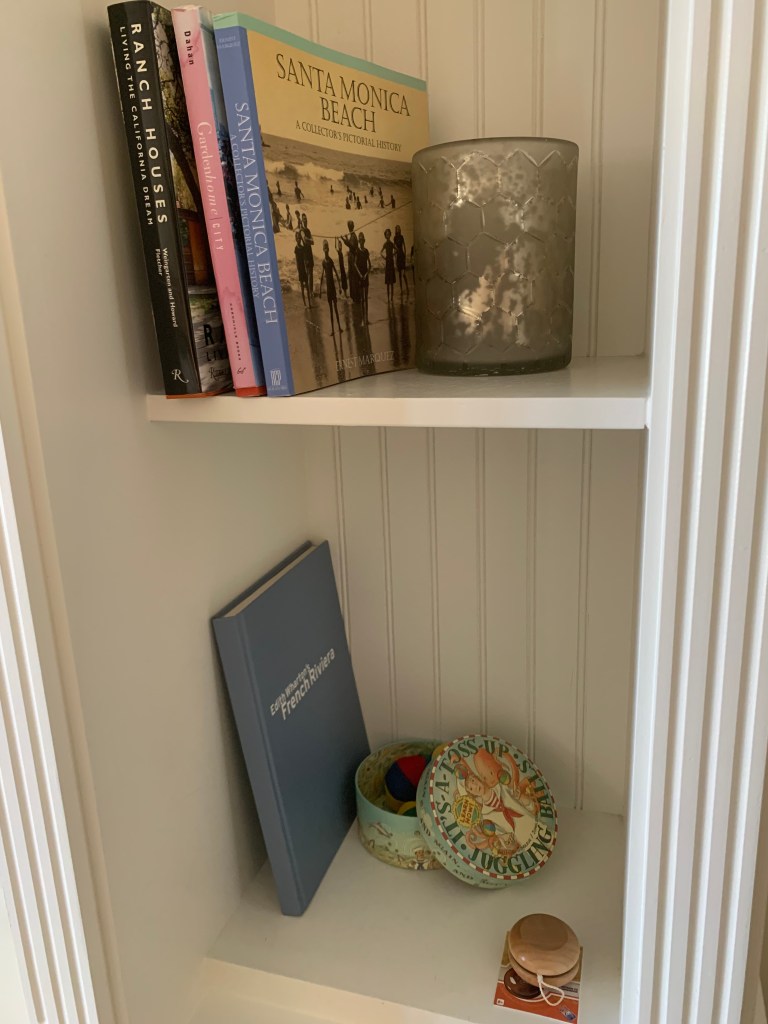
The room’s interior felt non-corporate with bookshelves holding books we actually took time to peruse; a large round bedside table with a piece of coral, a push-button alarm clock, and a copy of Hemingway’s Old Man and the Sea; and a slipcovered wingback chair next to a Chinese ceramic lantern. Some of the furniture had a few scratches and dings, but as we settled into the Shutters vibe, we began to question whether it was purposely distressed – an effort at making us feel like visitors to a friend’s house and not anonymous hotel guests.

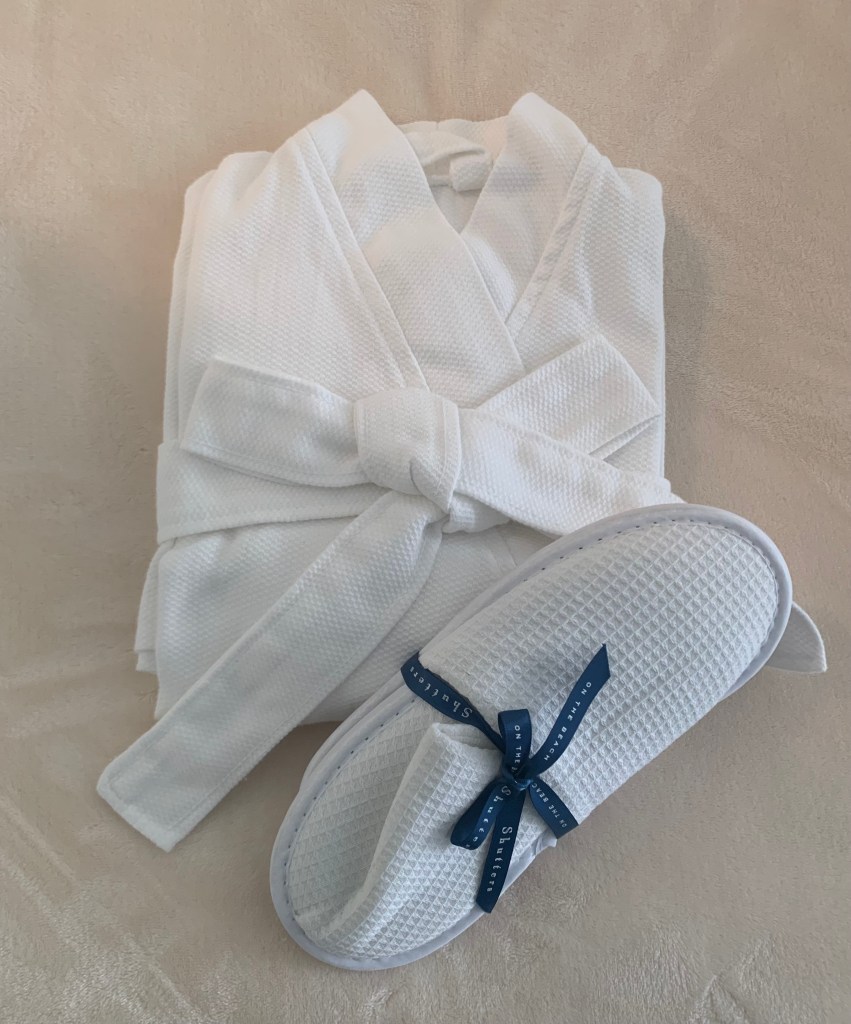
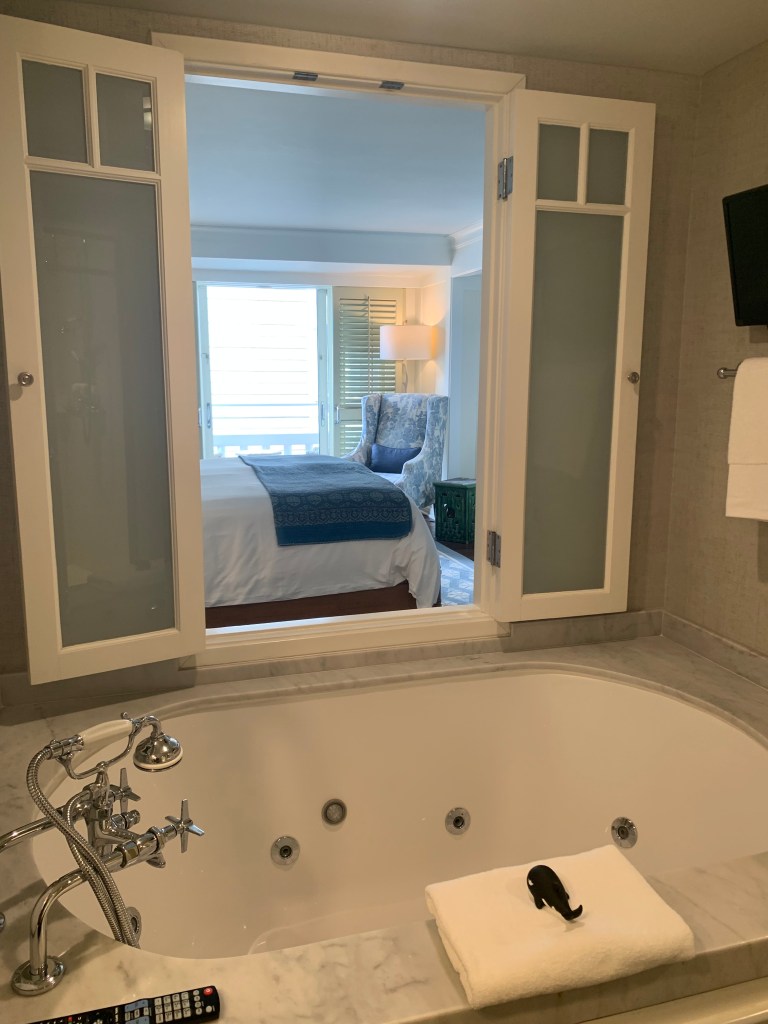
When we first arrived in our room, it was set up for an extra guest – a kid – with a rollaway bed and a kid-sized robe and slippers. We’re not sure whether the rubber whale bath toy was for the kid or for all guests, but we appreciated the effort the hotel took to welcome its younger customers even though we were only a party of two. We’re pretty sure our early arrival got in the way of someone else’s request, but after a quick call to the front desk, everything was whisked away to, we assume, another room for the party of three.

Our favorite part of the room was the opportunity it provided to sleep on the ultra-comfortable bed with the shutters only partially shut and the fresh, cool air coming in all night.  We also enjoyed coffee in the morning on the balcony (the first morning, we made it ourselves from the Nespresso machine; the second morning, we went down to the living room where it was already brewed and waiting for us). And the deep tub, also separated from the bedroom by shutters, so accessible to the fresh air, tempted us in. When, by the way, is the last time you’ve seen a hotel supply a real candle and matches next to a tub?

In our room, we encountered a few things we would change in a perfect world. The aforementioned Nespresso machine was tucked away in a cabinet with no obvious place to set it up if we actually wanted to make coffee. With that said, the housekeeping staff noticed we used it on our first morning and made space for it on the desk for day 2.  (Note # 3: The hotel staff was exceedingly attentive and friendly during our stay; a stand-out moment was a staff member noticing us sitting on the balcony in the afternoon and handing us two cans of water across the railing from an adjacent balcony.)

Other small observations: The mini bar and the cabinet near the bath with lotions and potions were secured with a zip tie, which seemed like a mismatch for the clientele the hotel was clearly trying to attract. And the deep tub with the real candle had jets that didn’t work. This didn’t really bother us, and the hotel was quick to respond with a restaurant credit when we reported it upon check-out, but it seems like something that should be on a punch list with each room turnover.


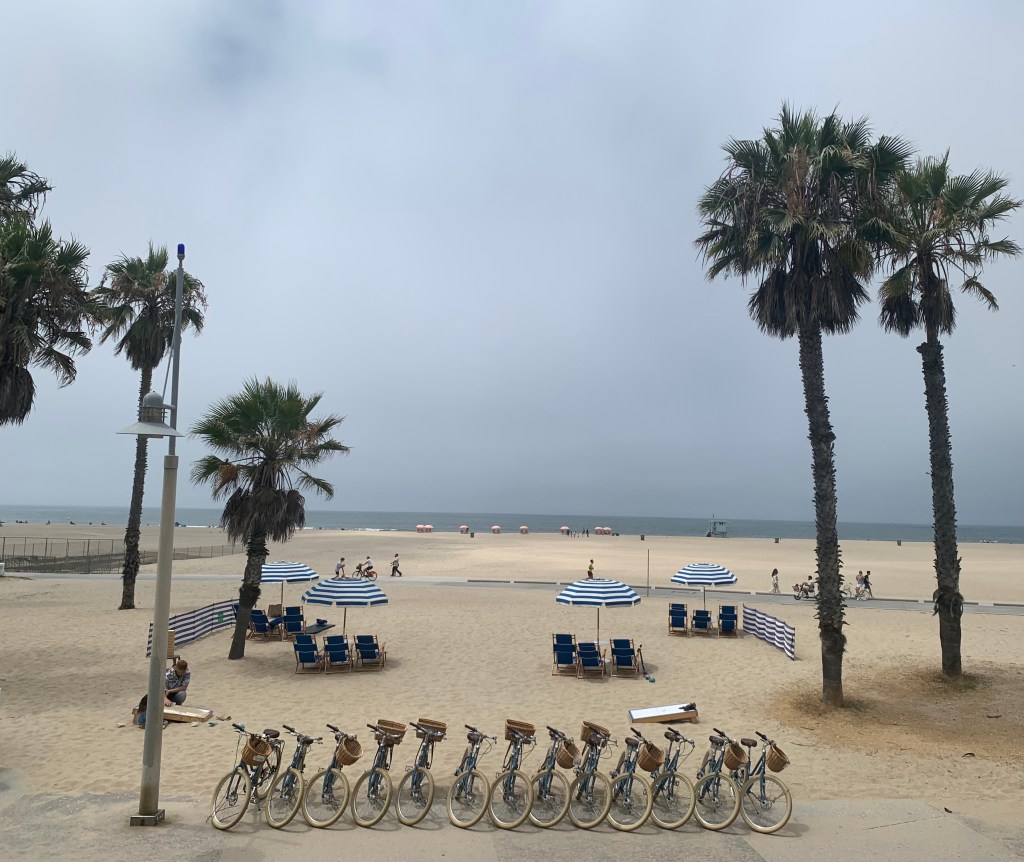
We didn’t have much time, but the hotel helped us make the most of it. Our first adventure was a bike ride along the Marvin Braude bike trail. The hotel set us up with two cruiser bikes, and we headed south toward Venice. We intended to take another adventure north but didn’t manage to fit it in. 

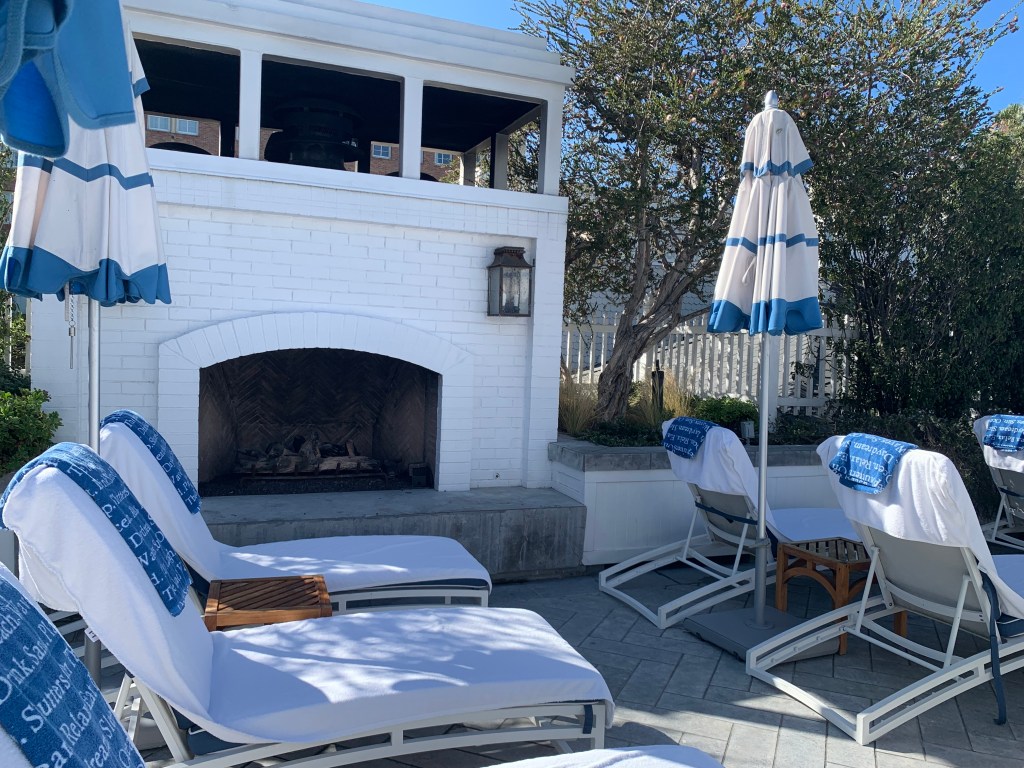
If you’ve read other blog entries from us, you’ll know that we love the ocean and the beach, but we aren’t avid swimmers and sunbathers (with the exception of time spent in the Caribbean Sea in Puerto Rico). More often than not, on warm-weather vacations, we end up at the pool under the cover of an umbrella, and the Shutters pool was a really nice spot to recline, have a cold beverage, and catch up on some reading. When we were there, it was full of kids – cute kids – so we didn’t actually get in the water. But we loved the energy of the space, the view out to the beach and the ocean, and the big fireplace that made us want to come back when the weather would call for sitting on a lounger in a warm sweater.

On the day we checked out, we made time to do a self-guided tour of the hotel’s art collection. When we first arrived, we noticed a handful of terrific pieces hanging in the lobby but only later came across a booklet with a self-guided tour of 30 prints from the likes of David Hockney, Jasper Johns, Cales Oldenburg, and Alex Katz. (We’re now realizing that there is representation from only one woman: Yayoi Kusama.) We had a lot of fun wandering through the living room, the hallways on the main level, entries to the restaurants, and the meeting rooms to view and read about each pieces. It was like having a semi-private visit to a museum; we could linger as long as we wanted, and the only people we encountered were focused on other things, but they seemed to recognize and appreciate what we were up to. The art tour was the perfect diversion before we checked out and headed back to the airport and back to real life.


Back to HOTELLING home

Playa del Carmen, Mexico ~ Thompson Main House

We have a pretty good track record with hotels. From five-star properties with big reputations – where we expect exceptional experiences – to more under-the-radar finds, we typically love the hotels we choose, and this makes writing about them a joy.

But either we missed the mark with Thompson House, or it missed the mark with us.

Our choice of the Thompson Playa del Carmen Main House, which is right in the center of this beach town, was driven by a handful of things. First, we wanted a warm vacation and didn’t have time to do something complicated. We’ve had terrific experiences in Mexico – particularly in Mexico City and Valladolid – and the Riviera Maya is indisputably beautiful.

When many vacationers think of the Yucatan Peninsula, they think of beachfront resorts. For us, resorts are perfect for a few days, but beyond that, we tend to feel trapped, particularly in properties far from towns or cities. Our last few vacations involved moves halfway through, which worked out well, but for this trip, we wanted to get someplace and stay put.

For a seven-night stay, we thought being right in a town but near a beach would be ideal. We looked at Tulum but didn’t find anything intriguing, and one of us had been to Playa del Carmen 20 years ago and remembered it fondly. Thompson House showed up on a few of our go-to references, and it seemed like it had potential to be a fun detour from a typical Mexican beach vacation.


Our hour-long drive to Playa del Carmen from the Cancun airport was smooth, and a driver arranged by the hotel dropped us right at the front door (we’ll admit, by driving down a pedestrianized street). Upon checking in, we were told that the room we had booked was not available because the air conditioning was broken, but it would be ready the next day. The reception staff – in an extended back-and-forth text conversation with someone who was apparently the manager – seemed to be trying to figure out what to do with us. In the end, they said they would put us in another room and waive our resort fee as recognition for the inconvenience. So much for getting to one room and staying put…but we understand that things happen, and sometimes adjustments have to be made.

Our first room – a king room – was a downgrade from the suite we had booked. This occurred to us after our credit card had been charged but before we headed to the room. We noted this to the staff member at reception, and she said she would talk to the manager and get the charge adjusted. By that point, we were more than ready to get up to the room – and the manager didn’t seem accessible – so we said we would check back the next day when we moved rooms.


When the Thompson House opened in 2015 (we stayed in the “main” house; there is also a “beach” house), it must have been stunning. Its modern, curved façade; hallways and rooms with shiny stone floors and dark wood walls; floor-to-ceiling windows; big balconies; dramatic common areas; and an expansive rooftop pool with a bar and restaurant on either end were indisputably eye-popping.

But nine years had not been kind to Thompson House, and it seemed to us that from the moment the hotel opened, it started to decline. Of course, hotels take constant maintenance and continuous attention to service and amenity standards; we certainly understand this challenge. However, during our weeklong stay, it became clear that Thompson House wasn’t getting the attention it needed or deserved, and this showed up in ways big and small.


We didn’t take time to settle into our first room because we knew we would be moving, but in some ways, the first room was better than the suite we would occupy for the remainder of our stay. It was in the middle of the semicircle and a little sheltered from the street noise below (more on that later); it had a nice seating area, a big shower, lots of storage, and fresh air conditioning. The room was a little dark, and it looked out onto the faded metal roof of the shopping center that is part of the hotel complex, but the mid-century aesthetic was a fun detour from traditional Mexican or typical beach designs. What’s more, everything in the room seemed to work.

The transition to our second room – the one we originally booked – didn’t go smoothly, and to be honest, midway through day 2 we weren’t sure we would actually make the move, as we got vague responses to our several inquiries. But in the late afternoon, a very kind porter escorted us upstairs to make the key exchange. Room #2, which had a pie-shaped footprint, was light and airy with wrap-around windows; a shower with a sliding door to the balcony, which had a deep soaking tub; and lots of space. Because this room was situated on the end of the semi-circle, we had better views out to the streets below and also a fun canopy created by a giant kapok tree. Just as we thought about the rest of the hotel, we could imagine how the room must have looked when it first opened.

And like the rest of the hotel, the room was showing its wear. The leather headboard of the bed had worn spots; the drapes that stretched the full length of one wall needed to be cleaned, as did the furniture on the balcony, which left black smudges on our clothes; the coffee cups didn’t sit squarely on the mismatched saucers; one of the sinks didn’t properly drain; the toilet ran continuously if we didn’t jiggle the handle just right; the soaking tub had hot water only on request; the room smelled musty whenever we closed the balcony doors and turned on the air conditioning; and each time we took a shower, we had to wipe up loads of water from the bathroom floor. We’ll admit, this list sounds long, but these weren’t fatal flaws. We know things can be worse. With that said, we also didn’t expect these kinds of issues from what seemed to be the premier hotel in town.


In our new room, we soon realized that we were right above an “attraction” where, for a fee, tourists could pet – and get a picture with – a baby tiger. From about 8:30 in the morning to well into the night, we would hear employees calling out to tourists, “Hey guys, do you want to pet a baby tiger?” Add this to the competing mariachi bands on the street and the club music coming from every surrounding restaurant and club, and we felt a little like we were in the middle of a theme park for adults.

Because our room wasn’t exactly an oasis, we sought other spots for relaxing. The rooftop pool, like the rest of the hotel, was surely beautiful at one time and was clearly designed to provide lots of amenities. But most of those were gone or on hiatus, and the pool was so cold that it was impossible to get in without getting chilled to the bone.

Thompson’s sister property – the Thompson Beach House a few blocks away – is available to all Thompson guests. Our afternoon visit there, however, was also disappointing. After looking around a little, we found a lounge chair that wasn’t too dirty (most of them needed a good scrub), but nothing was on offer in terms of services. Instead of hearing the call to “pet the baby tiger,” we got the sounds of drills and saws in the property’s restaurant. At least, we thought, renovations were underway.

As the disappointments with the hotel grew, we decided to lower our expectations, but even then we seemed to be foiled at every turn: Our tickets for the ferry to Cozumel ordered online never arrived; our search for seven art galleries listed on Google maps turned up not a single one (most were places trying to sell a time share); and the tequila we bought to make margaritas in the room ended up all over the floor – along with the bottle that broke into what seemed like a thousand pieces –  when the shelf of the mini fridge collapsed and sent everything nearby crashing down.

We’re the first to admit that had we talked to anyone who has spent time in Playa del Carmen, we likely would have been alerted that central Playa is “party, party, party.” And we’ll also say that plenty of people looked to be having a really good time. The whole thing just wasn’t our cup of tea – or, shall we say, our shot of tequila.


We’ve noted before in hoteling.org that we tend to prefer independent hotels over properties that are part of a chain. That doesn’t mean we won’t choose a chain, and we’ve had some great experiences at branded properties; the St. Regis, Four Seasons, and Mandarin Oriental come to mind. For our visit to Playa del Carmen, we actually thought that choosing a hotel that’s part of the Hyatt group might be a good idea. Even before we arrived, we were a little uncertain about our choice of Thompson House. It was a curveball, for sure, but having the Hyatt name attached gave us a little comfort in thinking that the hotel would meet a certain standard.

Our disappointing experience at Thompson House, which continues a month later as we try to resolve a problem with the bill, has taught us a lot about what it means to be part of hotel group. The answer? In the case of many affiliations, not much. 

One of the most frustrating parts about our stay at Thompson House was its poor management. The hotel had several kind and well-intentioned staffers who were doing their best to make disappointed guests happy, but the person or people in charge – none of whom we ever saw – were only reachable through a QR code that required texting via the What’s Up app.

Eventually we gave up trying to resolve our issues while on site and decided to pursue them from home through Hyatt rather than directly with the hotel. Hyatt customer service sent us back to the hotel, so we reached out but haven’t received a response. We’ve now gone back to Hyatt with feedback that the hotel isn’t responding, but the effort this is requiring is starting to outweigh our desire to resolve the bill.


Back to HOTELLING home

Hastings, Minnesota, USA ~ The Confluence Hotel

Living with a view out over the Mississippi River, we’ve always thought that river towns have a unique feel, a spirit that evokes travel and the pull of places beyond the horizon. When we heard of a new hotel just downriver from us in Hastings, Minnesota, we knew we’d have to visit, and Hastings is less than half-an-hour away, so the location was perfect for a quick overnight getaway in midwinter.

Hastings is situated where the St. Croix River, fresh from the eponymous National Scenic Riverway, joins the Mississippi on the long journey to the Gulf of Mexico. Following on the heels of its upriver cousin, Stillwater, Hastings is seeing investment in its historic downtown with restaurants, shops, and, now, the historic reuse of an old manufacturing complex, which has been remade into The Confluence, a boutique hotel just west of where the new Hastings Bridge brings you into downtown.

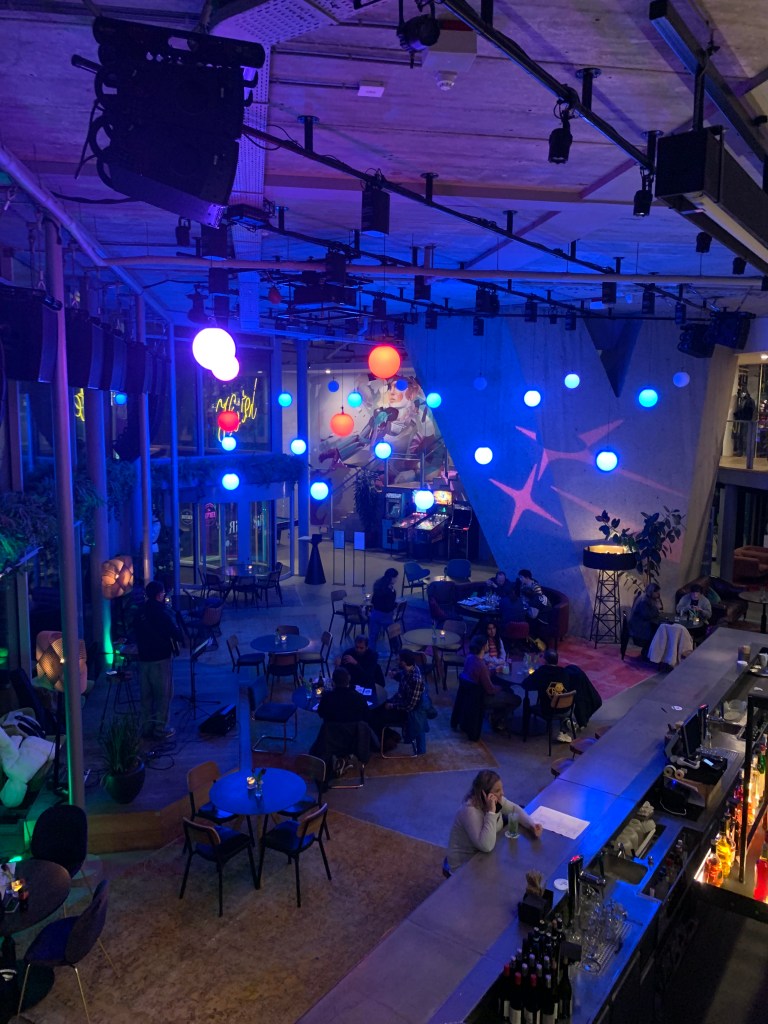
The Confluence opened, after many pandemic-related setbacks, in the fall of 2023. The aesthetic is an architecturally fun, industrial-chic treatment that does a great job of retaining and showing off the bones of the original structure, which housed the H.D. Hudson Manufacturing Company.

The hotel has outdoor spaces looking out over the river that will surely be wonderful in warmer weather, a ballroom, and several wings with hallways that showcase the original wood and steel-beamed roof high up above the rooms that have been tucked into the shell of the original factory floorplan. But the highlight of the public spaces is the lobby/bar/restaurant area, which already appeared to function as a kind of living room for Hastings. Even in late January, the space had a pleasant and inviting buzz about it.

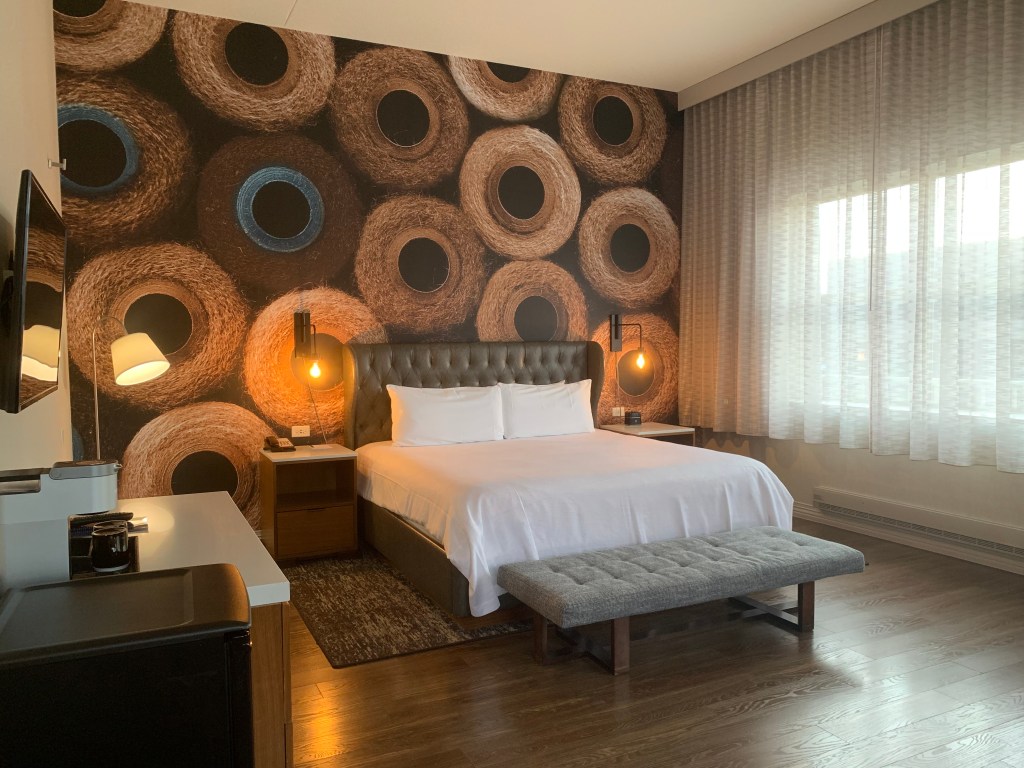
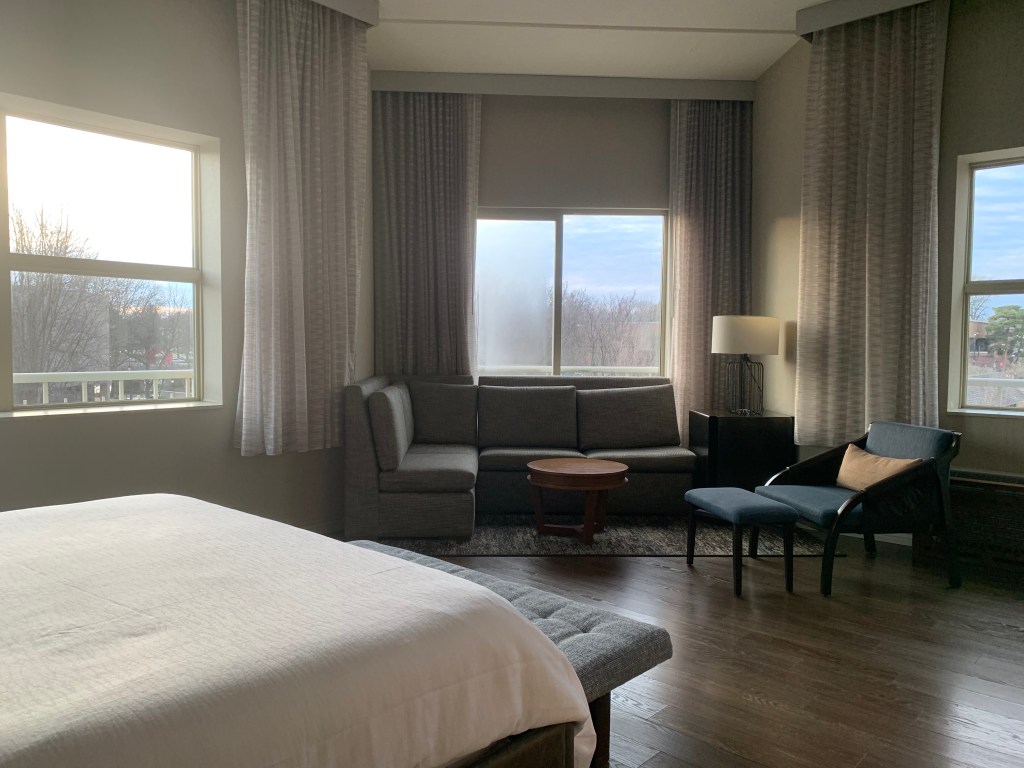
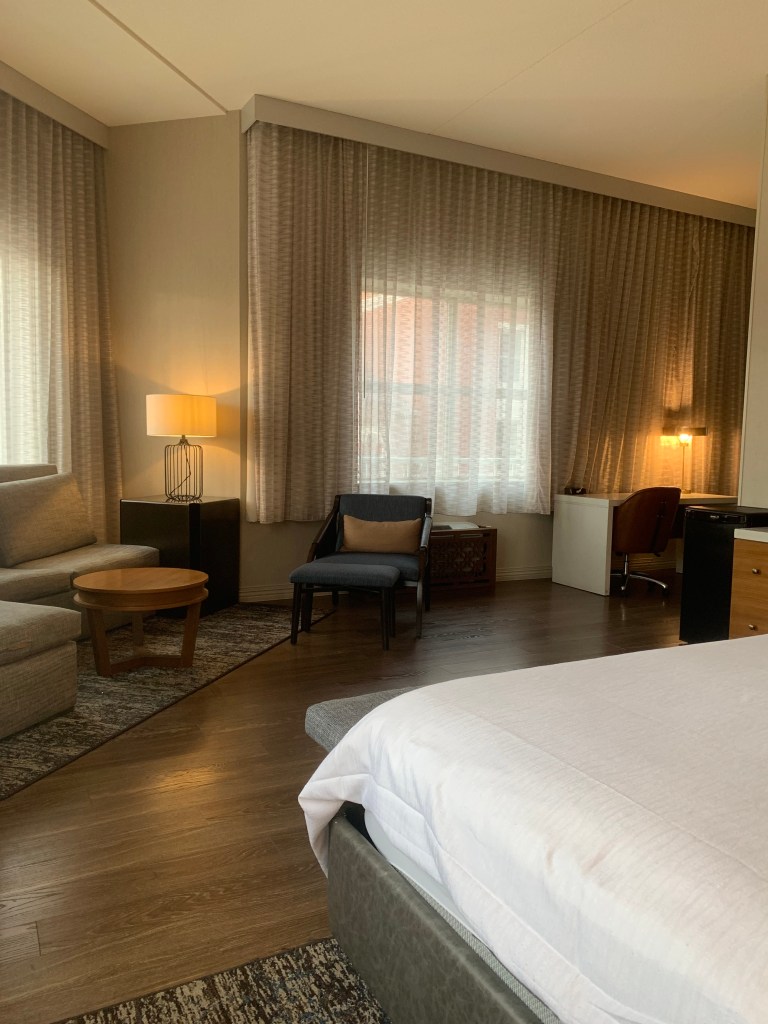
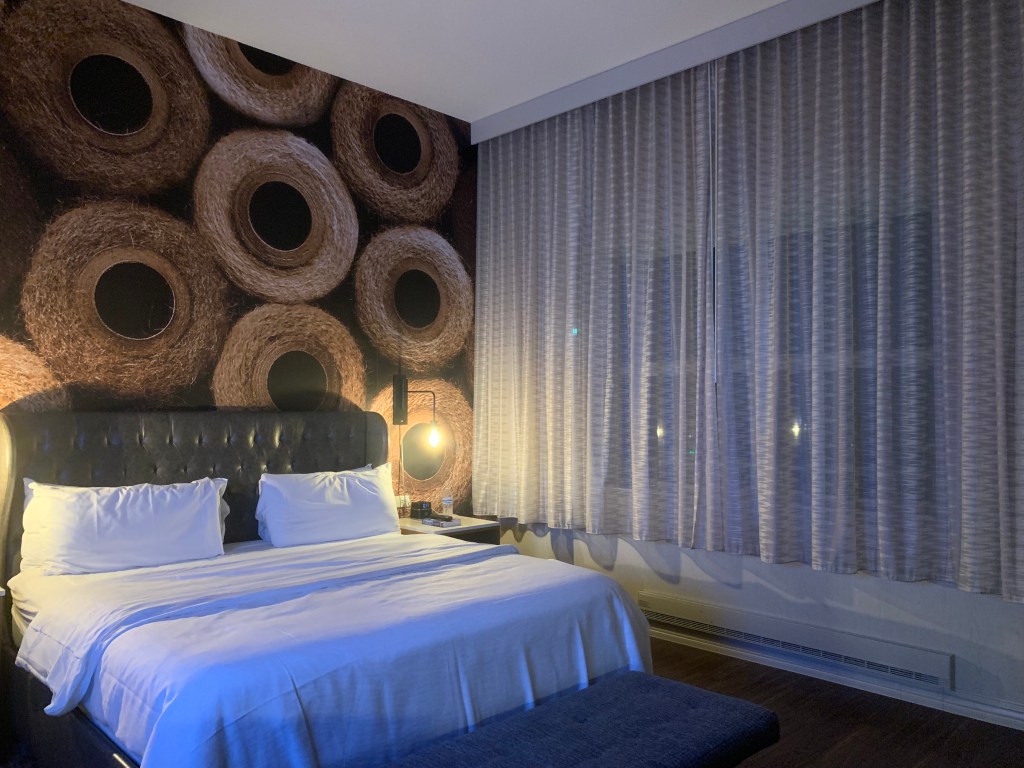
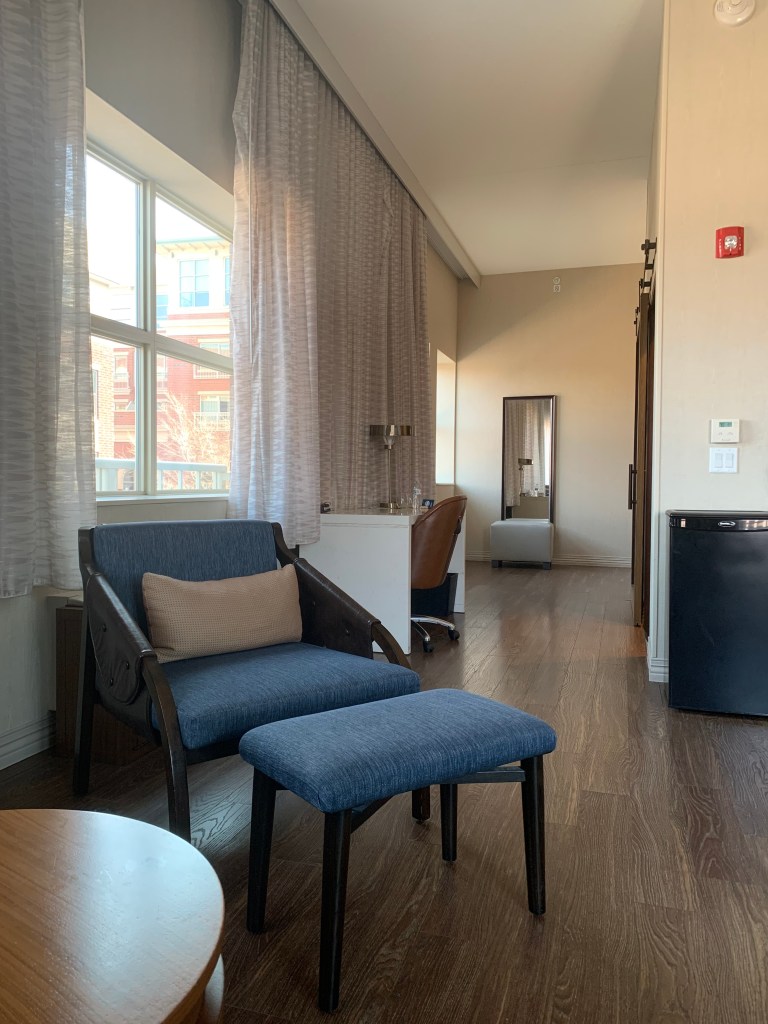
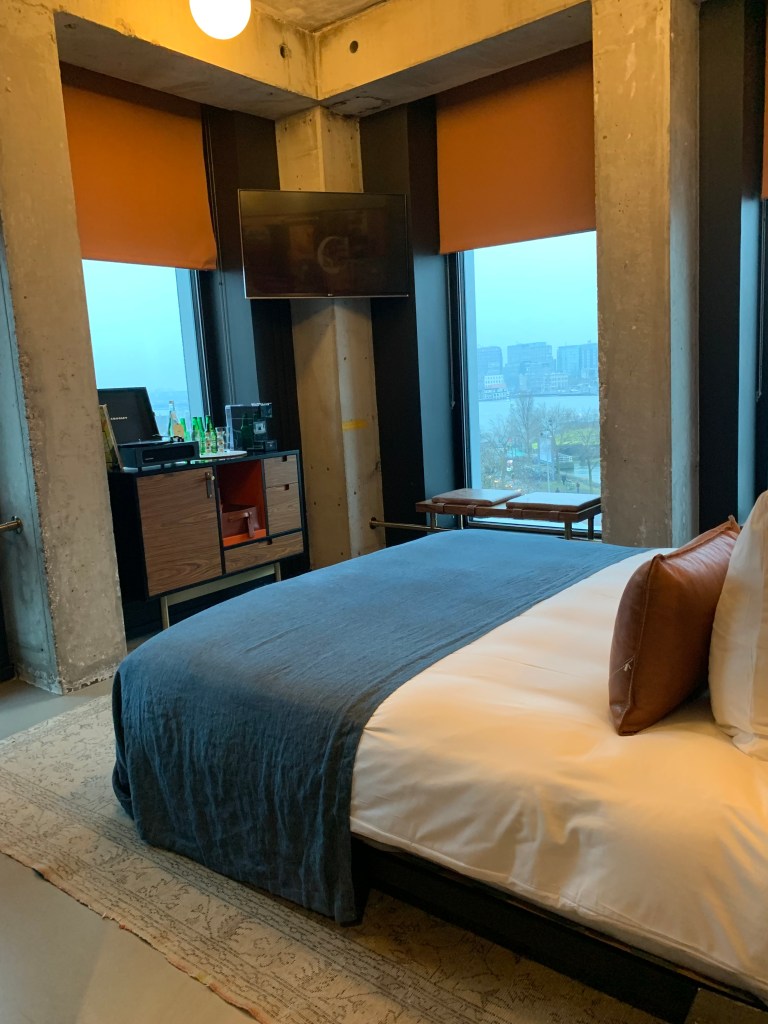
Our room, a king suite, was large and well-appointed, with little to no wear-and-tear, as expected in an almost-new hotel. Although the room worked well functionally, the layout felt a little odd. Likely as an attempt to create a separate seating area (necessary for the “suite” designation?), the TV and cabinet it sat on were situated in the middle of the room, so either the view from the seating area or from the bed — depending on the TV’s orientation — was a view of the back of the TV. We might be extra sensitive to the intrusion of televisions on the design of a space, but this just felt awkward. Additionally, the room had only one window tucked in a corner and blocked from view when we were on the side of the room with the bed. For a building with fabulous windows, we were disappointed to have only one. With that said, upon check-out, we did learn that our particular suite (#229) is somewhat unique in its floorplan, and all of the other junior suites have a full wall of windows. For our next stay, we’ll be sure to request a different room.

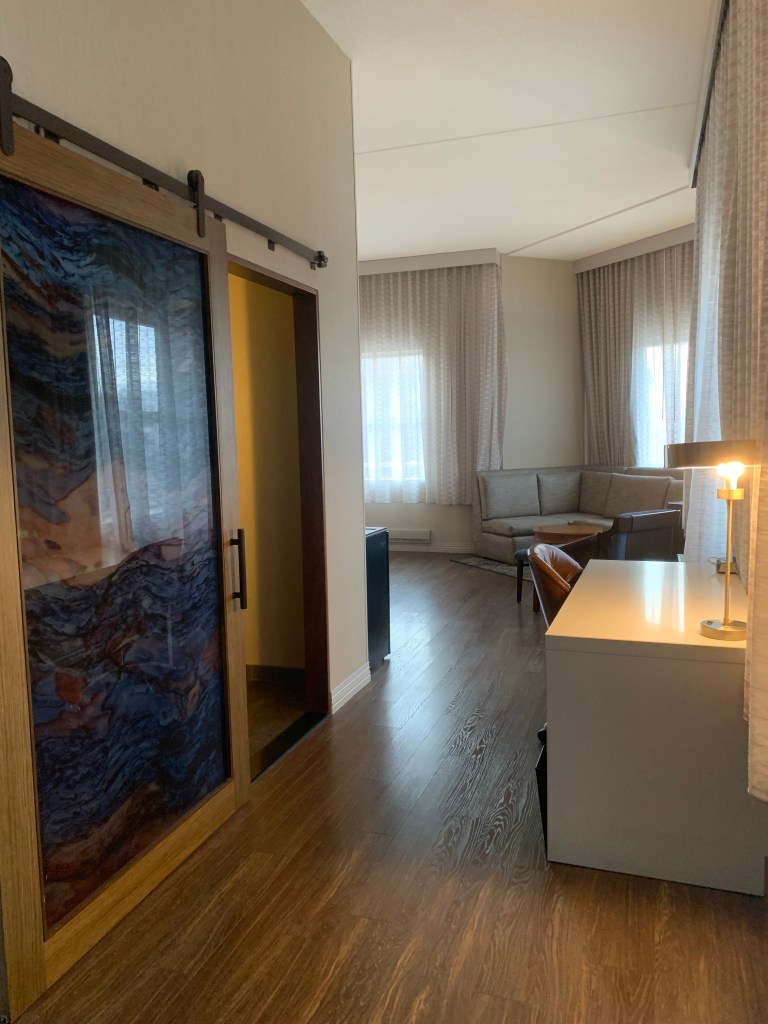
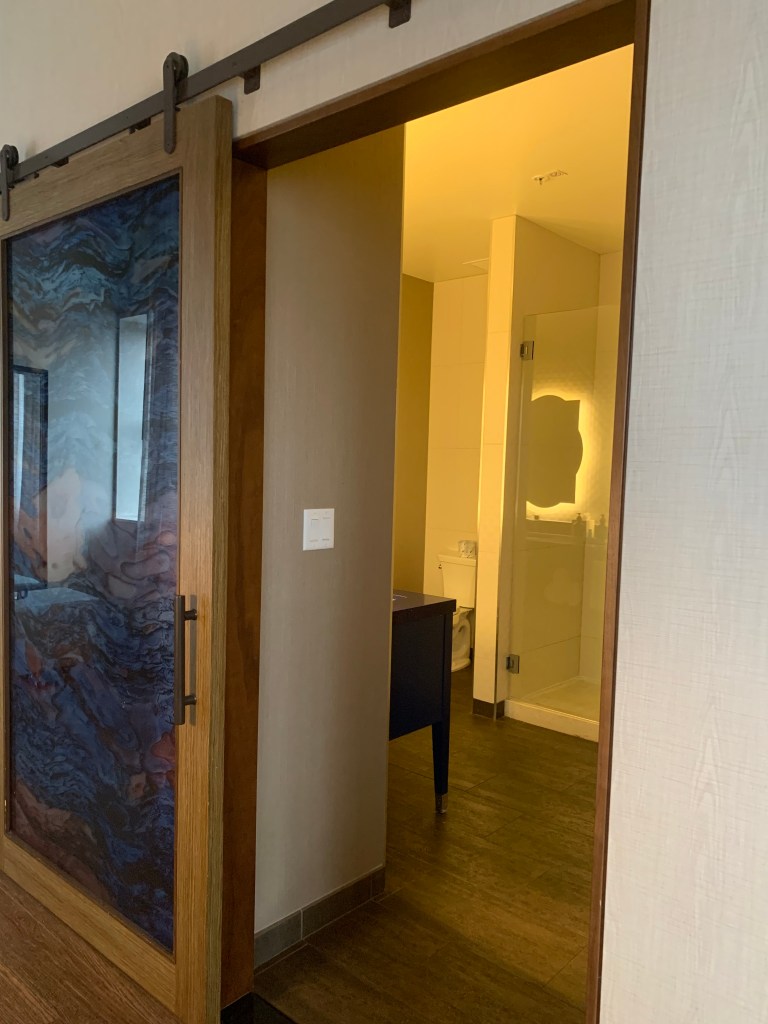
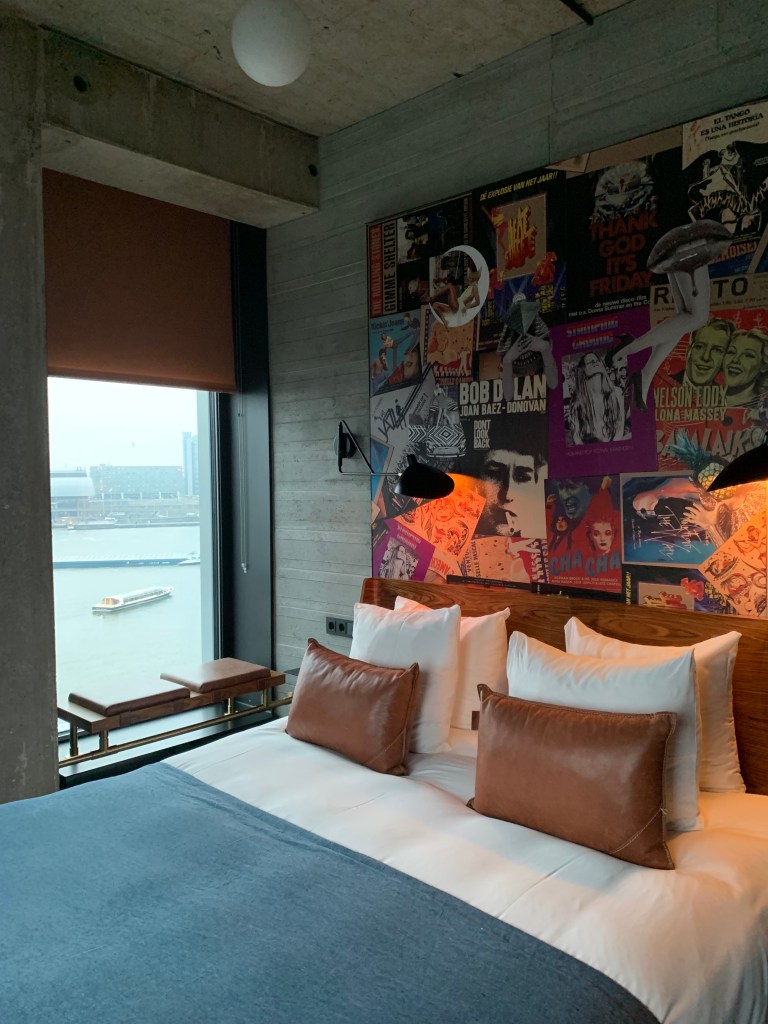
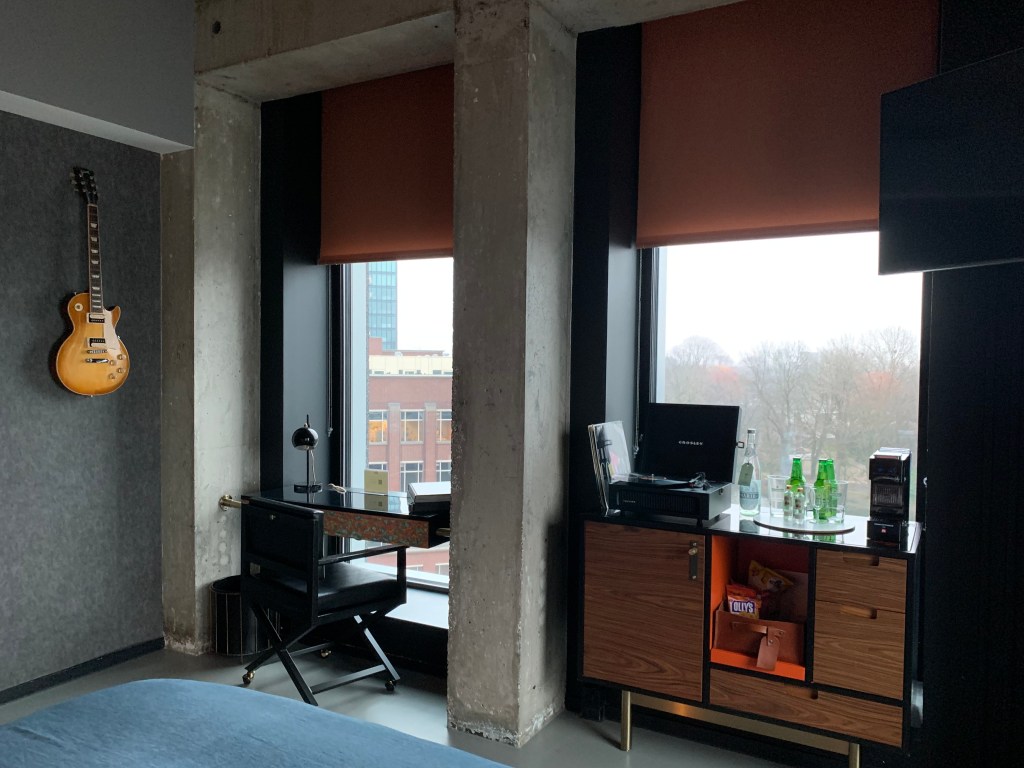
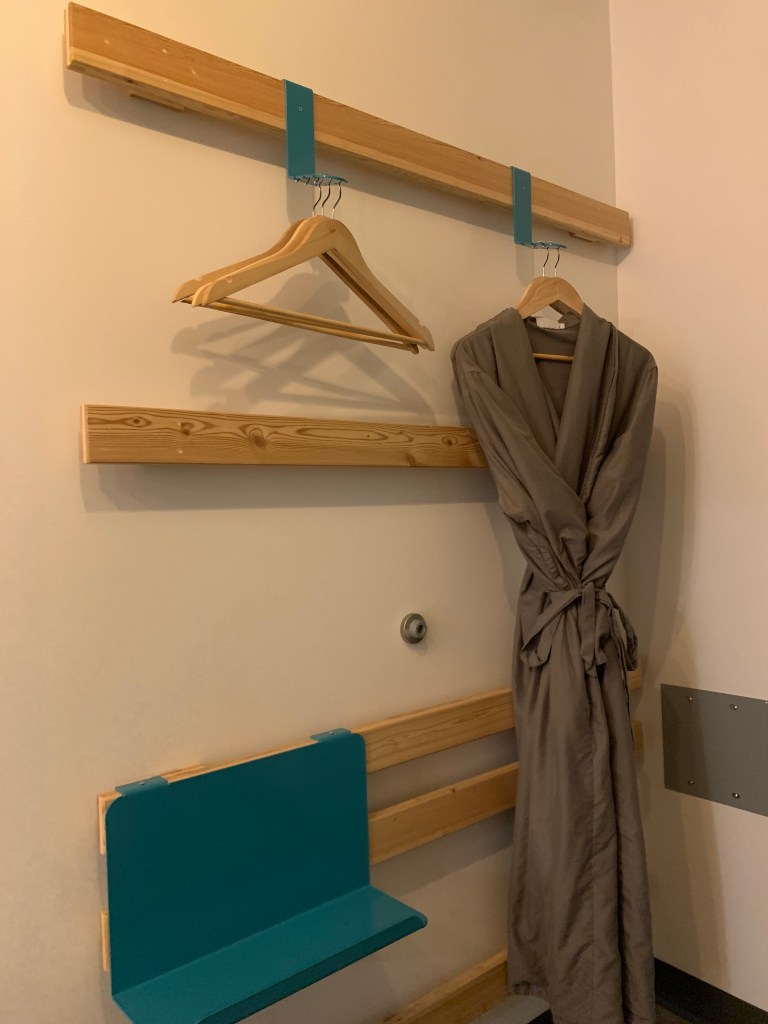
On the positive side, the room had a spacious, high-ceilinged, loft-like feel with original exposed steel beams and pillars. It was fun to see some of the structure of the building carrying through to the rooms. Ours had lots of places to sit — we weren’t there long enough to test them all out — and a wet bar (although the refrigerator and coffee maker were across the room, beneath the TV). We’re guessing some of the hotel’s rooms were designed for special-occasion stays where groups may want to gather. The sliding barn door to the bath was a nice touch, and the bath was large with double sinks and a sparkling, white-tiled shower. The room also had plenty of hooks, which are one of our favorite features and always handy for travelers.

We really liked the energy of the lobby space, so we decided to have dinner at the hotel restaurant, Missi’s Sip & Savor. The name may be a stretch as a play on words, but the bar service, drinks, and food well-exceeded our expectations. We sat at the bar, and the bartending team was skilled, friendly, and energetic, and everyone seemed genuinely eager to work with us to create some custom cocktails, which were outstanding and a great paring with our warm smoked walleye dip, chopped salad and ale-braised short ribs. Our experience at the bar made us think the hotel is the place to go for elevated dining in Hastings.

The Mississippi River was the primary transportation route into the Upper Midwest before the railroads made their way to Wisconsin and Minnesota, so many of the oldest towns are strung out along the riverways. Hastings has been able to preserve much of its historic main street (actually 2nd Street East) with some wonderful late nineteenth-century buildings. The street is lined with antique shops, and in between those, we found a few gift shops with local goods and a game store with every kind of game you could imagine. Visitors will also find a good selection of places to eat and drink, some with outdoor space looking over the river. And the residential streets clustered around downtown have quite a few houses of historic interest. We’ll surely return in summer to check out what we imagine to be a lively scene.

  • The Confluence Hotel, downtown Hastings, Minnesota
  • 1-night stay: January 20-21, 2024
  • King suite, #229

Back to HOTELLING home